

-
1 корпус пружины
Engineering: spring body, spring housing -
2 упругость
body, elasticity, flexibility, spring power, resilience, spring, springing, ( пара) tension* * *упру́гость ж.1. ( свойство тела восстанавливать форму и объём) elasticity2. ( пара) pressureупру́гость второ́го ро́да — elasticity of shearвя́зкая упру́гость — viscous elasticityупру́гость диссоциа́ции физ. — dissociation pressureзаме́дленная упру́гость — viscous elasticityупру́гость на изги́б — elasticity of flexure, transverse elasticityупру́гость на растяже́ние — elasticity of elongation, longitudinal elasticityупру́гость на сдвиг — elasticity of shearупру́гость на сжа́тие — elasticity of compressionупру́гость насы́щенного па́ра — saturated [saturation] vapour pressureобъё́мная упру́гость — bulk [cubic(al), volume] elasticity, compressibilityоста́точная упру́гость — residual elasticityупру́гость па́ра — vapour pressureупру́гость пе́рвого ро́да — elasticity of elongation, longitudinal elasticityупру́гость при круче́нии — torsional elasticityупру́гость при сжа́тии — elasticity of compressionупру́гость растворе́ния — solution tensionсоверше́нная упру́гость — perfect elasticityупру́гость фо́рмы — elasticity of formэлектри́ческая упру́гость — electric elasticity* * * -
3 agua
f.1 water.agua del grifo tap wateragua con hielo iced wateragua de lavanda lavender wateraguas menores urineagua mineral (sin gas/con gas) (still/sparkling) mineral wateragua oxigenada hydrogen peroxideagua potable drinking wateraguas residuales sewageagua salada salt wateraguas termales thermal spring watersaguas territoriales territorial watersagua de colonia eau de cologneagua corriente running wateragua destilada distilled wateragua dulce fresh wateragua embotellada bottled water2 slope.un tejado de dos aguas a ridged roofpres.indicat.3rd person singular (él/ella/ello) present indicative of spanish verb: aguar.imperat.2nd person singular (tú) Imperative of Spanish verb: aguar.* * *(Takes el in singular)1 water2 (lluvia) rain3 ARQUITECTURA slope of a roof1 (del mar, río) waters\claro como el agua crystal clearcomo agua de mayo a godsendcomo dos gotas de agua like two peas in a podestar con el agua al cuello figurado to be up to one's neck in itestar entre dos aguas to sit on the fencehacérsele la boca agua a uno figurado to make one's mouth waterhacerse una cosa agua en la boca to melt in one's mouthnunca digas de esta agua no beberé never say neverromper aguas to break watersagua bendita holy wateragua corriente running wateragua de colonia (eau de) cologneagua de lluvia rainwateragua de mar seawateragua del grifo tap wateragua dulce fresh wateragua mineral con gas sparkling mineral wateragua mineral sin gas still mineral wateragua oxigenada hydrogen peroxideagua potable drinking wateragua salada salt wateraguas jurisdiccionales territorial watersaguas residuales sewage singaguas termales thermal springs* * *noun f.- agua dulce
- agua mineral
- agua oxigenada
- aguas residuales* * *SF1) [para beber, lavar] waterdos aguas con gas y una sin gas, por favor — two sparkling mineral waters and one still one, please
ha sido un invierno de mucha agua — it's been a very wet winter, we've had a lot of rain this winter
¡hombre al agua! — man overboard!
•
lanzar un barco al agua — to launch a boat•
caer agua — to rain•
echarse al agua — (lit) to dive in; (fig) to take the plunge•
¡agua va! — look out!, careful!hacérsele la boca agua a algn Esp, hacérsele agua la boca a algn LAm —
se me hace la boca agua solo de pensar en la sopa — just thinking about the soup makes my mouth water, my mouth is watering just thinking about the soup
se le hace la boca agua de pensar en los beneficios — he's drooling at the thought of the profit he'll make
- cambiar el agua al canario o a las aceitunasla noticia fue recibida como agua de mayo en los mercados financieros — the news was welcomed with open arms on the financial markets
este dinero nos viene como agua de mayo — this money is a godsend, this money couldn't have come at a better time
- mear agua benditaagua (de) cuba — Chile bleach
agua de seltz — seltzer, soda (water), seltzer water (EEUU)
agua fuerte — nitric acid solution
agua (de) panela — Col, Ven hot lemon
claro, grabado, víaagua perra — Chile boiled water ( drunk for its cleansing properties)
3) CAm (=zumo) juice•
aguas abajo — downstream, downriver•
aguas arriba — upstream, upriver•
hacer aguas — [barco] to take in water; [explicación, teoría] to be full of holes, not to hold water; [relación, organización, proyecto] to founder•
romper aguas, rompió aguas camino del hospital — her waters broke on the way to the hospital•
tomar las aguas — to take the watersvolver las aguas a su cauce —
aguas mayores — euf faeces sing frm, feces sing (EEUU) frm
aguas menores — euf urine sing
5) pl aguas (=ondulación)a) [de piedra preciosa] veinsb) [de tejado] pitch, slopecubrir aguas — to put the roof on, top out
el diamante tenía unas aguas preciosas — the diamond sparkled beautifully, the diamond had a wonderful sparkle
* * *femenino‡1) wateragua de lluvia/mar — rainwater/seawater
bailarle el agua a alguien — ( adularlo) (Esp fam) to suck up to somebody (colloq)
cambiarle el agua a las aceitunas or al canario — (fam & hum) to take o have a leak (colloq & hum)
como agua para chocolate — (Méx fam) furious
hacer agua — embarcación to take in water; negocio/institución to founder
hacérsele agua la boca a alguien — (AmL)
se me hizo agua la boca — it made my mouth water
ha corrido or pasado mucha agua bajo el puente — a lot of water has flowed under the bridge since then
lo que por agua viene, por agua se va — (Col) easy come, easy go
más claro, échale or echarle agua — it's obvious
ser agua pasada — to be a thing of the past
sin decir agua va — without so much as a by-your-leave
venirle a alguien como agua de mayo — (Esp) to come just at the right moment
agua que no has de beber déjala correr — if you're not interested, don't spoil things for me/for other people
2) ( lluvia) rain3) (AmC, Andes)a) (fam) ( bebida gaseosa) soda (AmE), fizzy drink (BrE)b) ( infusión) herb tea (AmE), herbal tea (BrE)4) aguas femenino plurala) (de mar, río) waters (pl)estar or nadar entre dos aguas — to sit on the fence
volver las aguas a su cauce: una vez que las aguas vuelvan a su cauce — once things settle down o return to normal
b) (de balneario, manantial) waters (pl)5) aguas femenino plural (Fisiol) tb6) aguas femenino plural ( vertientes) slopetejado a dos aguas — gable o apex o saddle roof
* * *= water.Ex. We are thus concerned with a virtually limitless number of concepts - building, book, reading, colour, sea, water, summer, England, 1066 AD - any concepts you like.----* abastecimiento de agua = water supply.* absorción del agua = water absorption.* achicar agua = bale out + water, bail + water.* a cuatro aguas = hipped.* aerobics en el agua = water aerobics.* agua + arrastrar = wash away.* agua bendita = holy water.* agua caliente = hot water.* agua con gas = carbonated water.* agua con jabón = soapy water.* agua corriente = running water.* agua de colonia = eau de cologne.* agua del grifo = tap water.* agua de lluvia = rain water.* agua del mar = sea-water [seawater].* agua de manantial = spring water.* agua de mojado = fountain solution.* agua de riego = irrigation water.* agua destilada = distilled water.* agua dulce = freshwater [fresh water].* agua embotellada = bottled water.* agua en botella = bottled water.* agua estancada = stagnant backwater, backwater, stagnant water.* agua fría = cold water.* agua helada = ice water.* agua hirviendo = boiling water.* agua jabonosa = soapy water.* agua limpia de impurezas = purified water.* agua + llevar = wash away.* agua marina = sea-water [seawater].* agua mineral = mineral water, spring water.* agua normal = still water.* agua oxigenada = hydrogen peroxide.* agua poco profunda = shallow water.* agua potable = drinking water.* agua purificada = purified water.* aguas abajo = downstream.* agua salada = salt water [saltwater].* agua salobre = salt water [saltwater].* aguas arriba = upstream.* aguas bravas = whitewater, turbulent waters.* aguas costeras = coastal waters.* agua sin gas = still water.* aguas internacionales = international waters.* aguas jurisdiccionales = territorial waters, jurisdictional waters.* aguas litorales = coastal waters.* aguas mansas = still waters.* aguas negras = waste water [wastewater], sewage, sewerage.* aguas poco profundas = shallows.* aguas polares = polar waters.* aguas rápidas = whitewater, turbulent waters.* aguas residuales = sewage, waste water [wastewater], liquid waste, sewerage.* aguas residuales sin tratar = raw sewage, raw waste water.* aguas revueltas = rip, rip tide.* aguas sucias = foul water.* aguas templadas = temperate waters.* aguas termales = thermal springs.* aguas territoriales = territorial waters, territorial waters, home waters.* aguas tranquilas = still waters.* aguas turbias = muddy waters.* aguas turbulentas = rip tide, turbulent waters.* agua subterránea = groundwater.* aguas + volver a su cauce = dust + settle.* ahogarse en un vaso de agua = make + a mountain out of a molehill, get + worked up about nothing, fret about + nothing.* al agua = water-based, overboard.* bajo agua = undersea, underwater.* baños de agua caliente = hot springs.* barril con agua de beber = scuttlebutt.* bomba de agua = water pump.* bomba de agua caliente = heat-pump.* brazo de agua = inlet.* calentador de agua = water heater.* cama de agua = waterbed [water bed].* cambiarle el agua al canario = pee, take + a leak, have + a leak.* cañón de agua = water cannon.* caudal de agua = volume of water.* caudal de agua o superficie acuática = body of water.* causado por el agua = water-related.* cloración del agua = water chlorination.* cocodrilo de agua salada = saltie.* colchón de agua = waterbed [water bed].* como dos gotas de agua = as alike as two peas in a pod, like two peas in a pod.* como pez fuera del agua = like a fish out of water.* compañía suministradora de agua = water authority, water board, water company.* con el agua al cuello = in hot water.* con el agua hasta el cuello = in deep water.* conservar agua = conserve + water.* contador del agua = water meter.* contaminación del agua = water pollution.* contaminación de las aguas subterráneas = groundwater pollution, groundwater contamination.* con tejado a dos aguas = gabled.* corriente de agua = water body [waterbody].* cortar el agua = cut off + the water.* cuando el río, suena agua lleva = there's no smoke without fire, where there's smoke there's fire.* curso de agua = water body [waterbody].* daño causado por el agua = water damage.* dar agua = lose + water, leak.* de agua = water-based.* de aguas profundas = deep-sea.* dejar el agua correr = let bygones be bygones.* depósito de agua elevado = water tower.* descenso de aguas bravas = rafting.* deslizarse sobre el agua = aquaplane.* detector de agua = water detector.* diluir con agua = dilute with + water.* empleado de la compañía suministradora de agua = water board engineer.* escape de agua = water leakage, water leak.* escasez de agua = water shortage.* factura de electricidad, agua o gas = utility bill.* falta de agua = water shortage.* falto de agua = waterless.* flor que echa un chorro de agua = squirting flower.* fuente de agua = drinking fountain, water fountain, bubbler.* fuga de agua = water leakage, water leak.* gato escaldado del agua fría huye = once bitten, twice shy.* gestión de aguas = water management.* hacer agua = Negativo + hold + water.* hacer agua(s) = spring + a leak.* hacerse la boca agua = make + Posesivo + mouth water.* hervidora eléctrica de agua = electric kettle.* hervidor de agua = kettle.* hervir agua = boil + water.* hilo de agua = trickle.* impulsado por el agua = water-powered.* jarro de agua fría = slap in the face.* lavar con agua = rinse off.* lavar con agua abudante = sluice.* limpiar con agua = wash away.* línea de agua, la = water line, the.* llave de paso del agua = water valve.* llevarse el gato al agua = steal + the show, steal + the limelight, the nod + go to.* manta de agua = downpour, rainstorm, pelting rain, soaking rain.* marca de agua = watermark.* marcas de agua = watermarking.* marcas de agua digitales = digital watermarking.* más claro el agua = as clear as a bell.* más claro que el agua = as clear as a bell.* molino de agua = water mill.* nadar entre dos aguas = sit on + the fence, fall between + two stools.* nivel del agua = water level.* nivel máximo del agua = high-water mark.* nivel mínimo del agua = low-water mark.* orilla del agua = water's edge.* pecina de las aguas residuales = sewage sludge.* perder agua = lose + water, leak.* pez de agua dulce = freshwater fish.* pila del agua bendita = holy water font.* pintura al agua = gouache, water-based paint.* planta de tratamiento de aguas residuales = sewage plant, sewage treatment plant.* que da agua = leaking, leaky [leakier -comp., leakiest -sup].* que el agua disuelve = water-fugitive.* que hace la boca agua = mouth-watering.* que no absorbe el agua o la humedad = non-hygroscopic.* que pierde agua = leaking, leaky [leakier -comp., leakiest -sup].* red de agua potable = water mains.* red de agua potable, la = mains, the.* red de suministro de agua potable, la = water mains, mains, the.* reservas de agua subterránea = groundwater reservoir.* resistente al agua = water resistant.* restricciones de agua = water restrictions.* ron con agua = grog.* salto de agua = waterfall, fall.* seda formando aguas = watered silk.* sentirse como pez en el agua = take to + Nombre + like ducks to water.* ser una raya en el agua = be good for nothing.* sin agua = waterless.* sistema de abastecimiento de agua = waterworks.* sistema de circulación del agua = water circulation system.* sistema de extinción de incendios mediante rociadores de agua = water sprinkler fire extinguishing system.* sistema de rociadores de agua = sprinkler system, water sprinkler system.* tan claro como el agua = as clear as a bell.* tejado a cuatro aguas = hip roof, hipped roof.* tetera para hervir agua = kettle.* tortuga de agua dulce = terrapin.* transmitido por el agua = waterborne.* transportado por el agua = waterborne.* tratamiento de aguas residuales = sewage treatment, sewage disposal, waste water treatment.* tratamiento del agua = water treatment.* tromba de agua = pelting rain, downpour, waterspout, soaking rain.* una tormenta en un vaso de agua = a tempest in a teapot.* vapor de agua = water vapour.* volumen de agua = volume of water.* * *femenino‡1) wateragua de lluvia/mar — rainwater/seawater
bailarle el agua a alguien — ( adularlo) (Esp fam) to suck up to somebody (colloq)
cambiarle el agua a las aceitunas or al canario — (fam & hum) to take o have a leak (colloq & hum)
como agua para chocolate — (Méx fam) furious
hacer agua — embarcación to take in water; negocio/institución to founder
hacérsele agua la boca a alguien — (AmL)
se me hizo agua la boca — it made my mouth water
ha corrido or pasado mucha agua bajo el puente — a lot of water has flowed under the bridge since then
lo que por agua viene, por agua se va — (Col) easy come, easy go
más claro, échale or echarle agua — it's obvious
ser agua pasada — to be a thing of the past
sin decir agua va — without so much as a by-your-leave
venirle a alguien como agua de mayo — (Esp) to come just at the right moment
agua que no has de beber déjala correr — if you're not interested, don't spoil things for me/for other people
2) ( lluvia) rain3) (AmC, Andes)a) (fam) ( bebida gaseosa) soda (AmE), fizzy drink (BrE)b) ( infusión) herb tea (AmE), herbal tea (BrE)4) aguas femenino plurala) (de mar, río) waters (pl)estar or nadar entre dos aguas — to sit on the fence
volver las aguas a su cauce: una vez que las aguas vuelvan a su cauce — once things settle down o return to normal
b) (de balneario, manantial) waters (pl)5) aguas femenino plural (Fisiol) tb6) aguas femenino plural ( vertientes) slopetejado a dos aguas — gable o apex o saddle roof
* * *= water.Ex: We are thus concerned with a virtually limitless number of concepts - building, book, reading, colour, sea, water, summer, England, 1066 AD - any concepts you like.
* abastecimiento de agua = water supply.* absorción del agua = water absorption.* achicar agua = bale out + water, bail + water.* a cuatro aguas = hipped.* aerobics en el agua = water aerobics.* agua + arrastrar = wash away.* agua bendita = holy water.* agua caliente = hot water.* agua con gas = carbonated water.* agua con jabón = soapy water.* agua corriente = running water.* agua de colonia = eau de cologne.* agua del grifo = tap water.* agua de lluvia = rain water.* agua del mar = sea-water [seawater].* agua de manantial = spring water.* agua de mojado = fountain solution.* agua de riego = irrigation water.* agua destilada = distilled water.* agua dulce = freshwater [fresh water].* agua embotellada = bottled water.* agua en botella = bottled water.* agua estancada = stagnant backwater, backwater, stagnant water.* agua fría = cold water.* agua helada = ice water.* agua hirviendo = boiling water.* agua jabonosa = soapy water.* agua limpia de impurezas = purified water.* agua + llevar = wash away.* agua marina = sea-water [seawater].* agua mineral = mineral water, spring water.* agua normal = still water.* agua oxigenada = hydrogen peroxide.* agua poco profunda = shallow water.* agua potable = drinking water.* agua purificada = purified water.* aguas abajo = downstream.* agua salada = salt water [saltwater].* agua salobre = salt water [saltwater].* aguas arriba = upstream.* aguas bravas = whitewater, turbulent waters.* aguas costeras = coastal waters.* agua sin gas = still water.* aguas internacionales = international waters.* aguas jurisdiccionales = territorial waters, jurisdictional waters.* aguas litorales = coastal waters.* aguas mansas = still waters.* aguas negras = waste water [wastewater], sewage, sewerage.* aguas poco profundas = shallows.* aguas polares = polar waters.* aguas rápidas = whitewater, turbulent waters.* aguas residuales = sewage, waste water [wastewater], liquid waste, sewerage.* aguas residuales sin tratar = raw sewage, raw waste water.* aguas revueltas = rip, rip tide.* aguas sucias = foul water.* aguas templadas = temperate waters.* aguas termales = thermal springs.* aguas territoriales = territorial waters, territorial waters, home waters.* aguas tranquilas = still waters.* aguas turbias = muddy waters.* aguas turbulentas = rip tide, turbulent waters.* agua subterránea = groundwater.* aguas + volver a su cauce = dust + settle.* ahogarse en un vaso de agua = make + a mountain out of a molehill, get + worked up about nothing, fret about + nothing.* al agua = water-based, overboard.* bajo agua = undersea, underwater.* baños de agua caliente = hot springs.* barril con agua de beber = scuttlebutt.* bomba de agua = water pump.* bomba de agua caliente = heat-pump.* brazo de agua = inlet.* calentador de agua = water heater.* cama de agua = waterbed [water bed].* cambiarle el agua al canario = pee, take + a leak, have + a leak.* cañón de agua = water cannon.* caudal de agua = volume of water.* caudal de agua o superficie acuática = body of water.* causado por el agua = water-related.* cloración del agua = water chlorination.* cocodrilo de agua salada = saltie.* colchón de agua = waterbed [water bed].* como dos gotas de agua = as alike as two peas in a pod, like two peas in a pod.* como pez fuera del agua = like a fish out of water.* compañía suministradora de agua = water authority, water board, water company.* con el agua al cuello = in hot water.* con el agua hasta el cuello = in deep water.* conservar agua = conserve + water.* contador del agua = water meter.* contaminación del agua = water pollution.* contaminación de las aguas subterráneas = groundwater pollution, groundwater contamination.* con tejado a dos aguas = gabled.* corriente de agua = water body [waterbody].* cortar el agua = cut off + the water.* cuando el río, suena agua lleva = there's no smoke without fire, where there's smoke there's fire.* curso de agua = water body [waterbody].* daño causado por el agua = water damage.* dar agua = lose + water, leak.* de agua = water-based.* de aguas profundas = deep-sea.* dejar el agua correr = let bygones be bygones.* depósito de agua elevado = water tower.* descenso de aguas bravas = rafting.* deslizarse sobre el agua = aquaplane.* detector de agua = water detector.* diluir con agua = dilute with + water.* empleado de la compañía suministradora de agua = water board engineer.* escape de agua = water leakage, water leak.* escasez de agua = water shortage.* factura de electricidad, agua o gas = utility bill.* falta de agua = water shortage.* falto de agua = waterless.* flor que echa un chorro de agua = squirting flower.* fuente de agua = drinking fountain, water fountain, bubbler.* fuga de agua = water leakage, water leak.* gato escaldado del agua fría huye = once bitten, twice shy.* gestión de aguas = water management.* hacer agua = Negativo + hold + water.* hacer agua(s) = spring + a leak.* hacerse la boca agua = make + Posesivo + mouth water.* hervidora eléctrica de agua = electric kettle.* hervidor de agua = kettle.* hervir agua = boil + water.* hilo de agua = trickle.* impulsado por el agua = water-powered.* jarro de agua fría = slap in the face.* lavar con agua = rinse off.* lavar con agua abudante = sluice.* limpiar con agua = wash away.* línea de agua, la = water line, the.* llave de paso del agua = water valve.* llevarse el gato al agua = steal + the show, steal + the limelight, the nod + go to.* manta de agua = downpour, rainstorm, pelting rain, soaking rain.* marca de agua = watermark.* marcas de agua = watermarking.* marcas de agua digitales = digital watermarking.* más claro el agua = as clear as a bell.* más claro que el agua = as clear as a bell.* molino de agua = water mill.* nadar entre dos aguas = sit on + the fence, fall between + two stools.* nivel del agua = water level.* nivel máximo del agua = high-water mark.* nivel mínimo del agua = low-water mark.* orilla del agua = water's edge.* pecina de las aguas residuales = sewage sludge.* perder agua = lose + water, leak.* pez de agua dulce = freshwater fish.* pila del agua bendita = holy water font.* pintura al agua = gouache, water-based paint.* planta de tratamiento de aguas residuales = sewage plant, sewage treatment plant.* que da agua = leaking, leaky [leakier -comp., leakiest -sup].* que el agua disuelve = water-fugitive.* que hace la boca agua = mouth-watering.* que no absorbe el agua o la humedad = non-hygroscopic.* que pierde agua = leaking, leaky [leakier -comp., leakiest -sup].* red de agua potable = water mains.* red de agua potable, la = mains, the.* red de suministro de agua potable, la = water mains, mains, the.* reservas de agua subterránea = groundwater reservoir.* resistente al agua = water resistant.* restricciones de agua = water restrictions.* ron con agua = grog.* salto de agua = waterfall, fall.* seda formando aguas = watered silk.* sentirse como pez en el agua = take to + Nombre + like ducks to water.* ser una raya en el agua = be good for nothing.* sin agua = waterless.* sistema de abastecimiento de agua = waterworks.* sistema de circulación del agua = water circulation system.* sistema de extinción de incendios mediante rociadores de agua = water sprinkler fire extinguishing system.* sistema de rociadores de agua = sprinkler system, water sprinkler system.* tan claro como el agua = as clear as a bell.* tejado a cuatro aguas = hip roof, hipped roof.* tetera para hervir agua = kettle.* tortuga de agua dulce = terrapin.* transmitido por el agua = waterborne.* transportado por el agua = waterborne.* tratamiento de aguas residuales = sewage treatment, sewage disposal, waste water treatment.* tratamiento del agua = water treatment.* tromba de agua = pelting rain, downpour, waterspout, soaking rain.* una tormenta en un vaso de agua = a tempest in a teapot.* vapor de agua = water vapour.* volumen de agua = volume of water.* * *f‡A wateresta agua no es potable this isn't drinking wateragua de la llave or ( Esp) del grifo or ( RPl) de la canilla or ( Per) del caño or (AmC, Ven) del chorro tap wateragua de lluvia rainwateragua de mar seawaternos han cortado el agua our water's been cut offbailarle el agua a algn ( Esp fam) (adularlo) to suck up to sb ( colloq); ( Méx fam) (coquetearle) to give sb the come-on ( colloq)lo supo de primera agua he got it straight from the horse's mouthestar con el agua al cuello (en un aprieto) to be up to one's neck in problems ( colloq) (muy apurado) to be up to one's eyes in workestar más claro que el agua to be as plain as day, be (patently) obvious, be as plain as the nose on your face ( colloq)no pienso hacerle más favores, eso está más claro que el agua I'm not doing him any more favors, that's for surehacer agua «embarcación» to take in water;«negocio/institución» to founderla teoría hace agua por todos lados the theory doesn't hold water at all, the theory has a lot of flawsha corrido or pasado mucha agua bajo el puente a lot of water has flowed under the bridge since thenllevar el agua a su molino to turn things to one's advantagelo que por agua viene, por agua se va ( Col); easy come, easy gomás claro, échale or echarle agua it's as plain as day, it's obvious, it's as plain as the nose on your face ( colloq)quedar en agua de borrajas to come to nothinghabía interés pero todo quedó en agua de borrajas there was some interest but nothing came of it o but it all came to nothingsacar agua de las piedras to make something out of nothingser agua pasada: olvídalo, ya es agua pasada forget it, that's water under the bridgesu amor por él ya es agua pasada her love for him is a thing of the pastsin decir agua va without so much as a by-your-leavevenirle a algn como agua de mayo ( Esp): este dinero me viene como agua de mayo this money is a real godsend o has come just at the right momentagua pasada no mueve molino it's no use crying over spilt milkagua que no has de beber déjala correr if you're not interested, don't spoil things for me/for other peoplealgo tendrá el agua cuando la bendicen (refiriéndose a una persona) there must be something about him/her; (refiriéndose a una cosa) there must be something in itdel agua mansa líbreme Dios que de la brava me libro yo still waters run deepnunca digas de esta agua no beberé you never know when the same thing might happen to youCompuestos:holy watersoft waterrunning waterbarley watereau de cologne( Chi) bleachrun-off rainwater● agua de espliego or de lavandalavender waterrain watersea waterrosewatersoda (water), seltzer (water) ( AmE)distilled waterfresh waterun pescado de agua dulce a freshwater fishhard wateraqua fortis, nitric acid● agua Jane®(Ur) bleachmineral wateragua mineral con gas sparkling o carbonated mineral water, fizzy water ( BrE)agua mineral sin gas still mineral waterperoxide, hydrogen peroxide ( tech)heavy waterdrinking wateraqua regiasalt waterfpl baptismal watersfpl sewagefpl rainwaterfpl sewagefpl (CS) sewagetonic waterB (lluvia) rainCompuesto:sleetC (AmC, Andes)2 (infusión) tea, infusion ( frml)tómate un agüita para el dolor de estómago have an herb ( AmE) o ( BrE) herbal tea for your stomachachese tomó un agua de menta she had a cup of mint tealos derechos de pesca en estas aguas fishing rights in these watersla zona bañada por las aguas del Nilo the area through which the waters of the Nile flowestar or nadar entre dos aguas to sit on the fencelos últimos esfuerzos para atraer a los votantes que están entre dos aguas the last-minute efforts to pick up the votes of those who are still undecidedvolver las aguas a su cauce: una vez que las aguas vuelvan a su cauce hablaremos del asunto we'll talk the matter over once things settle down o return to normal2 (de balneario, manantial) waters (pl)tomar las aguas to take the watersCompuestos:fpl territorial waters (pl)fpl coastal watersfpl ground waterfpl surface waterfpl thermal waters (pl)fpl territorial waters (pl)(reflejos): una tela brillante y con aguas a shiny, watered fabricun topacio con hermosas aguas a sparkling topaztb aguas amnióticas amniotic fluidrompió aguas her waters brokeCompuestos:( euf)( euf)tejado a dos aguas gable o apex o saddle roofcubrir aguas to put the roof on* * *
Del verbo aguar: ( conjugate aguar)
agua es:
3ª persona singular (él/ella/usted) presente indicativo2ª persona singular (tú) imperativo
Multiple Entries:
agua
aguar
agua feminine noun taking masculine article in the singular
1 water;◊ agua de lluvia/mar rainwater/seawater;
agua corriente/destilada running/distilled water;
agua de colonia eau de cologne;
agua dulce fresh water;
agua mineral mineral water;
agua mineral con gas/sin gas sparkling/still mineral water;
agua oxigenada peroxide, hydrogen peroxide (tech);
agua potable/salada drinking/salt water;
como agua para chocolate (Méx fam) furious;
estar con el agua al cuello to be up to one's neck;
estar más claro que el agua to be (patently) obvious;
hacérsele agua la boca a algn (AmL): se me hizo agua la boca it made my mouth water;
ser agua pasada to be a thing of the past;
agua que no has de beber déjala correr if you're not interested, don't spoil things for me/for other people;
nunca digas de esta agua no beberé you never know when the same thing might happen to you
2 ( lluvia) rain
3 (AmC, Andes) ( infusión) herb tea (AmE), herbal tea (BrE);
4◊ aguas sustantivo femenino plural
aguar ( conjugate aguar) verbo transitivo
aguarse verbo pronominal (fam) to be spoiled
agua sustantivo femenino water
agua bendita, holy water
agua corriente, running water
agua dulce, fresh water
agua mineral, mineral water
agua oxigenada, hydrogen peroxide
agua potable, drinking water
agua salada, salt water
aguas jurisdiccionales, territorial waters
aguas residuales, sewage sing
♦ Locuciones: figurado estar con el a. al cuello, to be up to one's neck in it
aguar verbo transitivo
1 to water down
2 (frustar, estropear) to spoil
♦ Locuciones: figurado aguar la fiesta a alguien, to spoil sb's fun
' agua' also found in these entries:
Spanish:
abastecimiento
- achicar
- acometida
- acrecentar
- actuar
- aguatera
- aguatero
- ahogarse
- ajo
- apercibirse
- badén
- bailar
- bañar
- barro
- bautizar
- boca
- bomba
- bombear
- borraja
- bota
- brote
- buscar
- caída
- caliza
- calizo
- cangrejo
- chorro
- cobrador
- cobradora
- colonia
- columna
- concienciar
- conducción
- confluir
- consistente
- corriente
- corte
- dar
- depurar
- dimanar
- dulce
- echar
- empañar
- enchufar
- enturbiar
- escorrentía
- escurrirse
- estancar
- estancada
- estancado
English:
bitten
- board
- bob
- boil
- bring
- canteen
- churn
- clear
- coastguard
- cologne
- come up to
- conserve
- contaminate
- crystal-clear
- cut off
- dam
- dam up
- deluge
- dilute
- disconnect
- dishwater
- distil
- distill
- dive
- drain
- dredge up
- drinking
- eau de Cologne
- edge
- element
- emulsion paint
- escape
- expanse
- fizzy
- flounder
- font
- forced
- foul
- fresh
- freshwater
- geyser
- glass
- glassy
- godsend
- gush
- hard
- heave
- hot-water bottle
- ice over
- ice up
* * *1. [líquido] wateragua de azahar = drink made with orange blossom, used as a mild sedative;aguas bautismales baptismal waters;agua bendita holy water;agua blanda soft water;RP agua de la canilla tap water;agua de coco coconut milk;agua de colonia eau de Cologne;agua corriente running water;agua destilada distilled water;agua dulce fresh water;agua dura hard water;agua embotellada bottled water;Méx aguas frescas fresh fruit drinks;agua fuerte nitric acid;agua del grifo tap water;Chile, Col, Méx agua de la llave tap water;agua de lluvia rainwater;Euf aguas mayores faeces;agua medicinal water with medicinal properties;Euf aguas menores urine;agua de mesa bottled water, table water;Fam Dep agua milagrosa ≈ magic sponge;agua mineral mineral water;Cuba [agua con gas] sparkling mineral water;agua mineral con gas sparkling mineral water;agua mineral sin gas still mineral water;Cuba agua natural still mineral water;aguas negras sewage;agua nieve sleet;está cayendo agua nieve it's sleeting;agua de nieve melt-water;agua oxigenada hydrogen peroxide;agua pesada heavy water;agua pluvial rainwater;agua potable drinking water;Quím agua regia aqua regia;aguas residuales sewage;agua de rosas rose-water;agua salada salt water;agua salobre salt water;agua de Seltz Seltzer (water);Am aguas servidas sewage;agua subterránea groundwater;aguas superficiales surface water;agua tónica tonic water;Esp agua de Valencia = cocktail of champagne, orange juice and Cointreau2.aguas [de río, mar] waters;aguas arriba/abajo upstream/downstreamaguas bravas white water;aguas continentales inland o continental waters;aguas costeras coastal waters;aguas jurisdiccionales territorial waters;aguas territoriales territorial waters3. [lluvia] rain;ha caído mucha agua there has been a lot of rain4. [grieta en barco] leak;hacer agua [barca] to leak;[negocio] to go under;este negocio hace agua por todas partes this firm is on the point of going undertomar las aguas to take the watersaguas termales thermal o hot springs6. [vertiente de tejado] slope;un tejado de dos aguas a ridged roof;cubrir aguas to put the roof onha roto aguas her waters have broken8.aguas [en diamante, tela] water10. CompFam¡al agua, patos! [en piscina] in you jump!;Fambailarle el agua a alguien to lick sb's boots;Famcambiar el agua al canario to take a leak;claro como el agua as clear as day;más claro, agua nothing can be clearer than that;Méx Famcomo agua para chocolate hopping mad, fizzing;echar agua al mar to carry coals to Newcastle;entre dos aguas in doubt, undecided;estar con el agua al cuello to be up to one's neck (in it);hacerse agua en la boca to melt in one's mouth;se me hace la boca agua it makes my mouth water;se me hizo la boca agua al ver el pastel when I saw the cake, my mouth started watering;nadar entre dos aguas to sit on the fence;quedar en agua de borrajas to come to nothing;sacar agua de las piedras to make something out of nothing;sin decir agua va ni agua viene suddenly, unexpectedly;venir como agua de mayo to be a godsend;las aguas volvieron a su cauce things got back to normal;no digas nunca de esta agua no beberé you should never say never;agua pasada no mueve molino it's no use crying over spilt milk♦ interjMéx Fam¡aguas! look o watch out!, careful!* * *f1 water;claro como el agua obvious, as plain as day;como agua de mayo a godsend;te ha estado esperando como agua de mayo he’s been longing to see you;es agua pasada it’s water under the bridge;ha corrido mucha agua a lot of water has flowed under the bridge since then;estar como agua para el chocolate Méx fam be fuming, be hopping mad fam ;hacer agua MAR take in water, have a leak;llevar agua al mar be a waste of time, Br tb carry coals to Newcastle;se me hace la boca agua it makes my mouth water2:aguas pl waters;aguas abajo dowstream;aguas arriba upstream;hacer aguas mayores defecate, move one’s bowels;hacer aguas menores urinate, pass water;las aguas vuelven a su cauce fig things are getting back to normal;rompió aguas her waters broke;tomar las aguas take the waters* * *agua nf1) : water2)agua oxigenada : hydrogen peroxide3)aguas negras or aguas residuales : sewage4)como agua para chocolate Mex fam : furious5)echar aguas Mex fam : to keep an eye out, to be on the lookout* * *agua n water -
4 muelle
adj.1 easy, comfortable (vida).2 soft, bland, fluffy, attenuated.3 easy-going, easy.m.1 spring (resorte).2 dock, quay.3 box spring.* * *► adjetivo1 (vida) cushy2 (blando) soft, springy1 (elástico) spring\colchón de muelles spring mattress————————* * *noun m.1) dock, wharf2) spring* * *I1.SM (=resorte) spring2. ADJ1) (=blando) soft; (=delicado) delicate; (=elástico) springy, bouncy2) [vida] soft, easyIISM1) (Náut) (=puerto) wharf, quay; (=malecón) piermuelle de atraque — (Náut) mooring quay; (Aer) docking bay
2) (Ferro) (tb: muelle de carga) loading bay* * *Iadjetivo comfortableII1)a) (Náut) ( saliente) pier, mole; (rústico, más pequeño) jetty; ( sobre la costa) quay, wharfb) (Ferr) freight platform; ( para camiones) loading bay2) ( resorte) spring•* * *= spring, wharf [wharves, -pl.], dock, pier.Ex. There is a film on the camera for a hundred exposures, and the spring for operating its shutter and shifting its film is wound once for all when the film is inserted.Ex. Entries beginning with a place name may have corporate body, subject, or geographical qualifiers: London -- London wharves.Ex. It is a project that has been incubating since he lost the space for his privately run museum in Gloucester docks two years ago.Ex. Finally, the upkeep of these bridges was a massive task requiring the constant removal of sediment from river beds, piers and abutments.----* industria de la fabricación de muelles, la = spring industry, the.* muelle de carga = loading dock, loading bay.* muelle de juguete = slinky.* que se cierra automáticamente mediante un muelle = spring-loaded.* * *Iadjetivo comfortableII1)a) (Náut) ( saliente) pier, mole; (rústico, más pequeño) jetty; ( sobre la costa) quay, wharfb) (Ferr) freight platform; ( para camiones) loading bay2) ( resorte) spring•* * *= spring, wharf [wharves, -pl.], dock, pier.Ex: There is a film on the camera for a hundred exposures, and the spring for operating its shutter and shifting its film is wound once for all when the film is inserted.
Ex: Entries beginning with a place name may have corporate body, subject, or geographical qualifiers: London -- London wharves.Ex: It is a project that has been incubating since he lost the space for his privately run museum in Gloucester docks two years ago.Ex: Finally, the upkeep of these bridges was a massive task requiring the constant removal of sediment from river beds, piers and abutments.* industria de la fabricación de muelles, la = spring industry, the.* muelle de carga = loading dock, loading bay.* muelle de juguete = slinky.* que se cierra automáticamente mediante un muelle = spring-loaded.* * *1 ‹sillón/almohadón› comfortable2 ‹vida› comfortable, easyA2 ( Ferr) freight platform; (para camiones) loading bayB (resorte) springCompuestos:coil springmainspring* * *
muelle sustantivo masculino
1 (Náut) ( saliente) pier, mole;
(rústico, más pequeño) jetty;
( sobre la costa) quay, wharf
2 ( resorte) spring
muelle 1 sustantivo masculino spring
muelle 2 m Náut dock
' muelle' also found in these entries:
Spanish:
ceder
- espiral
- resorte
English:
bay
- dock
- loading
- pier
- quay(side)
- spring
- switchblade
- wave off
- wharf
- quay
* * *♦ adj1. [asiento] comfortable2. [vida] easy, comfortable♦ nm1. [resorte] spring2. [en puerto] dock, quay;[en el río] wharf3. [de carga y descarga] loading zone o Br baymuelle de carga loading platform* * *m1 TÉC spring2 MAR wharf* * *muelle adj: soft, comfortable, easymuelle nm1) : wharf, dock2) resorte: spring* * *muelle n1. (en el puerto) dock2. (pieza elástica) spring -
5 главен
chief, main, principal, primary, major, head (attr.)тех. middleглавен водопровод/газопровод/електропровод mainглавен вход a main entranceглавен герой a chief/principal character, protagonistглавен готвач chef, head cookглавен градинар head gardenerглавен директор director-generalглавен инженер chief/head engineerглавен интендант quarter-masterглавен келнер head-waiterглавен корен бот. tap-rootглавен лекар head physician, воен. chief medical officerглавен помощник chief assistantглавен предмет main subjectам. major/(на разговор и пр.) a staple topic of conversationглавен принцип a main/leading principleглавен проводник ел. leadглавен продукт stapleглавен път highwayглавен редактор editor-in-chiefглавен свидетел a star witnessглавен секретар secretary generalглавен счетоводител accountant generalглавен удар воен. main attack/blowглавен учител headmasterглавен филм a feature filmразг. capс главни букви in capitals, разг. in capsглавна врата a main doorглавна гара a main/central stationглавна грижа prime preoccupationглавна задача a main taskглавна квартира воен. headquartersглавна счетоводна книга ledgerглавна подбуда a primary motiveглавна причина a main/an efficient/a root causeглавна пружина master-springглавна работа primary businessглавна роля a principal/leading/star part; leadв главната роля Х starring Хглавна тема a main theme, stapleглавна точка a principal/main pointглавна страст a ruling passionглавна улица a main street, ( в по-мальк град) a high streetглавна храна a staple foodглавната част (на съчинение) the body (of a work)главно изречение? рам. a principal/main clauseглавно управление a central board/administration, a head officeглавно ядене a principle meatглавни градове main cities, principle townsглавни линия на развитие main lines of developmentглавни (най-важни) подробности high-lightsглавни сили воен. main body/forceглавното сьщ. the chief/main/essential thingглавният the boss, the one who runs the show.hired, engaged* * *гла̀вен,прил., -на, -но, -ни 1. chief, main, principal, primary, major, head (attr.); техн. middle; в \главенната роля Х starring X; \главенен водопровод/газопровод/електропровод main; \главенен вход main entrance; \главенен герой chief/principal character, protagonist; \главенен готвач chef, head cook; \главенен градинар head gardener; \главенен директор director-general; \главенен инженер chief/head engineer; \главенен интендант quarter-master; \главенен келнер head-waiter; \главенен корен бот. tap-root; \главенен лекар head physician, воен. chief medical officer; \главенен помощник chief assistant; \главенен предмет main subject; амер. major/(на разговор и пр.) staple topic of conversation; \главенен принцип main/leading principle; \главенен проводник ел. lead; \главенен продукт staple; \главенен прокурор chief public prosecutor; \главенен път highway; \главенен редактор editor-in-chief; \главенен свидетел a star witness; \главенен секретар secretary general; \главенен счетоводител accountant general; \главенен удар воен. main attack/blow; \главенен учител head-master; \главенен филм feature film; \главенна буква capital (letter); разг. cap; \главенна врата main door; \главенна гара main/central station; \главенна грижа prime preoccupation; \главенна задача a main task; \главенна квартира воен. head-quarters; \главенна подбуда primary motive; \главенна причина main/an efficient/root cause; \главенна пружина master-spring; \главенна роля principal/leading/star part; lead; \главенна страст ruling passion; \главенна счетоводна книга ledger; \главенната част (на съчинение) the body (of a work); \главенна тема main theme, staple; \главенна точка principal/main point; \главенна улица main street, (в по-малък град) high street; \главенна храна staple food; \главенни градове main cities, principle towns; \главенни линии на развитие main lines of development; \главенни ( най-важни) подробности high-lights; \главенни сили воен. main body/force; \главенно изречение език. principal/main clause; \главенно управление central board/administration, head office; \главенно ядене principle meal; \главенно ядене ( блюдо) main dish/course; пиша с \главенни букви capitalize; с \главенни букви in capitals, разг. in caps;2. като същ.: \главенното the chief/main/essential thing; \главенният жарг. the boss, the one who runs the show.——————мин. страд. прич. hired, engaged.* * *boss; capital: главен entrance - главен вход; cardinal; grand{grEnd}; head; high; leading; magistral (воен.) (за укрепления)* * *1. chief, main, principal, primary, major, head (attr.) 2. ГЛАВЕН водопровод/ газопровод/електропровод main 3. ГЛАВЕН вход a main entrance 4. ГЛАВЕН герой a chief/principal character, protagonist 5. ГЛАВЕН готвач chef, head cook 6. ГЛАВЕН град chief town, (столица) capital (city) 7. ГЛАВЕН градинар head gardener 8. ГЛАВЕН директор director-general 9. ГЛАВЕН инженер chief/head engineer 10. ГЛАВЕН интендант quarter-master 11. ГЛАВЕН келнер head-waiter 12. ГЛАВЕН корен бот. tap-root 13. ГЛАВЕН лекар head physician, воен. chief medical officer 14. ГЛАВЕН помощник chief assistant 15. ГЛАВЕН предмет main subject 16. ГЛАВЕН принцип a main/leading principle 17. ГЛАВЕН проводник ел. lead 18. ГЛАВЕН продукт staple 19. ГЛАВЕН път highway 20. ГЛАВЕН редактор editor-in-chief 21. ГЛАВЕН свидетел a star witness 22. ГЛАВЕН секретар secretary general 23. ГЛАВЕН счетоводител accountant general 24. ГЛАВЕН удар воен. main attack/blow 25. ГЛАВЕН учител headmaster 26. ГЛАВЕН филм a feature film 27. ам. major/ (на разговор и np.) а staple topic of conversation 28. в главната роля Х starring Х 29. главна буква a capital (letter) 30. главна врата a main door 31. главна гара a main/central station 32. главна грижа prime preoccupation 33. главна задача a main task 34. главна квартира воен. headquarters 35. главна подбуда a primary motive 36. главна причина a main/an efficient/a root cause 37. главна пружина master-spring 38. главна работа primary business 39. главна роля a principal/ leading/star part;lead 40. главна счетоводна книга ledger 41. главна тема a main theme, staple 42. главна точка a principal/main point: главна страст a ruling passion 43. главна улица a main street, (в по-мальк град) a high street 44. главна храна a staple food 45. главната част (на съчинение) the body (of a work) 46. главни (най-важни) подробности high-lights 47. главни градове main cities, principle towns 48. главни линия на развитие main lines of development 49. главни сили воен. main body/ force 50. главният the boss, the one who runs the show.hired, engaged 51. главно изречение ?рам. а principal/main clause 52. главно управление a central board/administration, a head office 53. главно ядене (блюдо) a main dish/course 54. главно ядене a principle meat 55. главното сьщ. the chief/main/essential thing 56. пиша с главни букви capitalize 57. разг. cap 58. с главни букви in capitals, разг. in caps 59. тех. middle -
6 aparecer
v.1 to appear (ante la vista).su número de teléfono no aparece en la guía her phone number isn't (listed) in the phone bookRicardo aparece al final siempre Richard appears at the end always.2 to turn up (algo perdido).¿ya ha aparecido el perro? has the dog been found yet?3 to appear (person).4 to appear to, to appear in front of.Se me apareció una persona A person appeared to me.Me apareció un fantasma A ghost appeared to me.5 to encounter.Se nos apareció un problema We encountered a problem.* * *1 to appear2 (dejarse ver) to show up, turn up3 (en el mercado) to come out (en, onto)1 to appear* * *verb1) to appear, turn up2) come out* * *1. VI1) (=presentarse) to appear, turn up *apareció en casa sin avisar — he appeared o turned up * at the house without warning
2) [algo oculto] to appear, turn up *aparecieron dos nuevos cadáveres en la fosa — two more bodies appeared o turned up * in the trench
3) [algo perdido] to reappear, turn up *ya ha aparecido mi paraguas — my umbrella has finally reappeared o turned up *
4) (=surgir) to appearhan aparecido pintadas en la fachada del ayuntamiento — some graffiti has appeared on the front of the town hall
5) (=editarse) [libro, disco] to come out6) (=figurar) [dato, nombre] to appearmi nombre no aparece en el censo electoral — my name does not appear on the electoral register, my name is not on the electoral register
2.See:* * *1.verbo intransitivo1)a) síntoma/mancha to appearb) objeto perdido to turn upc) ( en documento) to appear2) personaa) (fam) ( llegar) to appear, turn upb) (fam) ( dejarse ver) to appear, show up (colloq)c) (en película, televisión) to appear3) (liter) ( parecer) to seem2.aparecerse v prona) fantasma/apariciónb) (AmL fam) persona to turn upno te vuelvas a aparecer por aquí! — don't you dare show your face round here again!
* * *= appear, become + available, come into + being, feature, give, occur, rise, pop up, show up, come into + existence, burgeon, surface, dawn, come through, come up, come with, come on the + scene, set in, crop up.Ex. The statement of authorship is also transcribed and it appears in the work.Ex. Mini and micro computers will become cheaper and information retrieval software will become available in more financially attractive, user friendly and tried and tested packages.Ex. I think it would be useful to take just a few minutes to talk about how our institutions come into being.Ex. If a corporate body is deemed to have some intellectual responsibility for the content of a work, then the name of that body will usually feature as a heading on either a main or added entry.Ex. An abstract of a bibliography can be expected to note whether author affiliations are given = Es de esperar que el resumen de una bibliografía indique si se incluyen los lugares de trabajo de los autores.Ex. In DOBIS/LIBIS, this occurs only when entering multiple surnames.Ex. The public library has two choices: to follow the dodo or to rise again like the phoenix.Ex. It can pop up in one form one week and in another form another week.Ex. Problems of community service seem to show up more clearly in the countryside.Ex. Some university libraries have been built up over the centuries; others have come into existence over the last 40 years.Ex. The other principal omission from UNESCO's 1950 listing was report literature -- a field of published record which has burgeoned in the last thirty years = La otra omisión principal de la lista de 1950 de la UNESCO fueron los informes, un área que se ha desarrollado en los últimos treinta años.Ex. Power struggles are surfacing at major academic institutions across the USA.Ex. However, because of the long duration of feudal society, modern civilization, including modern libraries, dawned in China later than in the industrialized Western countries.Ex. More sophisticated accreditation systems are coming through, but these are currently relatively little used in these areas, and are more common in ecommerce applications.Ex. She outlined the tasks she had been assigned and mentioned that if any emergencies came up she was the person to bring them to.Ex. The problem comes with ideographic languages.Ex. This is the first CD price cut since the media format came on the scene in the 1980's.Ex. Open or compound fractures were usually fatal prior to the advent of antiseptics in the 1860s because infection would set in.Ex. Although same problems with software applications, hardware and user training programmes had cropped up periodically, on balance, users are reasonably pleased with their acquisitions.----* aparece frecuentemente en = in evidence in.* aparecer amenazadoramente = rear + its head.* aparecer aquí y allá en = intersperse.* aparecer en abundancia = come out of + the woodwork.* aparecer en escena = hit + the scene.* aparecer en gran número = pour (in/into).* aparecer en la lejanía = loom.* aparecer impreso = appear + in print.* aparecer juntos = stand + together.* aparecer por primera vez = premiere.* aparecer por sí solo = stand on + Posesivo + own.* aparecer repentinamente = spring up.* aparecerse la virgen = land on + Posesivo + (own two) feet, strike + lucky, strike + gold, hit + the jackpot.* aparecer solo = stand + alone.* aparecer tarde = be a late arrival on the scene, be late on the scene.* aparecer y desaparecer = come and go.* hacer aparecer = cause + display of.* idea + aparecer = idea + surface.* los otros con los que aparece(n) = neighbours [neighbors, -USA].* no aparecer = be not included.* principio de archívese según aparece = file-as-is principle.* que no aparece en primer lugar = nonfirst [non-first].* sistema en el que el documento aparece representado en un único lugar del ín = one-place system.* tal y como aparece = as it/they stand(s).* volver a aparecer = resurface.* * *1.verbo intransitivo1)a) síntoma/mancha to appearb) objeto perdido to turn upc) ( en documento) to appear2) personaa) (fam) ( llegar) to appear, turn upb) (fam) ( dejarse ver) to appear, show up (colloq)c) (en película, televisión) to appear3) (liter) ( parecer) to seem2.aparecerse v prona) fantasma/apariciónb) (AmL fam) persona to turn upno te vuelvas a aparecer por aquí! — don't you dare show your face round here again!
* * *= appear, become + available, come into + being, feature, give, occur, rise, pop up, show up, come into + existence, burgeon, surface, dawn, come through, come up, come with, come on the + scene, set in, crop up.Ex: The statement of authorship is also transcribed and it appears in the work.
Ex: Mini and micro computers will become cheaper and information retrieval software will become available in more financially attractive, user friendly and tried and tested packages.Ex: I think it would be useful to take just a few minutes to talk about how our institutions come into being.Ex: If a corporate body is deemed to have some intellectual responsibility for the content of a work, then the name of that body will usually feature as a heading on either a main or added entry.Ex: An abstract of a bibliography can be expected to note whether author affiliations are given = Es de esperar que el resumen de una bibliografía indique si se incluyen los lugares de trabajo de los autores.Ex: In DOBIS/LIBIS, this occurs only when entering multiple surnames.Ex: The public library has two choices: to follow the dodo or to rise again like the phoenix.Ex: It can pop up in one form one week and in another form another week.Ex: Problems of community service seem to show up more clearly in the countryside.Ex: Some university libraries have been built up over the centuries; others have come into existence over the last 40 years.Ex: The other principal omission from UNESCO's 1950 listing was report literature -- a field of published record which has burgeoned in the last thirty years = La otra omisión principal de la lista de 1950 de la UNESCO fueron los informes, un área que se ha desarrollado en los últimos treinta años.Ex: Power struggles are surfacing at major academic institutions across the USA.Ex: However, because of the long duration of feudal society, modern civilization, including modern libraries, dawned in China later than in the industrialized Western countries.Ex: More sophisticated accreditation systems are coming through, but these are currently relatively little used in these areas, and are more common in ecommerce applications.Ex: She outlined the tasks she had been assigned and mentioned that if any emergencies came up she was the person to bring them to.Ex: The problem comes with ideographic languages.Ex: This is the first CD price cut since the media format came on the scene in the 1980's.Ex: Open or compound fractures were usually fatal prior to the advent of antiseptics in the 1860s because infection would set in.Ex: Although same problems with software applications, hardware and user training programmes had cropped up periodically, on balance, users are reasonably pleased with their acquisitions.* aparece frecuentemente en = in evidence in.* aparecer amenazadoramente = rear + its head.* aparecer aquí y allá en = intersperse.* aparecer en abundancia = come out of + the woodwork.* aparecer en escena = hit + the scene.* aparecer en gran número = pour (in/into).* aparecer en la lejanía = loom.* aparecer impreso = appear + in print.* aparecer juntos = stand + together.* aparecer por primera vez = premiere.* aparecer por sí solo = stand on + Posesivo + own.* aparecer repentinamente = spring up.* aparecerse la virgen = land on + Posesivo + (own two) feet, strike + lucky, strike + gold, hit + the jackpot.* aparecer solo = stand + alone.* aparecer tarde = be a late arrival on the scene, be late on the scene.* aparecer y desaparecer = come and go.* hacer aparecer = cause + display of.* idea + aparecer = idea + surface.* los otros con los que aparece(n) = neighbours [neighbors, -USA].* no aparecer = be not included.* principio de archívese según aparece = file-as-is principle.* que no aparece en primer lugar = nonfirst [non-first].* sistema en el que el documento aparece representado en un único lugar del ín = one-place system.* tal y como aparece = as it/they stand(s).* volver a aparecer = resurface.* * *aparecer [E3 ]viA1 «síntoma/mancha» to appearlos carteles han aparecido en diversos puntos de la ciudad the posters have appeared in various parts of the citylos tesoros arqueológicos que han ido apareciendo durante la excavación the archaeological treasures which have appeared o turned up during the dig2 «objeto perdido» to turn up¿aparecieron tus llaves? have your keys turned up yet?hizo aparecer un ramo de flores he produced a bouquet of flowers3 (en un documento) to appearmi nombre no aparece en la lista my name doesn't appear on the list, my name isn't on the listuna cara que aparece mucho en las portadas de las revistas a face that often appears o features on the covers of magazines4 «revista» to come out; «libro» to come out, be publishedB «persona»no ha vuelto a aparecer por aquí he hasn't shown his face round here again3 (en un espectáculo) «personaje/actor» to appearapareció en dos o tres películas he was in o he appeared in two or three moviestodo aparecía como un sueño borroso it all seemed like a hazy dreamel programa de explotación aparecía oscuro the operating program did not seem clear■ aparecervt( Méx) to produce, make … appear1 «fantasma/aparición»: aparecerse A algn; to appear TO sbsu padre se le apareció en sueños his father appeared to him in his dreamsse apareció de vaqueros she turned up o showed up in jeans¡y no te vuelvas a aparecer por aquí! and don't you dare show your face round here again!* * *
aparecer ( conjugate aparecer) verbo intransitivo
1
2 [ persona]
aparecerse verbo pronominala) [fantasma/aparición] aparecerse a algn to appear to sb
◊ ¡no te vuelvas a aparecer por aquí! don't you dare show your face round here again!
aparecer
1 verbo intransitivo
1 to appear: su nombre aparece en los títulos de crédito, his name is on the credits
2 (acudir alguien, encontrar algo perdido) to turn up: apareció con su hija, he turned up with his daughter
el pasaporte apareció un mes más tarde, the passport turned up a week later
' aparecer' also found in these entries:
Spanish:
dejarse
- sacar
- salir
- surgir
- venir
- amanecer
- improviso
English:
alive
- appear
- arise
- conjure
- crop up
- develop
- listing
- materialize
- pop up
- return
- show
- show up
- sight
- spring
- surface
- turn up
- unaccounted
- view
- woodwork
- emerge
- mushroom
- pop
- reappear
- roll
- scene
- turn
- unaccounted for
* * *♦ vtMéx [presentar] to produce;inesperadamente Pedro apareció mis llaves Pedro quite unexpectedly produced my keys;el mago apareció un conejo de un sombrero the magician pulled a rabbit out of a hat♦ vi1. [ante la vista] to appear;el sol apareció detrás de las murallas the sun appeared o came up from behind the city walls;aparecer de repente to appear from nowhere;el mago hizo aparecer un conejo de su chistera the magician pulled a rabbit out of his hat;su número de teléfono no aparece en la guía her phone number isn't (listed) in the phone book2. [publicación] to come out;la revista aparece los jueves the magazine comes out o is published on Thursdays3. [algo perdido] to turn up;¿ya ha aparecido el perro? has the dog been found yet?;ha aparecido un cuadro inédito de Miró a previously unknown Miró painting has turned up o been discovered4. [persona] to appear;aparecer en público to appear in public;aparece en varias películas de Ford she appears in several of Ford's films;Famaparecer por [lugar] to turn up at;Famhace días que Antonio no aparece por el bar we haven't seen Antonio in the bar for days, it's several days since Antonio showed his face in the bar;Fam¡a buenas horas apareces, ahora que ya hemos terminado! it's a bit late turning up now, we've already finished!;Fam¡y no se te ocurra volver a aparecer por aquí! and don't let me see your face round here again!* * *v/i appear* * *aparecer {53} vi1) : to appear2) presentarse: to show up3) : to turn up, to be found* * *aparecer vb1. (en general) to appear2. (encontrarse) to turn up¿ha aparecido tu cartera? has your wallet turned up?3. (figurar) to be -
7 Á
* * *a negative suffix to verbs, not;era útmakligt, at it is not unmeet that.* * *1.á, prep., often used elliptically, or even adverbially, [Goth. ana; Engl. on; Germ. an. In the Scandinavian idioms the liquid n is absorbed. In English the same has been supposed to happen in adverbial phrases, e. g. ‘along, away, abroad, afoot, again, agate, ahead, aloft, alone, askew, aside, astray, awry,’ etc. It is indeed true that the Ormulum in its northern dialect freq. uses o, even in common phrases, such as ‘o boke, o land, o life, o slæpe, o strande, o write, o naht, o loft,’ etc., v. the glossary; and we may compare on foot and afoot, on sleep (Engl. Vers. of Bible) and asleep; A. S. a-butan and on-butan (about); agen and ongean (again, against); on bæc, aback; on life, alive; on middan, amid. But it is more than likely that in the expressions quoted above, as well as in numberless others, as well in old as in modern English, the English a- as well as the o- of the Ormulum and the modern Scottish and north of England o- are in reality remains of this very á pronounced au or ow, which was brought by the Scandinavian settlers into the north of England. In the struggle for supremacy between the English dialects after the Conquest, the Scandinavian form á or a won the day in many cases to the exclusion of the Anglo-Saxon on. Some of these adverbs have representatives only in the Scandinavian tongues, not in Anglo-Saxon; see below, with dat. B. II, C. VII; with acc. C. I. and VI. The prep. á denotes the surface or outside; í and ór the inside; at, til, and frá, nearness measured to or from an object: á thus answers to the Gr. επί; the Lat. in includes á and i together.]With dat. and acc.: in the first case with the notion of remaining on a place, answering to Lat. in with abl.; in the last with the notion of motion to the place, = Lat. in with acc.WITH DAT.A. Loc.I. generally on, upon; á gólfi, on the floor, Nj. 2; á hendi, on the hand (of a ring), 48, 225; á palli, 50; á steini, 108; á vegg, 115; á sjá ok á landi, on sea and land. In some instances the distinction between d and i is loose and wavering, but in most cases common sense and usage decide; thus ‘á bók’ merely denotes the letters, the penmanship, ‘í’ the contents of a book; mod. usage, however, prefers ‘í,’ lesa í bók, but stafr á bók. Old writers on the other hand; á bókum Enskum, in English books, Landn. 24, but í Aldafars bók, 23 (in the book De Mensurâ Temporum, by Bede), cp. Grág. i. 76, where á is a false reading instead of at; á bréfi, the contents of a letter: of clothing or arms, mítr á höfði, sverð á hlið, mitre on head, sword on side, Fms. i. 266, viii. 404; hafa lykil á sér, on one’s person, 655 xxvii. 22; möttull á tyglum, a mantle hanging on (i. e. fastened by) laces, Fms. vii. 201: á þingi means to be present at a meeting; í þingi, to abide within a jurisdiction; á himni, á jörðu, on (Engl. in) heaven and earth, e. g. in the Lord’s Prayer, but í helviti, in hell; á Gimli, Edda (of a heavenly abode); á báti, á skipi denote crew and cargo, ‘í’ the timber or materials of which a ship is built, Eg. 385; vera í stafni á skipi, 177: á skógi, to be abroad in a wood (of a hunter, robber, deer); but to be situated (a house), at work (to fell timber), í skógi, 573, Fs. 5, Fms. iii. 122, viii. 31, xi. 1, Glúm. 330, Landn. 173; á mörkinni, Fms. i. 8, but í mörk, of a farm; á firðinum means lying in a firth, of ships or islands (on the surface of the water), þær eyjar liggja á Breiðafirði, Ld. 36; but í firði, living in a district named Firth; á landi, Nj. 98, Fms. xi. 386.II. á is commonly used in connection with the pr. names or countries terminating in ‘land,’ Engl. in, á Englandi, Írlandi, Skotlandi, Bretlandi, Saxlandi, Vindlandi, Vínlandi, Grænalandi, Íslandi, Hálogalandi, Rogalandi, Jótlandi, Frakklandi, Hjaltlandi, Jamtalandi, Hvítramannalandi, Norðrlöndum, etc., vide Landn. and the index to Fms. xii. In old writers í is here very rare, in modern authors more frequent; taste and the context in many instances decide. An Icelander would now say, speaking of the queen or king, ‘á Englandi,’ ruling over, but to live ‘í Englandi,’ or ‘á Englandi;’ the rule in the last case not being quite fixed.2. in connection with other names of countries: á Mæri, Vörs, Ögðum, Fjölum, all districts of Norway, v. Landn.; á Mýrum (in Icel.), á Finnmörk, Landn., á Fjóni (a Danish island); but í Danmörk, Svíþjóð (á Svíþjóðu is poët., Gs. 13).3. before Icel. farms denoting open and elevated slopes and spaces (not too high, because then ‘at’ must be used), such as ‘staðr, völlr, ból, hjalli, bakki, heimr, eyri,’ etc.; á Veggjum, Landn. 69; á Hólmlátri, id.: those ending in ‘-staðr,’ á Geirmundarstöðum, Þórisstöðum, Jarðlangsstöðum…, Landn.: ‘-völlr,’ á Möðruvöllum: á Fitjum (the farm) í Storð (the island), í Fenhring (the island) á Aski (the farm), Landn., Eg.: ‘-nes’ sometimes takes á, sometimes í (in mod. usage always ‘í’), á Nesi, Eb. 14, or í Krossnesi, 30; in the last case the notion of island, νησος, prevails: so also, ‘fjörðr,’ as, þeir börðust á Vigrafirði (of a fight o n the ice), Landn. 101, but orusta í Hafrsfirði, 122: with ‘-bær,’ á is used in the sense of a farm or estate, hón sa á e-m bæ mikit hús ok fagrt, Edda 22; ‘í bæ’ means within doors, of the buildings: with ‘Bær’ as pr. name Landn. uses ‘í,’ 71, 160, 257, 309, 332.4. denoting on or just above; of the sun, when the time is fixed by regarding the sun in connection with points in the horizon, a standing phrase in Icel.; sól á gjáhamri, when the sun is on the crag of the Rift, Grág. i. 26, cp. Glúm. 387; so, brú á á, a bridge on a river, Fms. viii. 179, Hrafn. 20; taka hús á e-m, to surprise one, to take the house over his head, Fms. i. 11.III. á is sometimes used in old writers where we should now expect an acc., esp. in the phrase, leggja sverði (or the like) á e-m, or á e-m miðjum, to stab, Eg. 216, Gísl. 106, Band. 14; þá stakk Starkaðr sprotanum á konungi, then Starkad stabbed the king with the wand, Fas. iii. 34; bíta á kampi (vör), to bite the lips, as a token of pain or emotion, Nj. 209, 68; taka á e-u, to touch a thing, lay hold of it, v. taka; fá á e-u, id. (poët.); leggja hendr á (better at) síðum, in wrestling, Fms. x. 331; koma á úvart á e-m, to come on one unawares, ix. 407 (rare).B. TEMP. of a particular point or period of time, at, on, in:I. gener. denoting during, in the course of; á nótt, degi, nætrþeli …, Bs. i. 139; or spec. adding a pron. or an adject., á næsta sumri, the next summer; á því ári, þingi, misseri, hausti, vári, sumri …, during, in that year …, Bs. i. 679, etc.; á þrem sumrum, in the course of three summers, Grág. i. 218; á þrem várum, Fms. ii. 114; á hálfs mánaðar fresti, within half a month’s delay, Nj. 99; á tvítugs, sextugs … aldri, á barns, gamals aldri, etc., at the age of …, v. aldr: á dögum e-s, in the days of, in his reign or time, Landn. 24, Hrafn. 3, Fms. ix. 229.II. used of a fixed recurrent period or season; á várum, sumrum, haustum, vetrum, á kveldum, every spring, summer …, in the evenings, Eg. 711, Fms. i. 23, 25, vi. 394, Landn. 292: with the numeral adverbs, cp. Lat. ter in anno, um sinn á mánuði, ári, once a month, once a year, where the Engl. a is not the article but the preposition, Grág. i. 89.III. of duration; á degi, during a whole day, Fms. v. 48; á sjau nóttum, Bárð. 166; á því meli, during that time, in the meantime, Grág. i. 259.IV. connected with the seasons (á vetri, sumri, vári, hausti), ‘á’ denotes the next preceding season, the last winter, summer, autumn, Eb. 40, 238, Ld. 206: in such instances ‘á’ denotes the past, ‘at’ the future, ‘í’ the present; thus í vetri in old writers means this winter; á vetri, last winter; at vetri, next winter, Eb. 68 (in a verse), etc.C. In various other relations, more or less metaphorically, on, upon, in, to, with, towards, against:I. denoting object, in respect of, against, almost periphrastically; dvelja á náðum e-s, under one’s protection, Fms. i. 74; hafa metnað á e-u, to be proud of, to take pride in a thing, 127.2. denoting a personal relation, in; bæta e-t á e-m, to make amends, i. e. to one personally; misgöra e-t á e-m, to inflict wrong on one; hafa elsku (hatr) á e-m, to bear love ( hatred) to one, Fms. ix. 242; hefna sín á e-m, to take revenge on one’s person, on anyone; rjúfa sætt á e-m, to break truce on the person of any one, to offend against his person, Nj. 103; hafa sár á sér, 101; sjá á e-m, to read on or in one’s face; sér hann á hverjum manni hvárt til þín er vel eðr illa, 106; var þat brátt auðséð á hennar högum, at …, it could soon be seen in all her doings, that …, Ld. 22.3. also generally to shew signs of a thing; sýna fáleika á sér, to shew marks of displeasure, Nj. 14, Fs. 14; taka vel, illa, lítt, á e-u, to take a thing well, ill, or indifferently, id.; finna á sér, to feel in oneself; fann lítt á honum, hvárt …, it could hardly be seen in his face, whether …, Eb. 42; líkindi eru á, it is likely, Ld. 172; göra kost á e-u, to give a choice, chance of it, 178; eiga vald á e-u, to have power over …, Nj. 10.II. denoting encumbrance, duty, liability; er fimtardómsmál á þeim, to be subject to …, Nj. 231; the phrase, hafa e-t á hendi, or vera á hendi e-m, on one’s hands, of work or duty to be done; eindagi á fé, term, pay day, Grág. i. 140; ómagi (skylda, afvinna) á fé, of a burden or encumbrance, D. I. and Grág. in several passages.III. with a personal pronoun, sér, mér, honum …, denoting personal appearance, temper, character, look, or the like; vera þungr, léttr … á sér, to be heavy or light, either bodily or mentally; þungr á sér, corpulent, Sturl. i. 112; kátr ok léttr á sér, of a gay and light temper, Fms. x. 152; þat bragð hafði hann á sér, he looked as if, … the expression of his face was as though …, Ld., cp. the mod. phrase, hafa á sér svip, bragð, æði, sið, of one’s manner or personal appearance, to bear oneself as, or the like; skjótr (seinn) á fæti, speedy ( slow) of foot, Nj. 258.IV. as a periphrasis of the possessive pronoun connected with the limbs or parts of the body. In common Icel. such phrases as my hands, eyes, head … are hardly ever used, but höfuð, eyru, hár, nef, munnr, hendr, fætr … á mér; so ‘í’ is used of the internal parts, e. g. hjarta, bein … í mér; the eyes are regarded as inside the body, augun í honum: also without the possessive pronoun, or as a periphrasis for a genitive, brjóstið á e-m, one’s breast, Nj. 95, Edda 15; súrnar í augum, it smarts in my eyes, my eyes smart, Nj. 202; kviðinn á sér, its belly, 655 xxx. 5, Fms. vi. 350; hendr á henni, her hands, Gísl. (in a verse); í vörunum á honum, on his lips, Band. 14; ristin á honum, his step, Fms. viii. 141; harðr í tungu, sharp of tongue, Hallfred (Fs. 114); kalt (heitt) á fingrum, höndum, fótum …, cold ( warm) in the fingers, hands, feet …, i. e. with cold fingers, etc.; cp. also the phrase, verða vísa (orð) á munni, of extemporising verses or speeches, freq. in the Sagas; fastr á fótum, fast by the leg, of a bondsman, Nj. 27: of the whole body, díla fundu þeir á honum, 209. The pers. pron. is used only in solemn style (poetry, hymns, the Bible), and perhaps only when influenced by foreign languages, e. g. mitt hjarta hví svo hryggist þú, as a translation of ‘warumb betrübst du dich mein Herz?’ the famous hymn by Hans Sachs; instead of the popular hjartað í mér, Sl. 43, 44: hjartað mitt is only used as a term of endearment, as by a husband to his wife, parents to their child, or the like, in a metaphorical sense; the heart proper is ‘í mér,’ not ‘mitt.’2. of other things, and as a periphrasis of a genitive, of a part belonging to the whole, e. g. dyrr á husi = húsdyrr, at the house-doors; turn á kirkju = kirkju turn; stafn, skutr, segl, árar … á skipi, the stem, stern, sail … of a ship, Fms. ix. 135; blöð á lauk, á tré …, leaves of a leek, of a tree …, Fas. i. 469; egg á sverði = sverðs egg; stafr á bók; kjölr á bók, and in endless other instances.V. denoting instrumentality, by, on, or a-, by means of; afla fjár á hólmgöngum, to make money a-duelling, by means of duels, Eg. 498; á verkum sínum, to subsist on one’s own work, Njarð. 366: as a law term, sekjast á e-ju, to be convicted upon …, Grág. i. 123; sekst maðr þar á sínu eigini ( a man is guilty in re sua), ef hann tekr af þeim manni er heimild ( possessio) hefir til, ii. 191; falla á verkum sínum, to be killed flagranti delicto, v. above; fella e-n á bragði, by a sleight in wrestling; komast undan á flótta, to escape by flight, Eg. 11; á hlaupi, by one’s feet, by speed, Hkr. ii. 168; lifa á e-u, to feed on; bergja á e-u, to taste of a thing; svala sér á e-u, to quench the thirst on.VI. with subst. numerals; á þriðja tigi manna, up to thirty, i. e. from about twenty to thirty, Ld. 194; á öðru hundraði skipa, from one to two hundred sail strong, Fms. x. 126; á níunda tigi, between eighty and ninety years of age, Eg. 764, v. above: used as prep., á hendi, on one’s hand, i. e. bound to do it, v. hönd.VII. in more or less adverbial phrases it may often be translated in Engl. by a participle and a- prefixed; á lopti, aloft; á floti, afloat; á lífi, alive; á verðgangi, a-begging; á brautu, away; á baki, a-back, behind, past; á milli, a-tween; á laun, alone, secretly; á launungu, id.; á móti, against; á enda, at an end, gone; á huldu, hidden; fara á hæli, to go a-heel, i. e. backwards, Fms. vii. 70;—but in many cases these phrases are transl. by the Engl. partic. with a, which is then perh. a mere prefix, not a prep., á flugi, a-flying in the air, Nj. 79; vera á gangi, a-going; á ferli, to be about; á leiki, a-playing, Fms. i. 78; á sundi, a-swimming, ii. 27; á verði, a-watching, x. 201; á hrakningi, a-wandering; á reiki, a-wavering; á skjálfi, a-shivering; á-hleri, a-listening; á tali, a-talking, Ísl. ii. 200; á hlaupi, a-running, Hkr. ii. 268; á verki, a-working; á veiðum, a-hunting; á fiski, a-fishing; á beit, grazing: and as a law term it even means in flagranti, N. G. L. i. 348.VIII. used absolutely without a case in reference to the air or the weather, where ‘á’ is almost redundant; þoka var á mikil, a thick fog came on, Nj. 267; niðamyrkr var á, pitch darkness came on, Eg. 210; allhvast á norðan, a very strong breeze from the north, Fms. ix. 20; þá var á norðrænt, a north wind came on, 42, Ld. 56; hvaðan sem á er, from whatever point the wind is; var á hríð veðrs, a snow storm came on, Nj. 282; görði á regn, rain came on, Fms. vi. 394, xi. 35, Ld. 156.WITH ACC.A. Loc.I. denoting simple direction towards, esp. connected with verbs of motion, going, or the like; hann gékk á bergsnös, Eg. 389; á hamar, Fas. ii. 517.2. in phrases denoting direction; liggja á útborða, lying on the outside of the ship, Eg. 354; á annat borð skipinu, Fms. vii. 260; á bæði borð, on both sides of the ship, Nj. 124, Ld. 56; á tvær hliðar, on both sides, Fms. v. 73. Ísl. ii. 159; á hlið, sidewards; út á hlið, Nj. 262, Edda 44; á aðra hönd henni, Nj. 50, Ld. 46; höggva á tvær hendr, to hew or strike right and left, Ísl. ii. 368, Fas. i. 384, Fms. viii. 363, x. 383.3. upp á, upon; hann tók augu Þjaza ok kastaði upp á himin, Edda 47: with verbs denoting to look, see, horfa, sjá, líta, etc.; hann rak skygnur á land, he cast glances towards the land, Ld. 154.II. denoting direction with or without the idea of arriving:1. with verbs denoting to aim at; of a blow or thrust, stefna á fótinn, Nj. 84; spjótið stefnir á hann miðjan, 205: of the wind, gékk veðrit á vestr, the wind veered to west, Fms. ix. 28; sigla á haf, to stand out to sea, Hkr. i. 146, Fms. i. 39: with ‘út’ added, Eg. 390, Fms. x. 349.2. conveying the notion of arriving, or the intervening space being traversed; spjótið kom á miðjan skjöldinn, Eg. 379, Nj. 96, 97; langt upp á land, far up inland, Hkr. i. 146: to reach, taka ofan á belti, of the long locks of a woman, to reach down to the belt, Nj. 2; ofan á bringu, 48; á þa ofan, 91.III. without reference to the space traversed, connected with verbs denoting to go, turn, come, ride, sail, throw, or the like, motion of every kind; hann kastar honum á völlinn, he flings him down, Nj. 91; hlaupa á skip sitt, to leap on board his ship, 43; á hest, to mount quickly, Edda 75; á lend hestinum, Nj. 91; hann gengr á sáðland sitt, he walks on to his fields, 82: on, upon, komast á fætr, to get upon one’s legs, 92; ganga á land, to go a-shore, Fms. i. 40; ganga á þing, vii. 242, Grág. (often); á skóg, á merkr ok skóga, into a wood, Fb. i. 134, 257, Fms. xi. 118, Eg. 577, Nj. 130; fara á Finnmörk, to go travelling in Finmark, Fms. i. 8; koma, fara á bæ, to arrive at the farm-house; koma á veginn, Eg. 578; stíga á bát, skip, to go on board, 158; hann gékk upp á borg, he went up to the burg (castle), 717; en er þeir komu á loptriðið, 236; hrinda skipum á vatn, to float the ships down into the water, Fms. i. 58; reka austr á haf, to drift eastwards on the sea, x. 145; ríða ofan á, to ride down or over, Nj. 82.IV. in some cases the acc. is used where the dat. would be used, esp. with verbs denoting to see or hear, in such phrases as, þeir sá boða mikinn inn á fjörðinn, they saw great breakers away up in the bight of the firth, the acc. being due perhaps to a motion or direction of the eye or ear towards the object, Nj. 124; sá þeir fólkit á land, they saw the people in the direction of land, Fas. ii. 517: in phrases denoting to be placed, to sit, to be seated, the seat or bench is freq. in the acc. where the dat. would now be used; konungr var þar á land upp, the king was then up the country, the spectator or narrator is conceived as looking from the shore or sea-side, Nj. 46; sitja á miðjan bekk, to be seated on the middle bench, 50; skyldi konungs sæti vera á þann bekk … annat öndvegi var á hinn úæðra pall; hann setti konungs hásæti á miðjan þverpall, Fms. vi. 439, 440, cp. Fagrsk. l. c., Sturl. iii. 182; eru víða fjallbygðir upp á mörkina, in the mark or forest, Eg. 58; var þar mörk mikil á land upp, 229; mannsafnaðr er á land upp (viewed from the sea), Ld. 76; stóll var settr á mótið, Fas. i. 58; beiða fars á skip, to beg a passage, Grág. i. 90.V. denoting parts of the body; bíta e-n á barka, to bite one in the throat, Ísl. ii. 447; skera á háls, to cut the throat of any one, Nj. 156; brjóta e-n á háls, to break any one’s neck; brjóta e-n á bak, to break any one’s back, Fms. vii. 119; kalinn á kné, frozen to the knees with cold, Hm. 3.VI. denoting round; láta reipi á háls hesti, round his horse’s neck, 623. 33; leggja söðul á hest, Nj. 83; and ellipt., leggja á, to saddle; breiða feld á hofuð sér, to wrap a cloak over his head, 164; reyta á sik mosa, to gather moss to cover oneself with, 267; spenna hring á hönd, á fingr, Eg. 300.VII. denoting a burden; stela mat á tvá hesta, hey á fimtán hesta, i. e. a two, a fifteen horse load, Nj. 74: metaph., kjósa feigð á menn, to choose death upon them, i. e. doom them to death, Edda 22.B. TEMP.I. of a period of time, at, to; á morgun, to-morrow (í morgun now means the past morning, the morning of to-day), Ísl. ii. 333.II. if connected with the word day, ‘á’ is now used before a fixed or marked day, a day of the week, a feast day, or the like; á Laugardag, á Sunnudag …, on Saturday, Sunday, the Old Engl. a-Sunday, a-Monday, etc.; á Jóladaginn, Páskadaginn, on Yule and Easter-day; but in old writers more often used ellipt. Sunnudaginn, Jóladaginn …, by dropping the prep. ‘á,’ Fms. viii. 397, Grág. i. 18.III. connected with ‘dagr’ with the definite article suffixed, ‘á’ denotes a fixed, recurring period or season, in; á daginn, during the day-time, every day in turn, Grett. 91 A.IV. connected with ‘evening, morning, the seasons,’ with the article; á kveldit, every evening, Ld. 14; á sumarit, every summer, Vd. 128, where the new Ed. Fs. 51 reads sumrum; á haust, every autumn, Eg. 741 (perh. a misprint instead of á haustin or á haustum); á vetrinn, in the winter time, 710; á várit, every spring, Gþl. 347; the sing., however, is very rare in such cases, the old as well as mod. usage prefers the plur.; á nætrnar, by night, Nj. 210; á várin, Eg. 710; á sumrin, haustin, á morgnana, in the morning (á morgin, sing., means to-morrow); á kveldin, in the evening, only ‘dagr’ is used in sing., v. above (á daginn, not á dagana); but elliptically and by dropping the article, Icelanders say, kveld og morgna, nótt og dag, vetr sumar vor og haust, in the same sense as those above mentioned.V. denoting duration, the article is dropped in the negative phrase, aldri á sinn dag, never during one’s life; aldri á mína daga, never in my life, Bjarn. 8, where a possess. pron. is put between noun and prep., but this phrase is very rare. Such phrases as, á þann dag, that day, and á þenna dag, Stj. 12, 655 xxx. 2. 20, are unclassical.VI. á dag without article can only be used in a distributive sense, e. g. tvisvar á dag, twice a-day; this use is at present freq. in Icel., yet instances from old writers are not on record.VII. denoting a movement onward in time, such as, liðið á nótt, dag, kveld, morgun, sumar, vetr, vár, haust (or nóttina, daginn …), jól, páska, föstu, or the like, far on in the night, day …, Edda 33; er á leið vetrinn, when the winter was well on, as the winter wore on, Nj. 126; cp. áliðinn: also in the phrase, hniginn á inn efra aldr, well stricken in years, Ld. 68.C. Metaph. and in various relations:I. somewhat metaphorically, denoting an act only (not the place); fara á fund, á vit e-s, to call for one, Eg. 140; koma á ræðu við e-n, to come to a parley with, to speak, 173; ganga á tal, Nj. 103; skora á hólm, to challenge to a duel on an island; koma á grið, to enter into a service, to be domiciled, Grág. i. 151; fara á veiðar, to go a-hunting, Fms. i. 8.β. generally denoting on, upon, in, to; bjóða vöxtu á féit, to offer interest on the money, Grág. i. 198; ganga á berhögg, to come to blows, v. berhögg; fá á e-n, to make an impression upon one, Nj. 79; ganga á vápn e-s, to throw oneself on an enemy’s weapon, meet him face to face, Rd. 310; ganga á lagið, to press on up the spear-shaft after it has passed through one so as to get near one’s foe, i. e. to avail oneself of the last chance; bera fé á e-n, to bribe, Nj. 62; bera öl á e-n, to make drunk, Fas. i. 13; snúinn á e-t, inclined to, Fms. x. 142; sammælast á e-t, to agree upon, Nj. 86; sættast, verða sáttr á e-t, in the same sense, to come to an agreement, settlement, or atonement, 78, Edda 15, Eb. 288, Ld. 50, Fms. i. 279; ganga á mála, to serve for pay as a soldier, Nj. 121; ganga á vald e-s, to put oneself in his power, 267; ganga á sætt, to break an agreement; vega á veittar trygðir, to break truce, Grág. ii. 169.II. denoting in regard to, in respect to:1. of colour, complexion, the hue of the hair, or the like; hvítr, jarpr, dökkr … á hár, having white, brown, or dark … hair, Ísl. ii. 190, Nj. 39; svartr á brún ok brá, dark of brow and eyebrow; dökkr á hörund, id., etc.2. denoting skill, dexterity; hagr á tré, a good carpenter; hagr á járn, málm, smíðar …, an expert worker in iron, metals …, Eg. 4; fimr á boga, good at the bow: also used of mastership in science or arts, meistari á hörpuslátt, a master in striking the harp, Fas. iii. 220; fræðimaðr á kvæði, knowing many poems by heart, Fms. vi. 391; fræðimaðr á landnámssögur ok forna fræði, a learned scholar in histories and antiquities (of Are Frode), Ísl. ii. 189; mikill á íþrótt, skilful in an art, Edda (pref.) 148; but dat. in the phrase, kunna (vel) á skíðum, to be a cunning skater, Fms. i. 9, vii. 120.3. denoting dimensions; á hæð, lengd, breidd, dýpt …, in the heighth, length, breadth, depth …, Eg. 277; á hvern veg, on each side, Edda 41 (square miles); á annan veg, on the one side, Grág. i. 89.β. the phrase, á sik, in regard to oneself, vel (illa) á sik kominn, of a fine ( ugly) appearance, Ld. 100, Fas. iii. 74.III. denoting instrumentality; bjargast á sínar hendr, to live on the work of one’s own hands, (á sínar spýtur is a mod. phrase in the same sense); (vega) á skálir, pundara, to weigh in scales, Grág. ii. 370; at hann hefði tvá pundara, ok hefði á hinn meira keypt en á hinn minna selt, of a man using two scales, a big one for buying and a little one for selling, Sturl. i. 91; á sinn kostnað, at one’s own expense; nefna e-n á nafn, by name, Grág. i. 17, etc. The Icel. also say, spinna á rokk, snældu, to spin on or with a rock or distaff; mala á kvern, to grind in a ‘querne,’ where Edda 73 uses dat.; esp. of musical instruments, syngja, leika á hljóðfæri, hörpu, gígju …; in the old usage, leika hörpu …, Stj. 458.IV. denoting the manner or way of doing:1. á þessa lund, in this wise, Grág. ii. 22; á marga vega, á alla, ymsa vega, in many, all, respects, Fms. i. 114; á sitt hóf, in its turn, respectively, Ld. 136, where the context shews that the expression answers to the Lat. mutatis mutandis; á Þýðersku, after German fashion, Sks. 288.2. esp. of language; mæla, rita á e-a tungu, to speak, write in a tongue; á Írsku, in Irish, Ld. 76; Norrænu, in Norse, Eb. 330, Vm. 35; a Danska tungu, in Danish, i. e. Scandinavian, Norse, or Icelandic, Grág. i. 18; á Vára tungu, i. e. in Icelandic, 181; rita á Norræna tungu, to write in Norse, Hkr. (pref.), Bs. i. 59:—at present, dat. is sometimes used.3. in some phrases the acc. is used instead of the dat.; hann sýndi á sik mikit gaman, Fms. x. 329; hann lét ekki á sik finna, he shewed no sign of motion, Nj. 111; skaltú önga fáleika á þik gera (Cod. Kalf.), 14.V. used in a distributive sense; skal mörk kaupa gæzlu á kú, eðr oxa fim vetra gamlan, a mark for every cow, Grág. i. 147; alin á hvert hross, 442; á mann, per man (now freq.): cp. also á dag above, lit. B.VI. connected with nouns,1. prepositional; á hendr (with dat.), against; á hæla, at heel, close behind; á bak, at back, i. e. past, after; á vit (with gen.), towards.2. adverbially; á braut, away, abroad; á víxl, in turns; á mis, amiss; á víð ok dreif, a-wide and a-drift, i. e. dispersedly.3. used almost redundantly before the following prep.; á eptir, after, behind; á undan, in front of; á meðal, á milli, among; á mót, against; á við, about, alike; á frá (cp. Swed. ifrån), from (rare); á fyrir = fyrir, Haustl. 1; á hjá, beside (rare); á fram, a-head, forwards; á samt, together; ávalt = of allt, always: following a prep., upp á, upon; niðr á, down upon; ofan á, eptir á, post eventum, (temp.) á eptir is loc., id., etc.VII. connected with many transitive verbs, answering to the Lat. ad- or in-, in composition, in many cases periphrastically for an objective case. The prep. generally follows after the verb, instead of being prefixed to it as in Lat., and answers to the Engl. on, to; heita kalla, hrópa á, to call on; heyra, hlusta, hlyða á, to hearken to, listen to; hyggja, hugsa á, to think on; minna á, to remind; sjá, líta, horfa, stara, mæna, glápa, koma auga … á, to look on; girnast á, to wish for; trúa á, to believe on; skora á, to call on any one to come out, challenge; kæra á, to accuse; heilsa á, to greet; herja, ganga, ríða, hlaupa, ráða … á, to fall on, attack, cp. ágangr, áreið, áhlaup; ljúga á, to tell lies of, to slander; telja á, to carp at; ausa, tala, hella, kasta, verpa … á, to pour, throw on; ríða, bera, dreifa á, to sprinkle on; vanta, skorta á, to fall short of; ala á, to plead, beg; leggja á, to throw a spell on, lay a saddle on; hætta á, to venture on; gizka á, to guess at; kveða á, to fix on, etc.: in a reciprocal sense, haldast á, of mutual strife; sendast á, to exchange presents; skrifast á, to correspond (mod.); kallast á, to shout mutually; standast á, to coincide, so as to be just opposite one another, etc.2.f. [Lat. aqua; Goth. ahva; Hel. aha; A. S. eâ; O. H. G. aha, owa; cp. Germ. ach and aue; Fr. eau, eaux; Engl. Ax-, Ex-, etc., in names of places; Swed.-Dan. å; the Scandinavians absorb the hu, so that only a single vowel or diphthong remains of the whole word]:—a river. The old form in nom. dat. acc. sing. is , v. the introduction to A, page 1, Bs. i. 333 sq., where ́n, ́ (acc.), and ́na; so also Greg. 677; the old fragm. of Grág. ii. 222, 223, new Ed. In the Kb. of the Edda the old form occurs twice, viz. page 75, ́na (acc.), (but two lines below, ána), í ́nni (dat.) The old form also repeatedly occurs in the Kb. and Sb. of the Grág., e. g. ii. 266, 267: gen. sing. ár; nom. pl. ár, gen. á contracted, dat. ám, obsolete form ́m; Edda 43, Eg. 80, 99, 133, 185: proverbs, at ósi skal á stemma, answering to the Lat. principiis obsta, Edda 60; hér kemr á til sæfar, here the river runs into the sea, metaph. = this is the very end, seems to have been a favourite ending of old poems; it is recorded in the Húsdrápa and the Norðsetadrápa, v. Edda 96, Skálda 198; cp. the common saying, oil vötn renna til sævar, ‘all waters run into the sea.’ Rivers with glacier water are in Icel. called Hvítá, White river, or Jökulsá: Hitá, Hot river, from a hot spring, opp. to Kaldá, v. Landn.: others take a name from the fish in them, as Laxá, Lax or Salmon river (freq.); Örriða á, etc.: a tributary river is þverá, etc.: ár in the Njála often means the great rivers Ölfusá and Þjórsá in the south of Iceland. Áin helga, a river in Sweden, Hkr. ii: á is also suffixed to the names of foreign rivers, Tempsá = Thames; Dóná, Danube (Germ. Don-au), (mod.), etc. Vide Edda (Gl.) 116, 117, containing the names of over a hundred North-English and Scottish rivers.COMPDS: áráll, árbakki, árbrot, ardjúp, árfarvegr, árfors, árgljúfr, árhlutr, ármegin, árminni, ármót, áróss, árreki, árstraumr, árströnd, árvað, árvegr, árvöxtr. -
8 корпус
m—FRA corps m de boîteENG axle-box bodyITA corpo m della boccolaPLN maźnica fRUS корпус m буксысм. поз. 154 на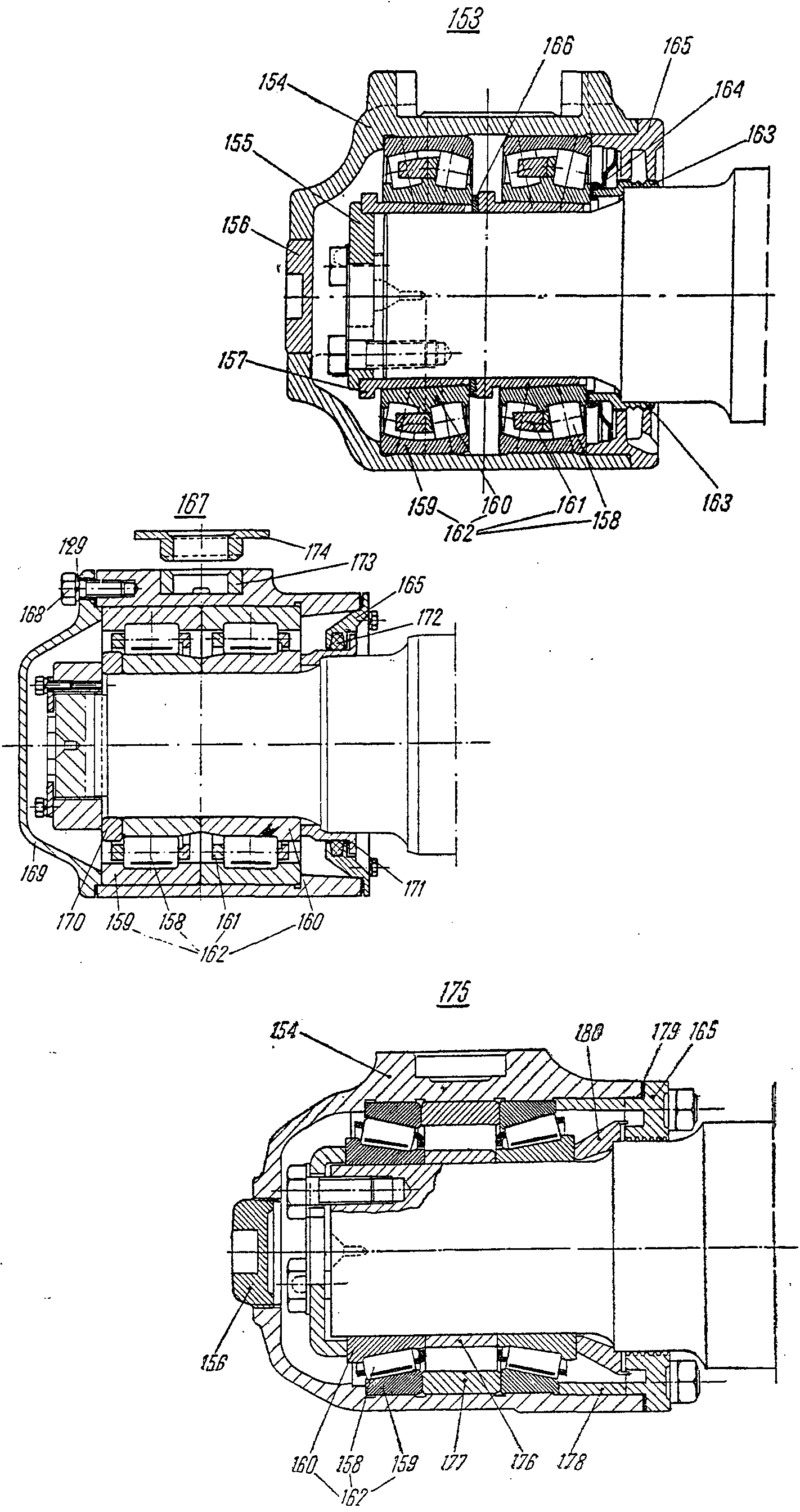 ,
,  ,
, 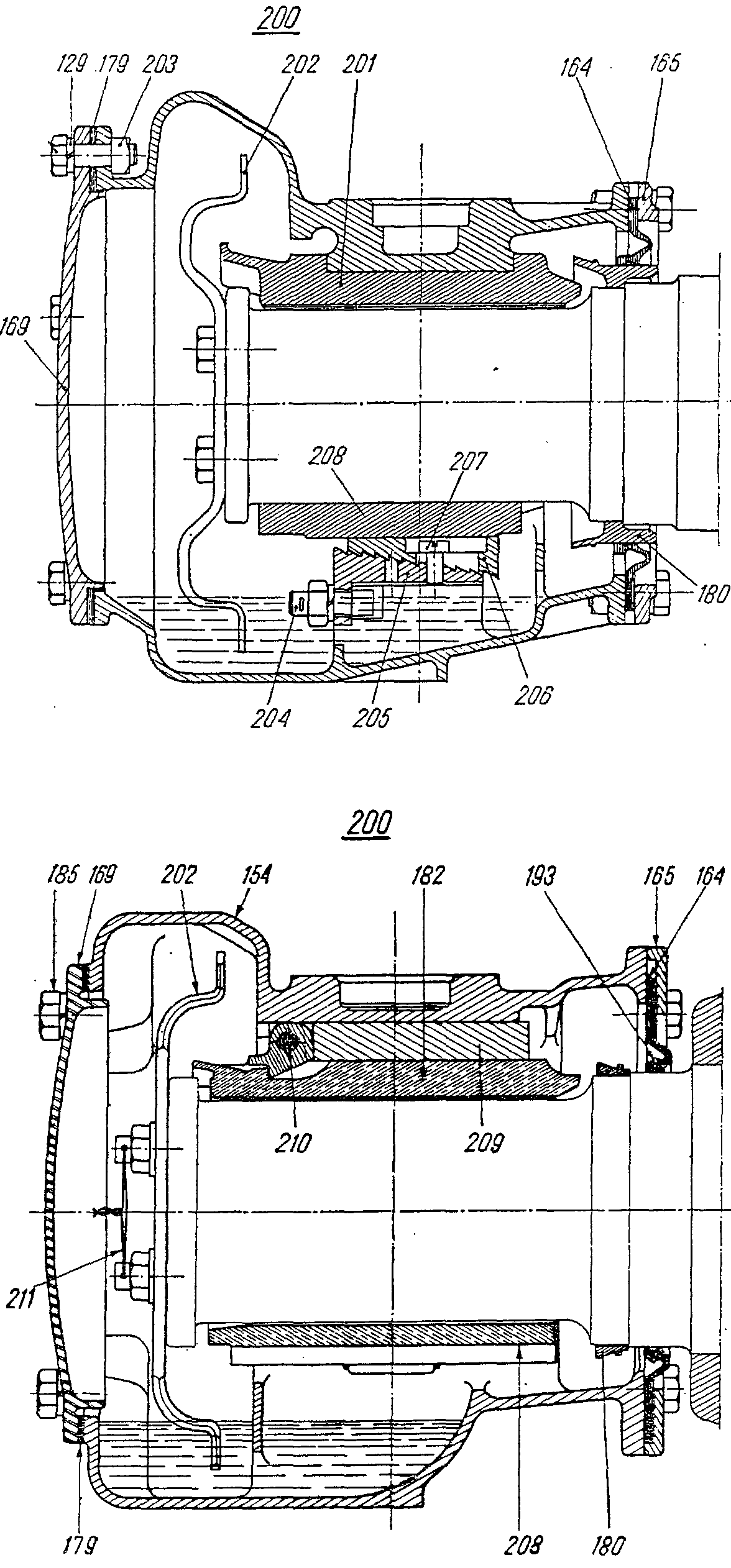 —FRA masque mDEU Verkleidung f für HeizungENG shieldITA griglia fPLN osłona f grzejnikaRUS корпус m воздухоподогревателясм. поз. 2269 на
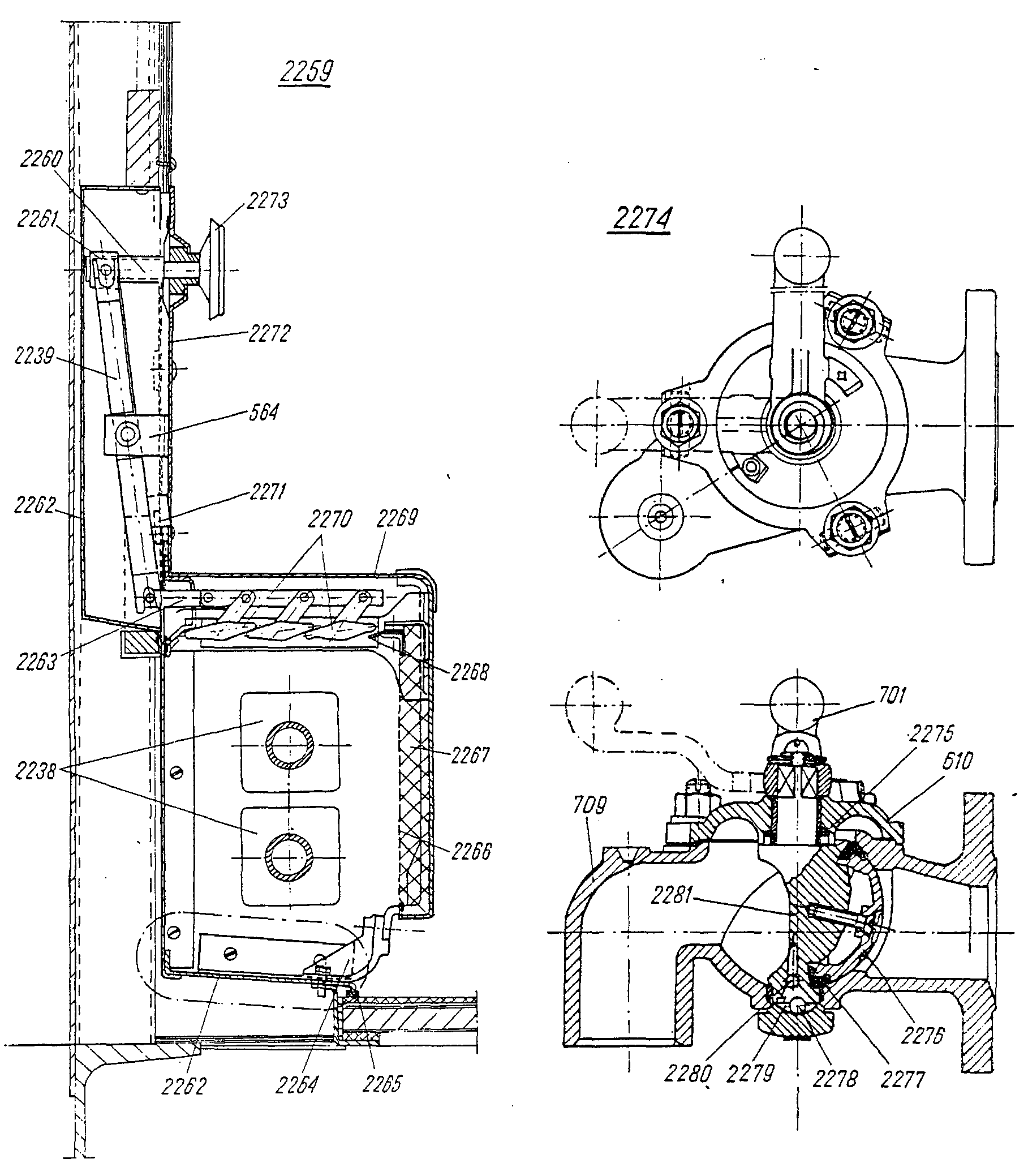 FRA coffre m de réchauffeur d’airDEU Kasten m für LufthitzerITA cassa f di contegno del termoconvettorePLN skrzynia f nagrzewnicyRUS корпус m воздухоподогревателясм. поз. 2431 на
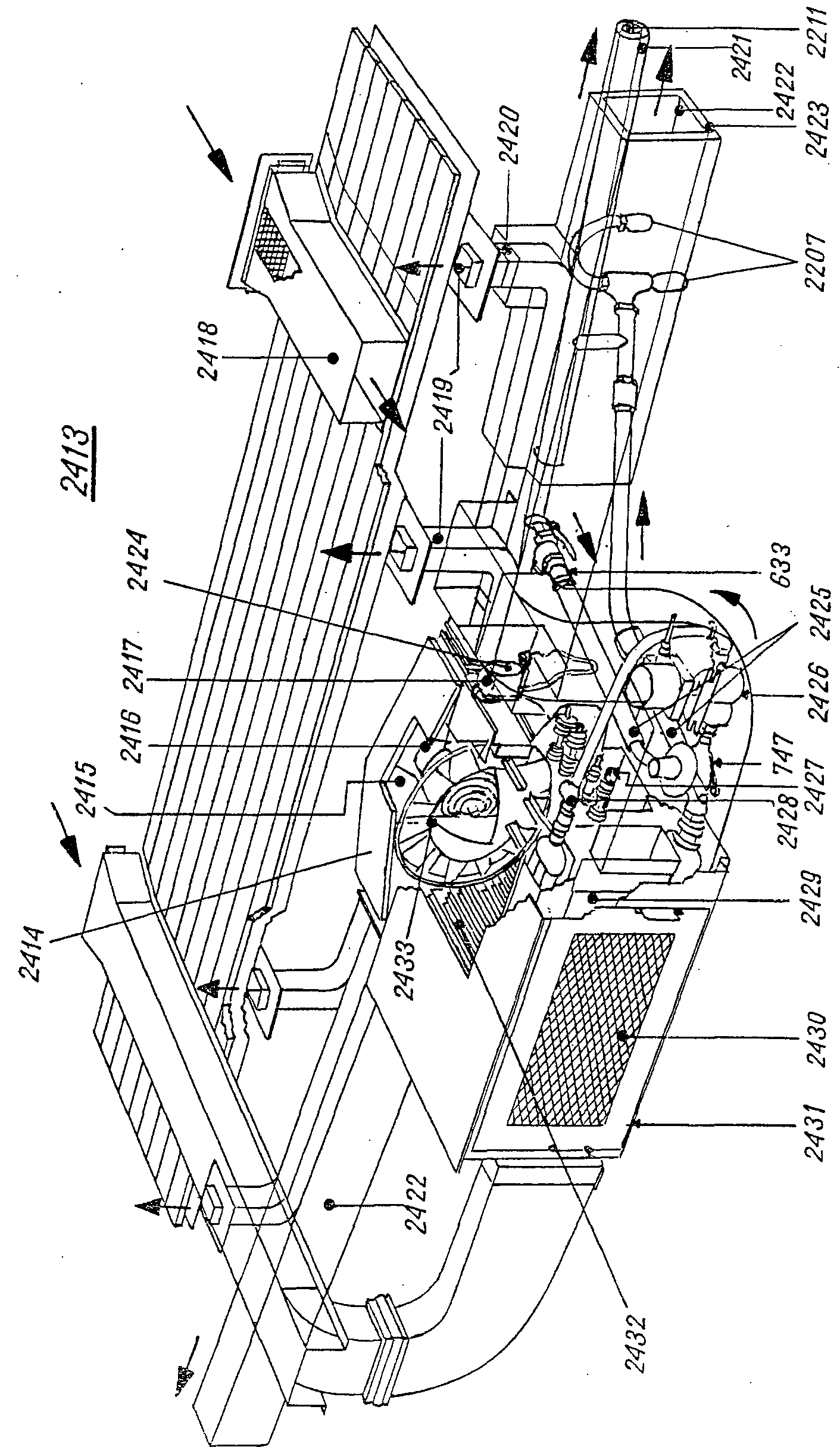 ,
, 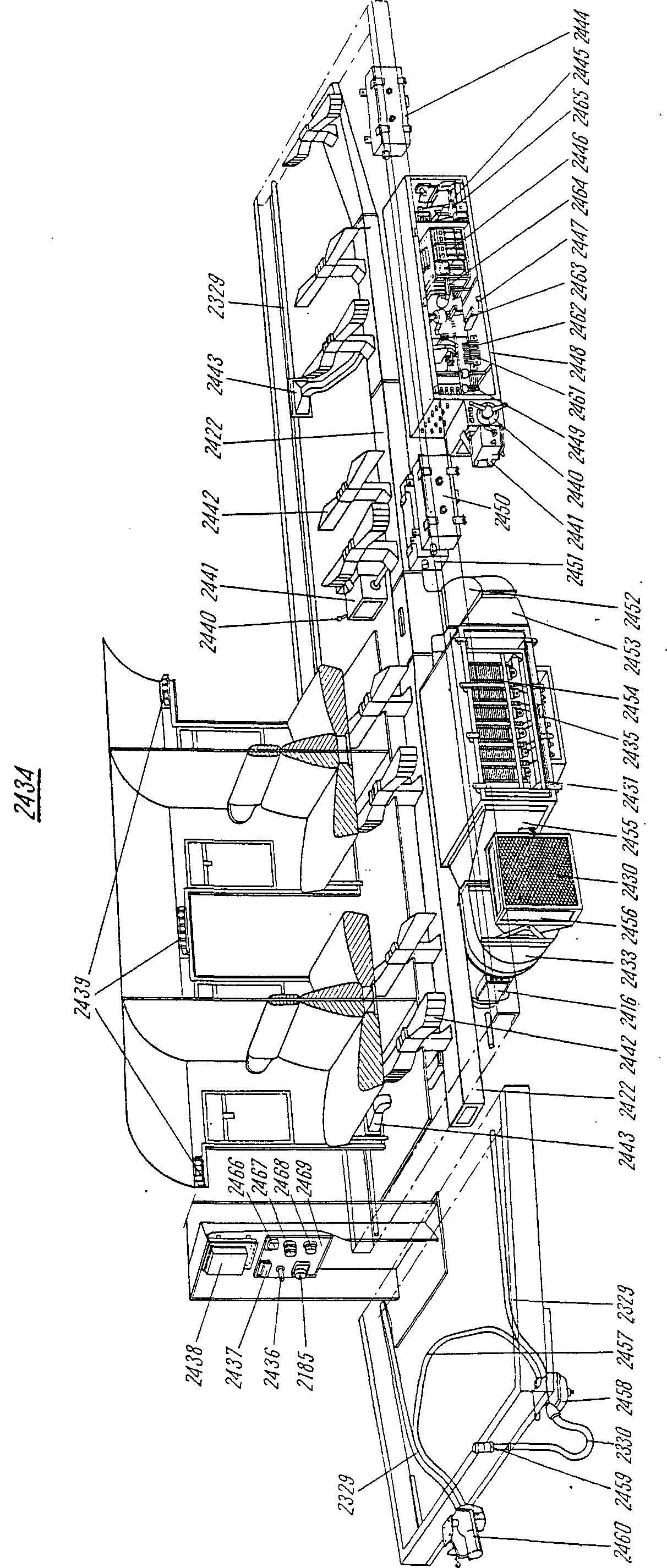 —FRA corps m du distributeurDEU Gehäuse nENG dispenser bodyITA corpo m del distributorePLN kadłub m dozownikaRUS корпус m дозаторасм. поз. 1944 на
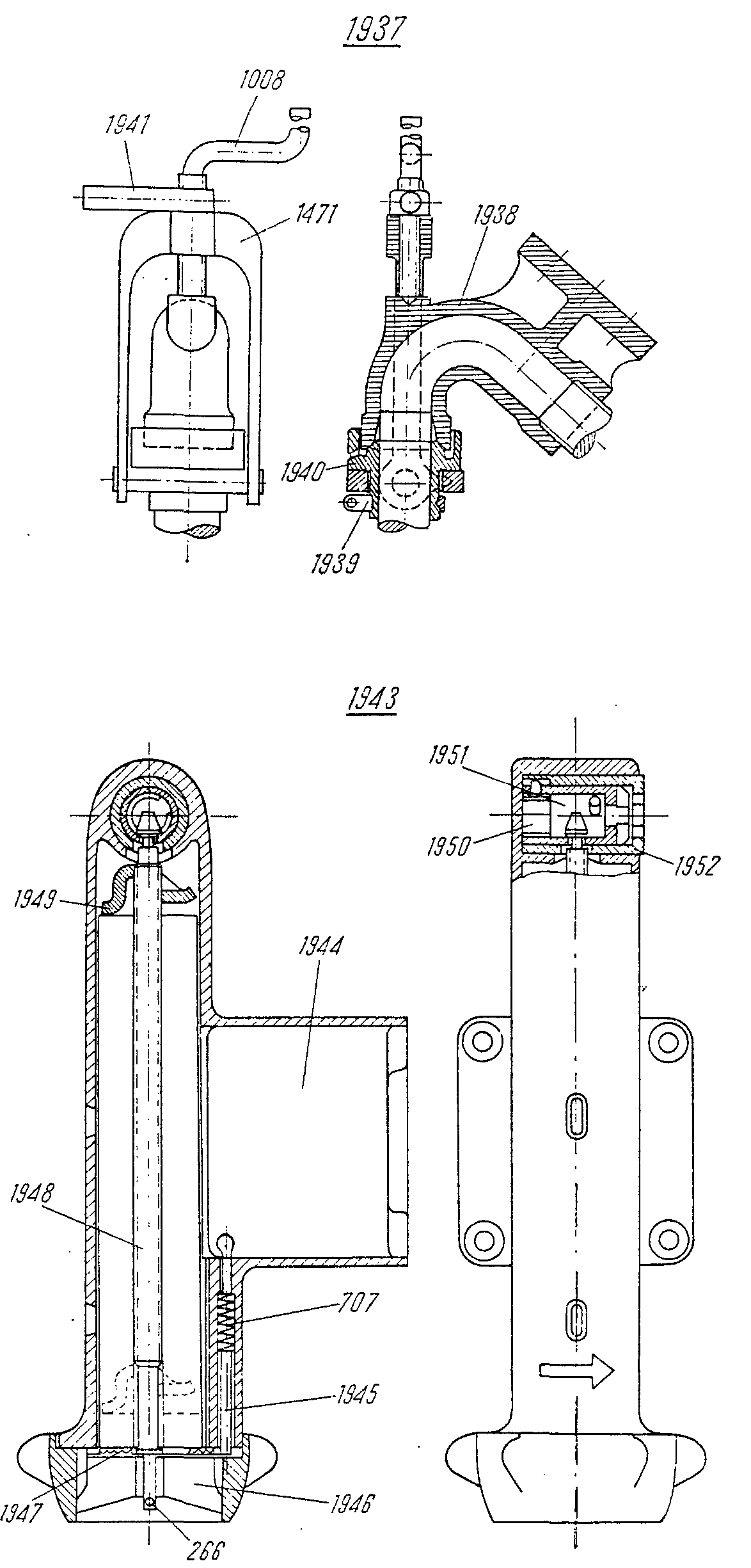 —FRA corps m de la valveDEU Ventilkörper mENG valve bodyITA corpo m della valvolaPLN kadłub m zaworuRUS корпус m клапанасм. поз. 729 на
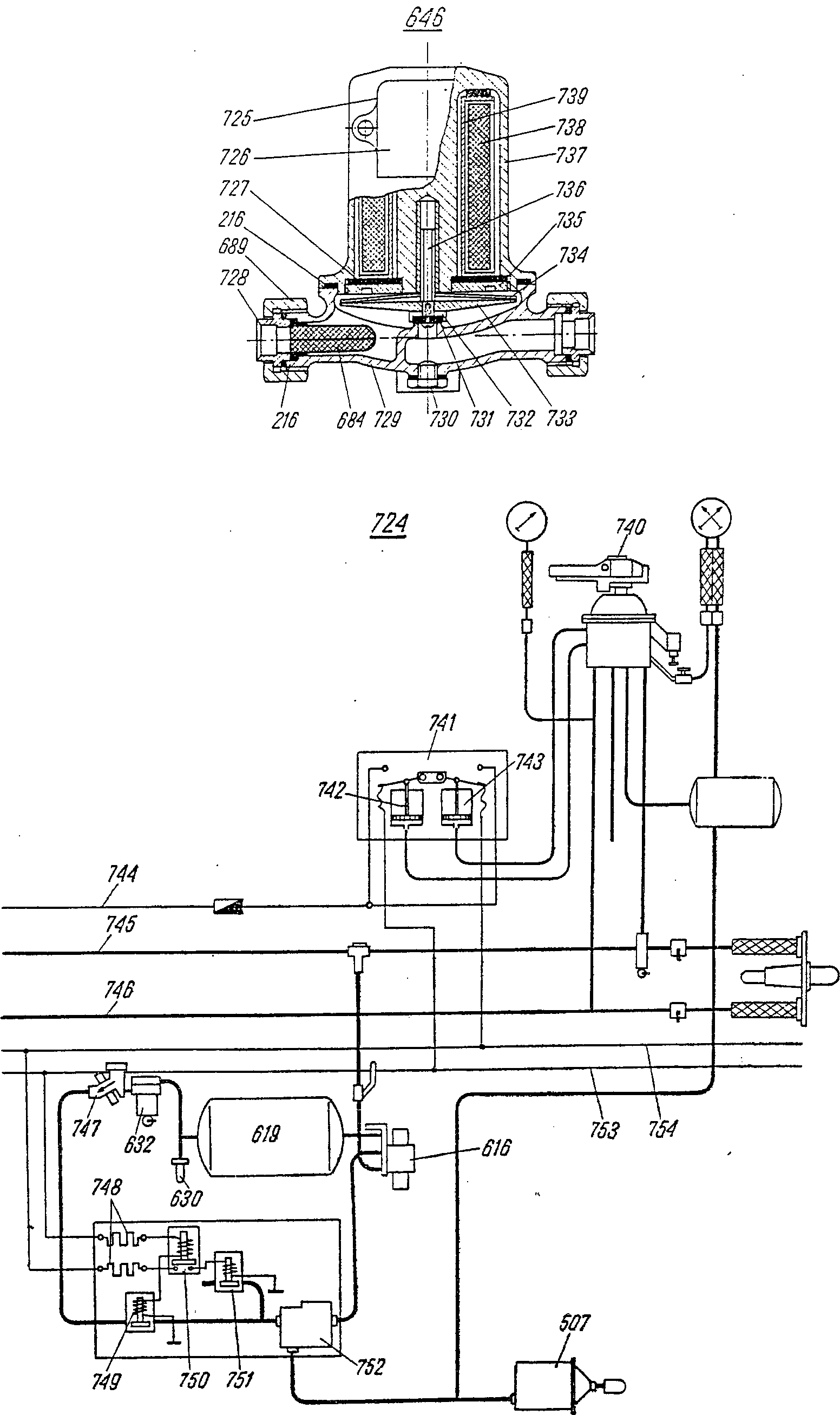 —FRA dôme m, enveloppe f du dômeDEU Dommantel mENG domeITA duomo mPLN płaszcz m kołpakaRUS корпус m колпакасм. поз. 1673 на
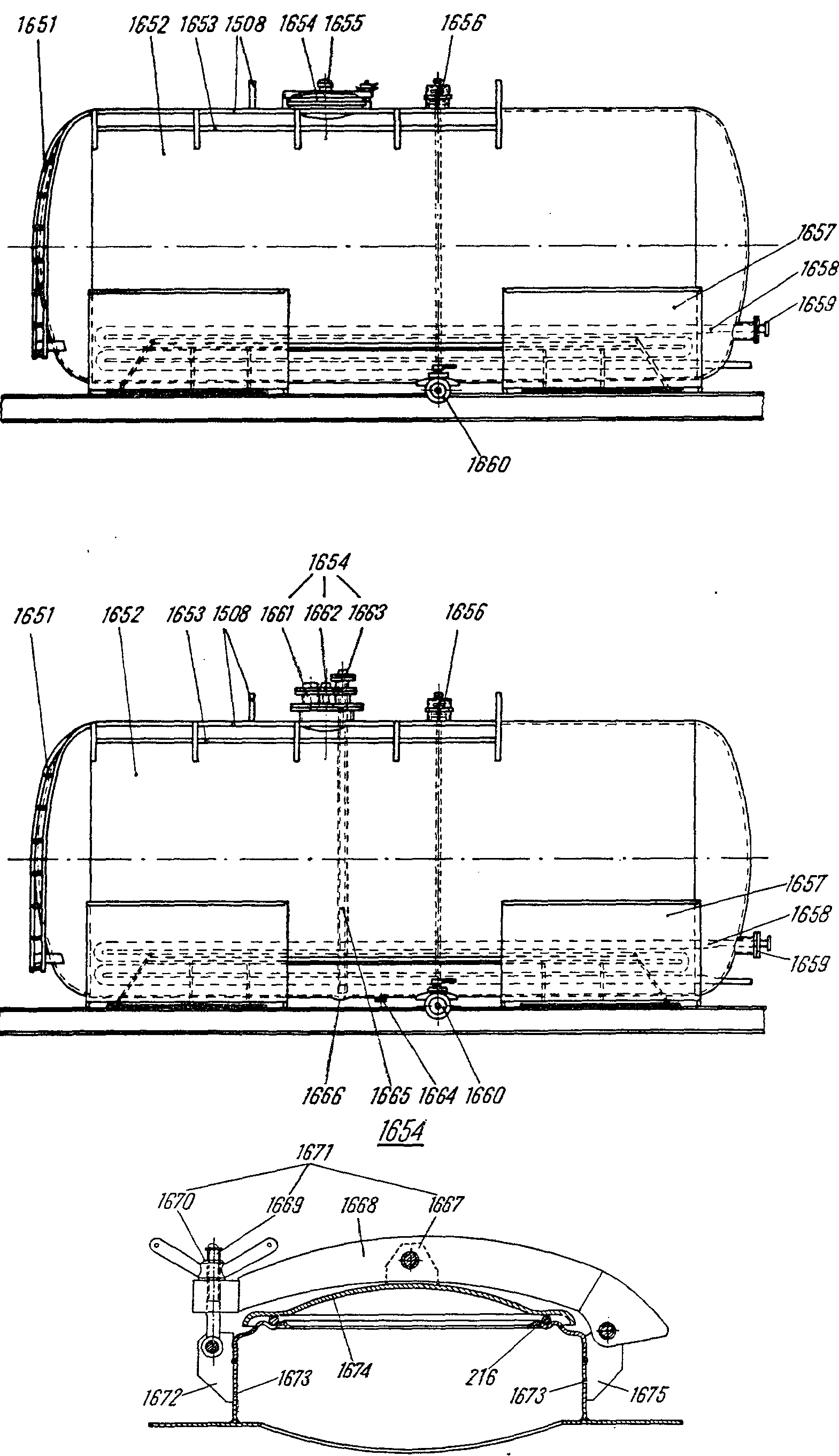 —FRA boîte f d’engrenages coniquesENG bevel gear boxITA scatola f degli ingranaggi coniciPLN skrzynka f przekładni stożkowejRUS корпус m конической передачисм. поз. 2036 на
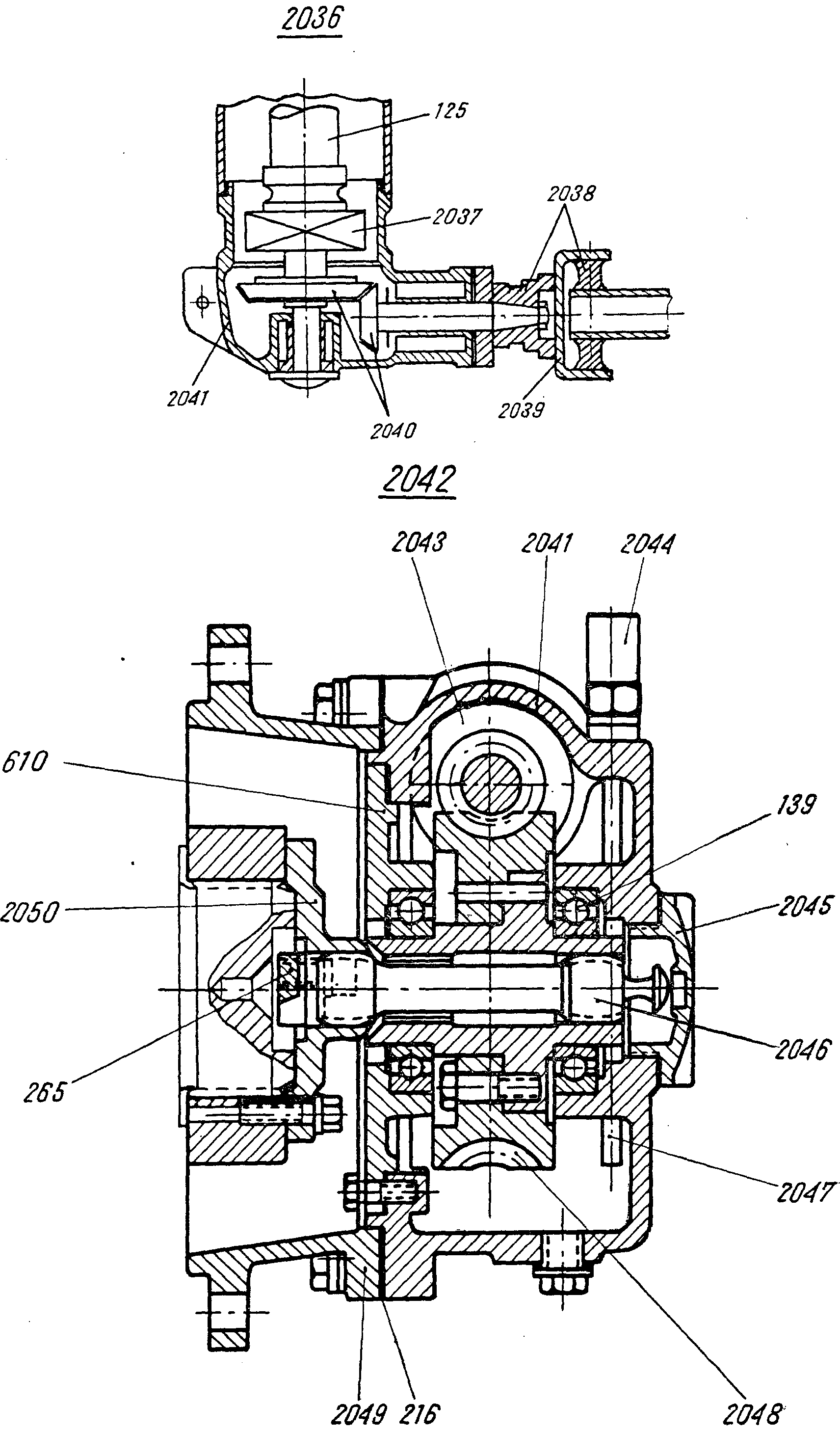 —FRA corps m de robinetDEU Gehäuse nENG cock casingITA corpo m del rubinettoPLN kadłub m kurkaRUS корпус m кранасм. поз. 709 на
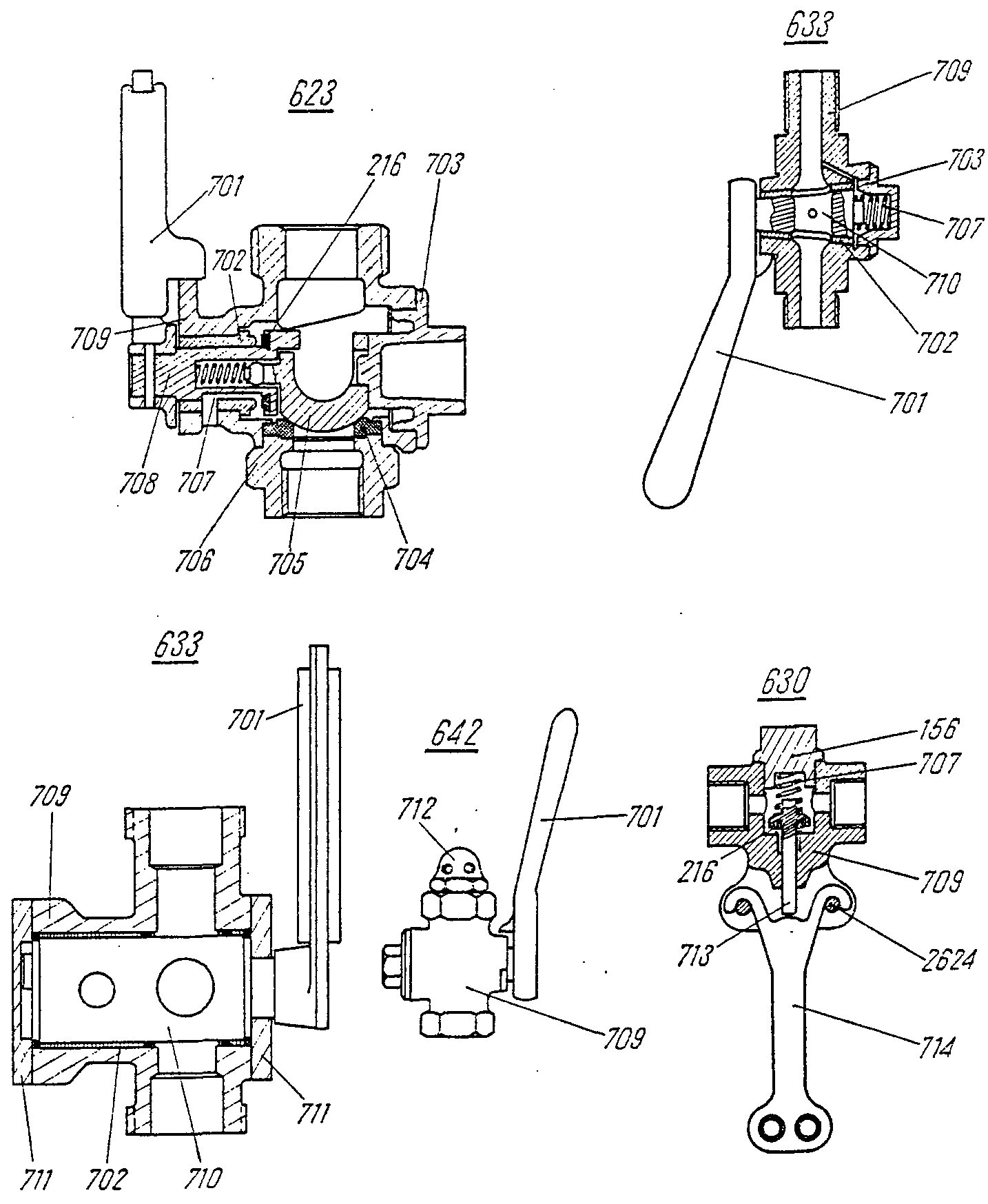 ,
, корпус люминесцентного светильника
—FRA boîtier mENG caseITA corpo m della plafonieraPLN oprawa f lampy jarzeniowejRUS корпус m люминесцентного светильникасм. поз. 2165 на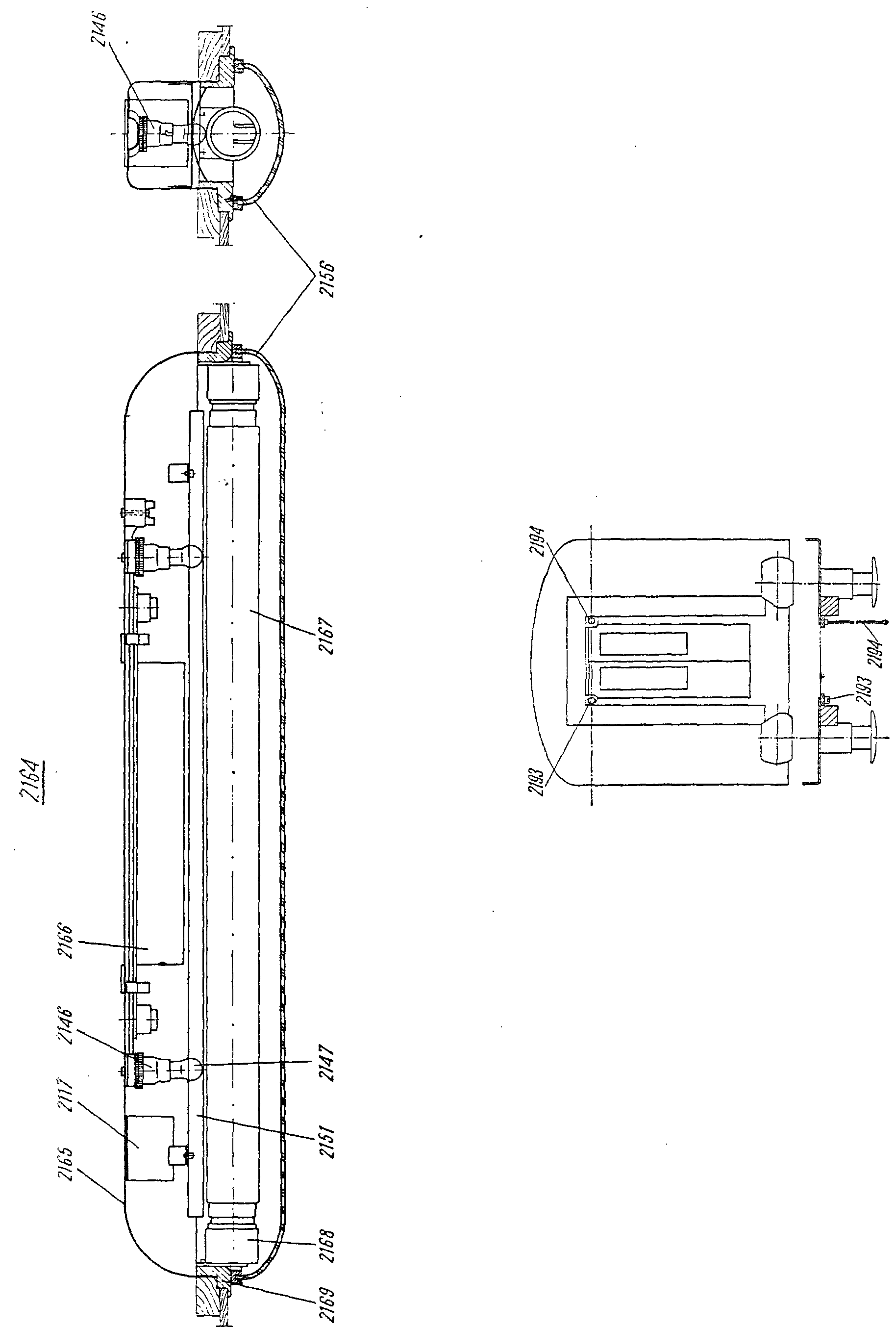 —FRA fourreau m de guidageENG spring housingITA fodero m di guidaRUS корпус m надбуксовой рессорысм. поз. 295 на
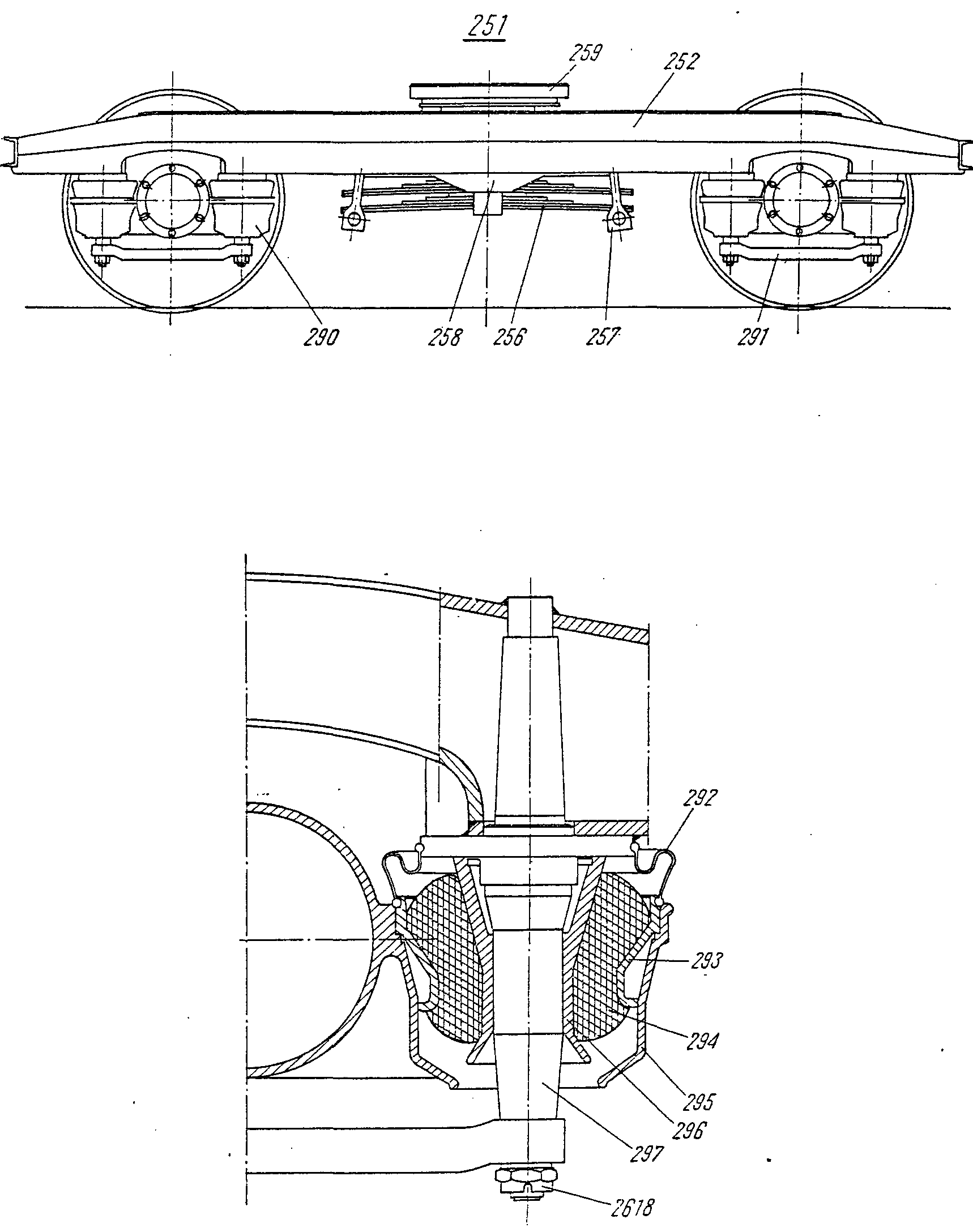 —FRA boîte f d’engrenagesDEU Getriebe nENG gear boxITA scatola f degli ingranaggiPLN skrzynka f przekładniRUS корпус m передачисм. поз. 2033 на
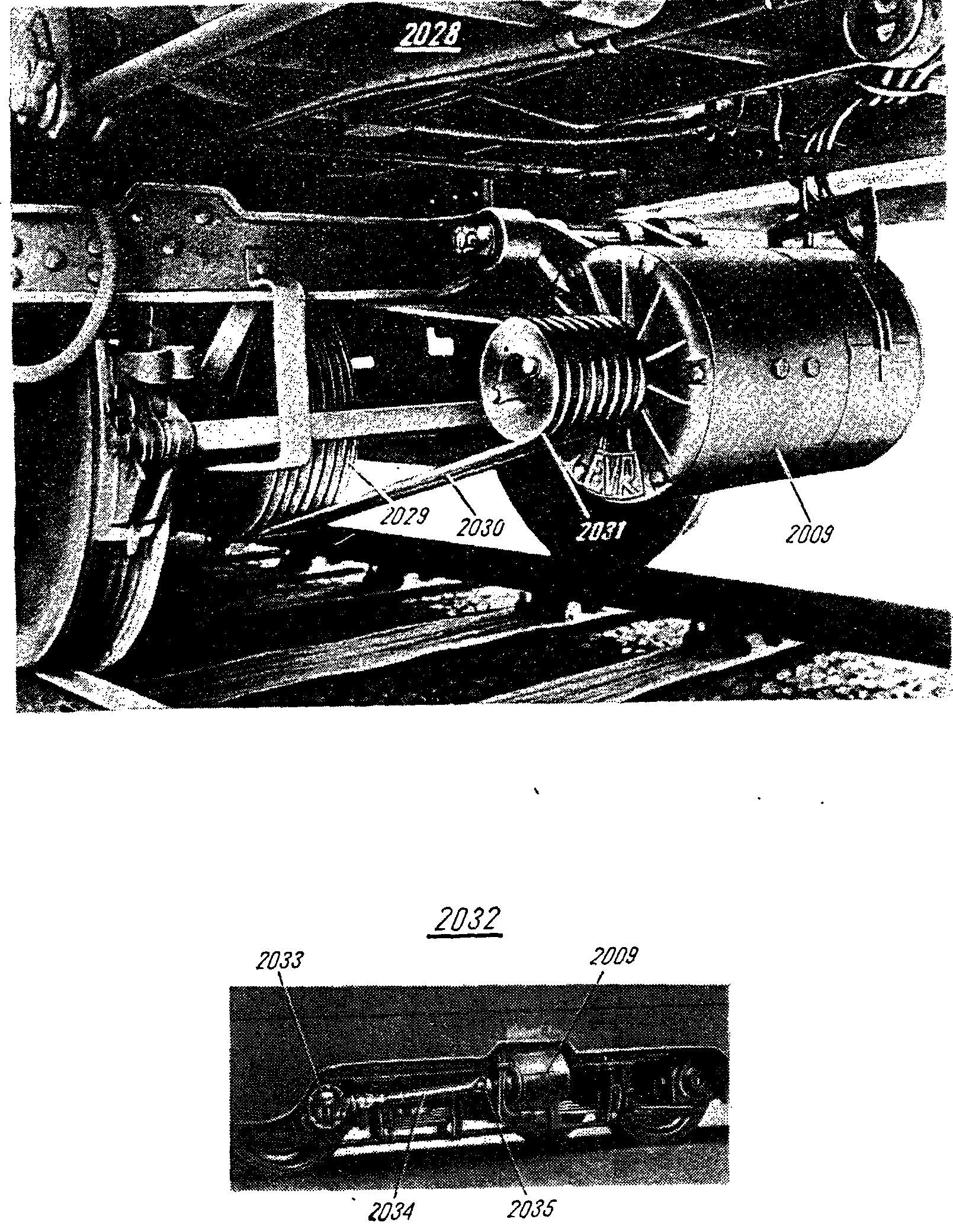 —FRA équilibreur mDEU Federhülse f mit Druckfeder fENG balance springITA equilibratore mPLN pochwa f sprężynyRUS корпус m пружинысм. поз. 1352 на
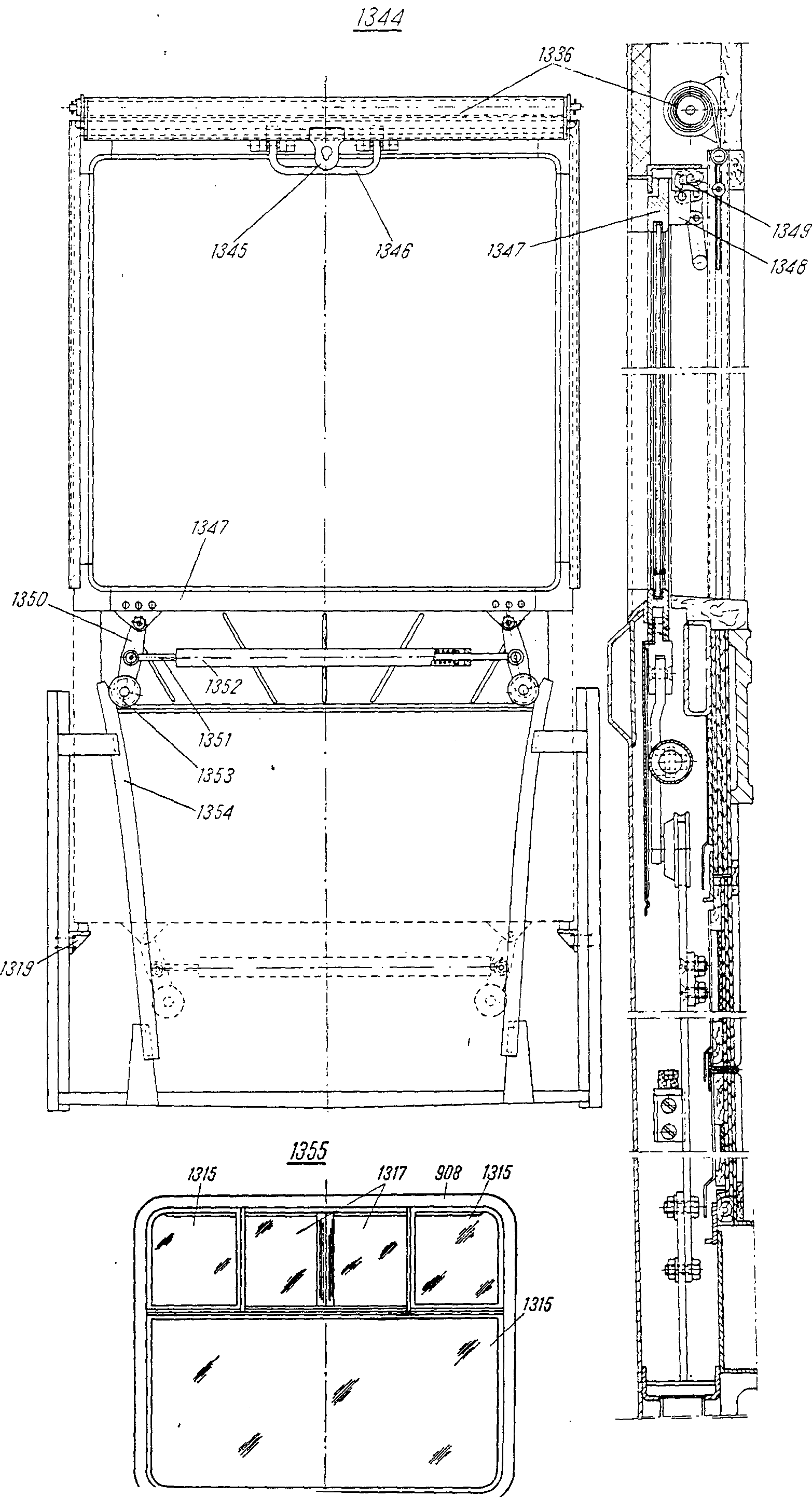 —FRA corps m de l’attrape-poussièreDEU Gehäuse nENG air filter bodyITA corpo m del filtro d'ariaPLN kadłub m odpylaczaRUS корпус m пылеловкисм. поз. 679 на
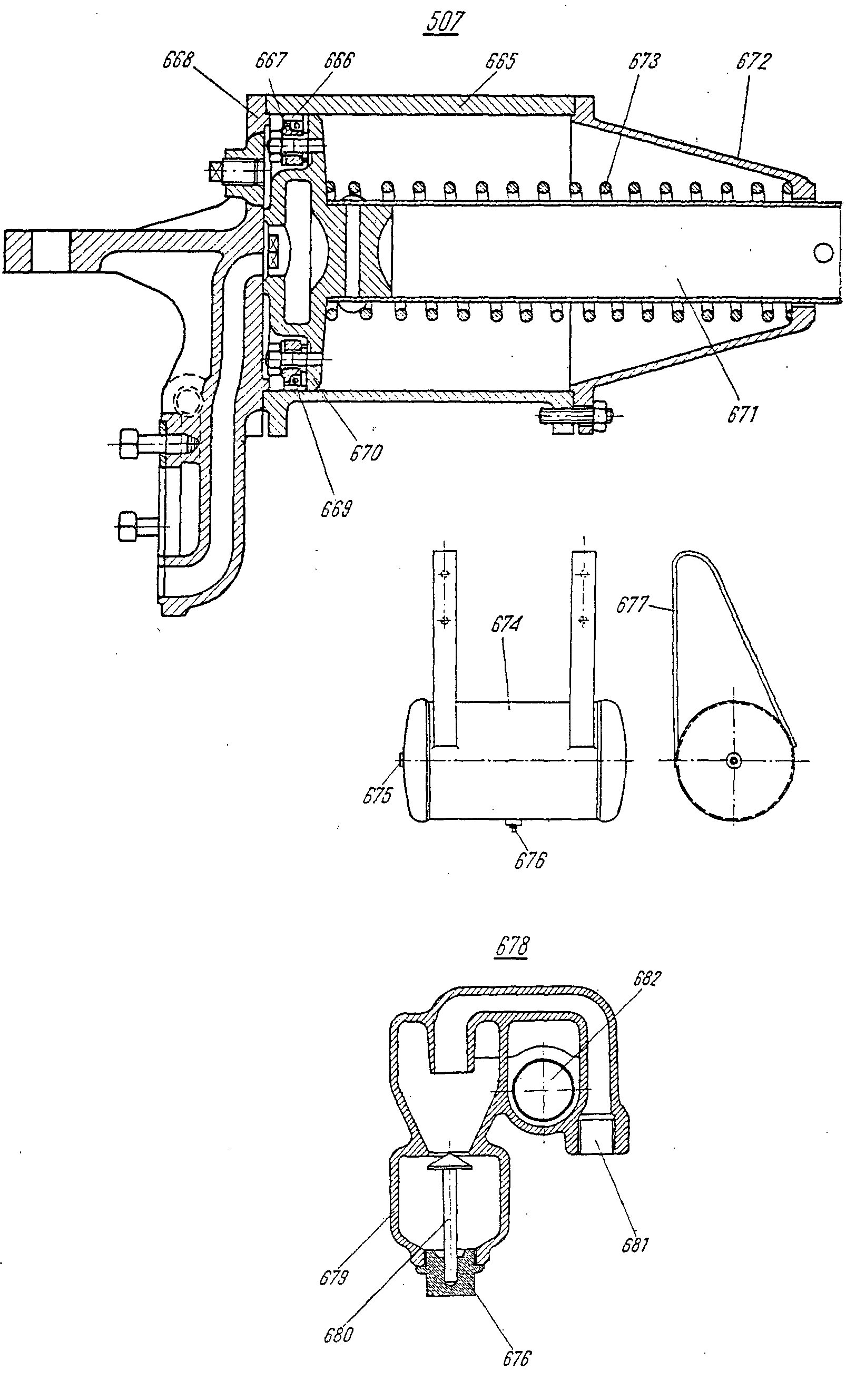 —FRA corps m du régulateurDEU Mantelrohr nENG regulator coverITA corpo m del regolatorePLN obudowa f termostatuRUS корпус m регуляторасм. поз. 2250 на
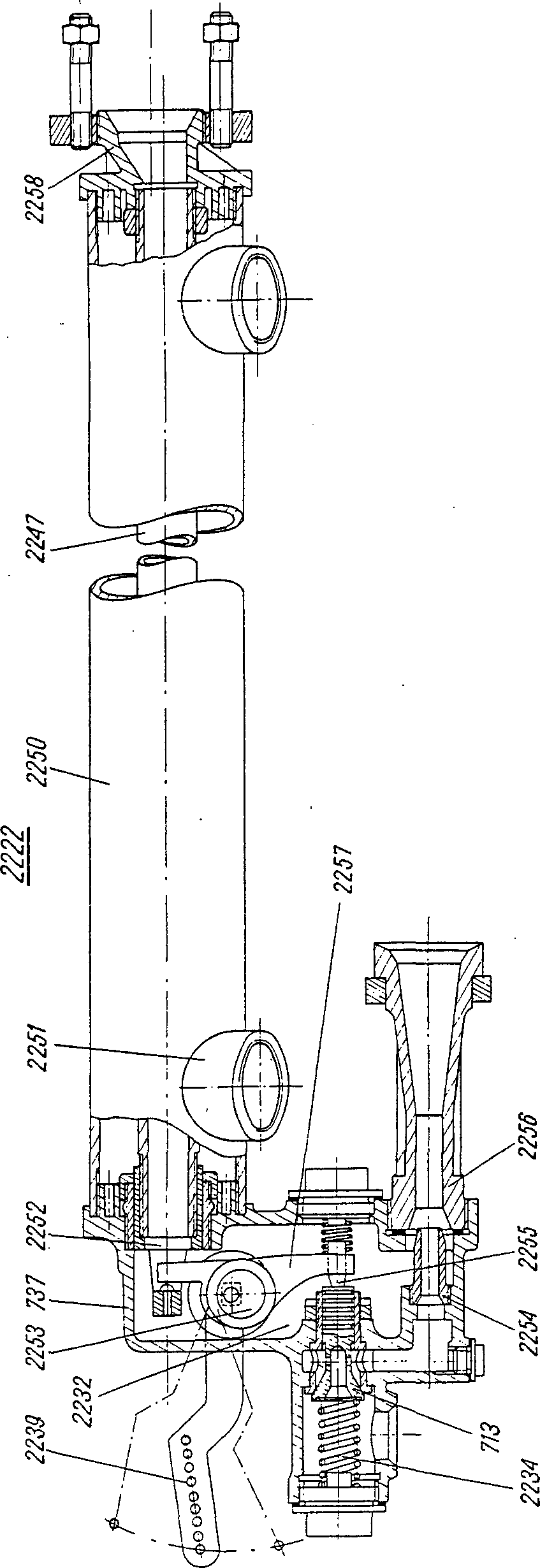 FRA boîte f de transmissionDEU Übertragungsdose fENG switch boxITA scatola f di manovraPLN skrzynka f napęduRUS корпус m регуляторасм. поз. 2323 на
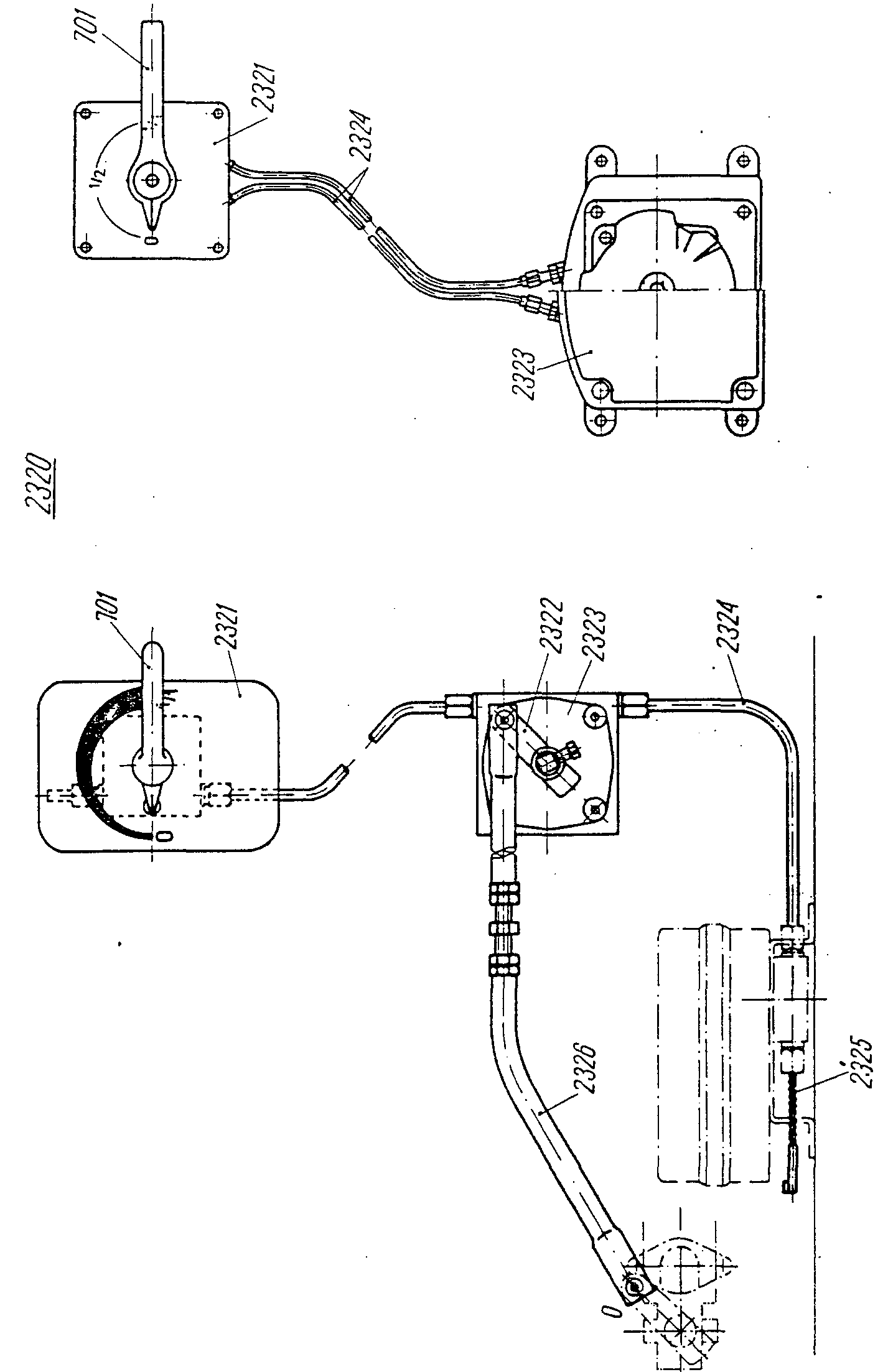 —FRA occulteur mDEU Gehäuse nENG shadeITA schermo mPLN obudowa fRUS корпус m светильникасм. поз. 2150 на
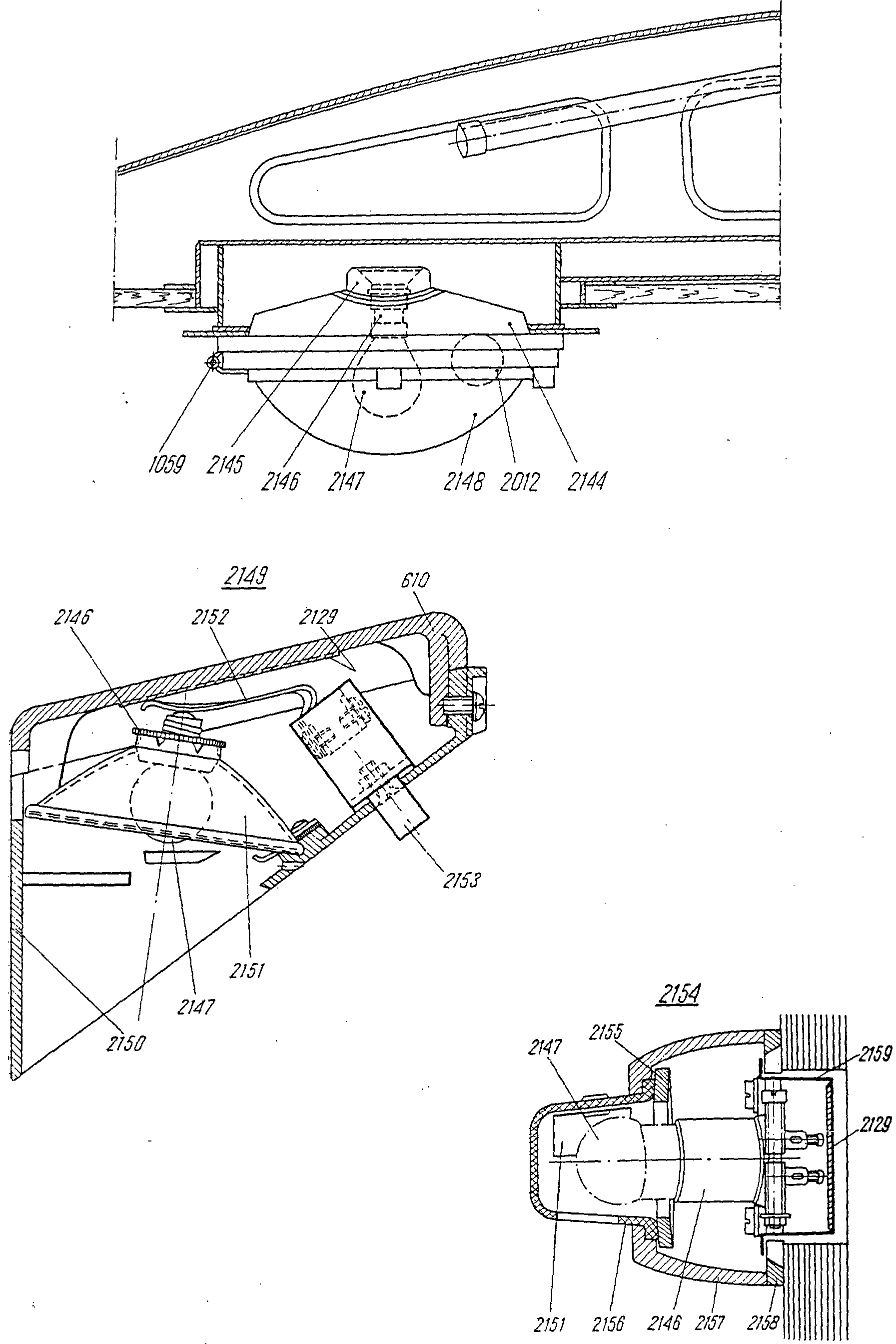 FRA embase fDEU Gehäuse nENG baseITA base fPLN oprawa f lampyRUS корпус m светильникасм. поз. 2157 на
корпус устройства для дистанционного управления
—FRA boîte f de commandeDEU Stelleinrichtung f mit Schild nITA scatola f di comandoPLN skrzynka f nastawnikaRUS корпус m устройства для дистанционного управлениясм. поз. 2321 накорпус фильтра — верхняя часть
—FRA corps m du filtre à air (partie supérieure)ITA corpo m del filtro dell aria (parte superiore)PLN pokrywa f kadłuba odpylaczaRUS корпус m фильтра — верхняя частьсм. поз. 686 на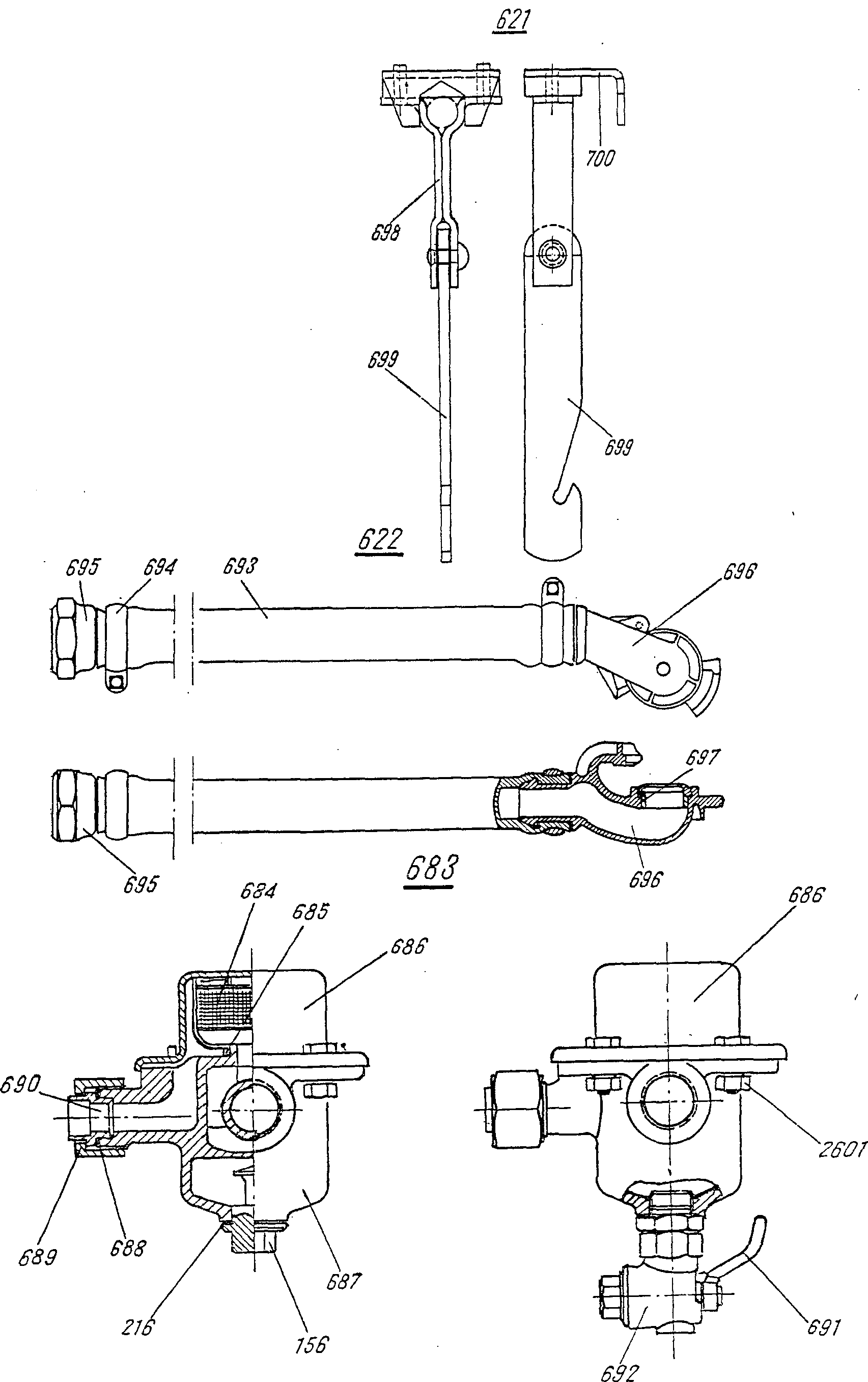 —FRA corps m du filtre à air (partie inférieure)ITA corpo m del filtro dell aria (parte inferiore)PLN kadłub m odpylacza (część dolna)RUS корпус m фильтра — нижняя частьсм. поз. 687 на—FRA corps m de cylindre de freinDEU Zylinderkörper mITA corpo m del cilindro del frenoPLN kadłub m cylindraRUS корпус m цилиндрасм. поз. 665 наFRA corps m du cylindreDEU Zylinderkörper mENG cylinder bodyITA corpo m del cilindroPLN tuleja f cylindraRUS корпус m цилиндрасм. поз. 787 на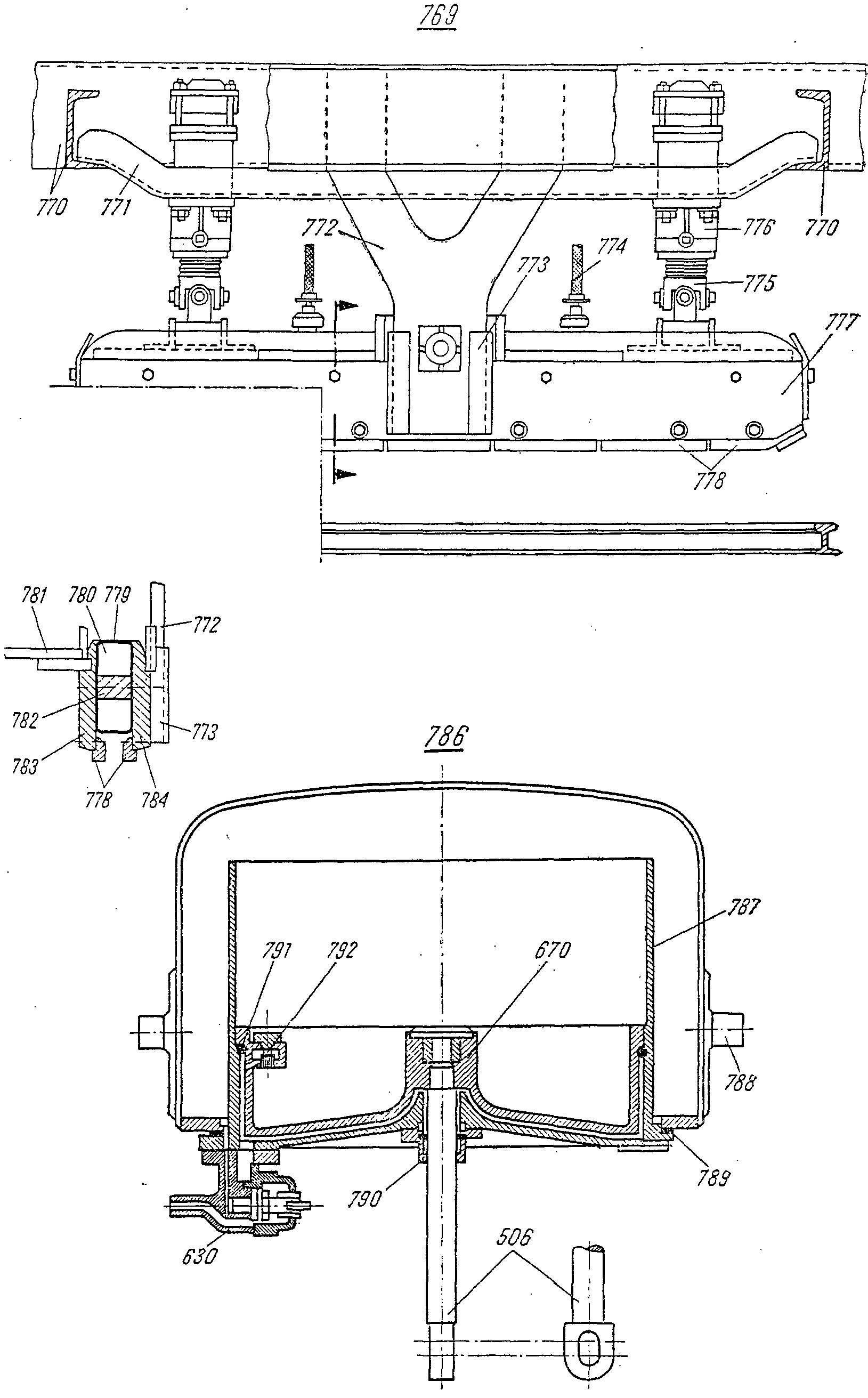
-
9 agua de manantial
spring water* * *(n.) = spring waterEx. Otherwise, drinking too much fluid at once, even a pint or two of spring water, simply overloads the kidneys without actually hydrating the body.* * *(n.) = spring waterEx: Otherwise, drinking too much fluid at once, even a pint or two of spring water, simply overloads the kidneys without actually hydrating the body.
-
10 fuente
adj.source.f.1 fountain (de agua) (construcción).fuente de agua potable drinking fountainfuente termal thermal spring2 (serving) dish (bandeja).3 source (origen).fuente de energía energy sourcefuente de energía renovable renewable energy sourcefuente de ingresos source of incomefuente de riqueza source of wealth4 source.según fuentes del ministerio de Educación,… according to Ministry of Education sources,…fuentes oficiosas/oficiales unofficial/official sources5 font (Imprenta).6 spring, headspring, fountainhead, springhead.7 drinking fountain.8 platter, serving dish, server.9 gas station, station.* * *1 (manantial) spring2 (artificial) fountain3 (recipiente) serving dish, dish4 figurado source\de buena fuente from reliable sourcesde fuente fidedigna from reliable sources* * *noun f.1) fountain2) spring3) source, origin* * *SF1) (=construcción) fountain; (=manantial) spring- abrir la fuente de las lágrimasfuente de soda — LAm café selling ice-cream and soft drinks, soda fountain (EEUU)
2) (Culin) serving dish, platterfuente de hornear, fuente de horno — ovenproof dish
3) (=origen) source, originde fuente desconocida/fidedigna — from an unknown/a reliable source
fuente de alimentación — (Inform) power supply
* * *1) ( manantial) spring2) (construcción, monumento) fountain3) ( plato) dish4)a) ( origen) sourceb) ( de información) sourceuna información de buena fuente or de fuentes fidedignas or de toda solvencia — information from reliable sources
* * *1) ( manantial) spring2) (construcción, monumento) fountain3) ( plato) dish4)a) ( origen) sourceb) ( de información) sourceuna información de buena fuente or de fuentes fidedignas or de toda solvencia — information from reliable sources
* * *fuente11 = fountain, spring, water fountain.Ex: This process is similar to the way jets of water in illuminated fountains trap the light from underwater light sources.
Ex: This is in fulfillment of the Claverhouse dictum that unless staff members have the opportunity to develop as people their inspirational springs will become mere trickles.Ex: The farm supplies visitors with high-quality natural environment (landscape, forest, water fountains, ecological food), accommodation, and other services.* fuente con peces = fish pond [fishpond].* fuente de agua = drinking fountain, water fountain, bubbler.* fuente para beber = water fountain, bubbler.* fuentes termales = hot springs.fuente22 = parent, source.Ex: Most bibliographic databases evolved from a parent abstracting or indexing publication.
Ex: The network is fairly well developed and lobbying initiatives on policies affecting all or a group of local authorities have stemmed from this source.* código fuente = source code.* credibilidad de las fuentes = source credibility.* documento fuente = original document, parent document, source document.* el dinero es la fuente de todos los males = money is the root of all evil.* formato fuente = source format.* fuente bibliográfica = bibliographic source, bibliographical source.* fuente bibliográfica especializada = specialist bibliographic source.* fuente de alimentación = power source.* fuente de alimentos = food supply, supply of food.* fuente de conflicto = source of conflict.* fuente de energía = energy source, source of energy, power source.* fuente de energía(s) alternativa(s) = alternative energy source.* fuente de información = information source, information store, source of information, source of data.* fuente de información electrónica = electronic information source.* fuente de ingresos = revenue stream, source of revenue, source of income, revenue base, revenue earner.* fuente de los deseos = wishing well.* fuente de luz = light source.* fuente de provisión = source of supply.* fuente de radiación = radiation source.* fuente de referencia = information source, reference source, source of help.* fuente de suministro = source of supply.* fuente de todos los males, la = root of all evil, the.* fuente donde se puede encontrar todo sobre Algo = one stop shop.* fuente histórica = historical record.* fuente oral = oral source.* fuente para beber = scuttlebutt, drinking fountain.* fuente primaria = primary source, source material.* fuente principal de información = chief source of information.* fuentes de información = information base.* fuente secundaria = secondary source, finding aid.* fuentes oficiosas = grapevine.* guía de fuentes de información = pathfinder.* Indice de Fuentes = source index, Source Index.* información de fuente fidedigna = authoritative information.* obra fuente de la cita = citing work.* programa fuente = source programme.* tesauro fuente = source thesaurus.* texto fuente = copy-text.* una fuente de = a treasure trove of.* una fuente inagotable de = a treasure house of.* una única fuente para Algo = one-stop, one-stop shopping, one stop shop.fuente33 = platter.Ex: All salads are served on platters with herbs, rolls or garlic bread.
* fuente de marisco = shellfish platter.* fuente de pescado = seafood platter.fuente44 = font.Nota: Conjunto de letras, signos y espacios en blanco usados en la composición de un texto.Ex: No longer is the user constrained to a supplied set of fonts.
fuente55 = fount of type.Ex: A fount of type was a set of letters and other symbols in which each was supplied in approximate proportion to its frequency of use, all being of one body-size and design.
* * *A (manantial) springfuente termal hot o thermal springla fuente del río the source of the riverB (construcción, monumento) fountainfuente de agua potable drinking fountainCompuestos:wishing wellsoda fountain ( AmE), snack barC (plato) dishpuso la carne en una fuente ovalada he put the joint on an oval (serving) dish o platteruna fuente de porcelana a china dishCompuesto:ovenproof dishD1 (origen) sourcela principal fuente de ingresos de esta zona the principal source of income in this regionfuente de suministro source of supply2 (de información) sourceesta enciclopedia es una buena fuente de datos this encyclopedia is a useful source of informationtenemos informaciones de buena fuente or de fuentes fidedignas we have information from reliable sourcessegún fuentes de toda solvencia or fuentes solventes according to reliable sourcessegún fuentes de la Administración according to government sourcesE ( Impr) font* * *
fuente sustantivo femenino
1
fuente de ingresos source of income;
información de buena fuente information from reliable sources
2 ( construcción) fountain;◊ fuente de soda (Chi, Méx) soda fountain (AmE), ( place where drinks and ice creams are bought and consumed)
3 ( plato) dish;
fuente sustantivo femenino
1 fountain
2 (plato de servir) (serving) dish
3 (origen de algo) source: fuentes literarias, literary sources
fuentes de alimentación eléctrica, sources of electricity
' fuente' also found in these entries:
Spanish:
inagotable
- secarse
- taza
- autorizado
- cantarín
- caño
- divisa
- enlozado
- frágil
- lapicera
- luminoso
- pila
- pilón
- pluma
- secar
English:
baking dish
- delight
- dish
- evenly
- font
- fountain
- fountainhead
- horse
- informant
- quotable
- reliably
- resource
- source
- spout
- spring
- thermal
- typeface
- unnamed
- authority
- baking
- hot
- pen
- platter
- regular
- serving
* * *fuente nf1. [para beber] fountainfuente de agua potable drinking fountain; Chile, Carib, Col, Méx fuente de soda [cafetería] = cafe or counter selling ice cream, soft drinks etc, US soda fountain2. [bandeja] (serving) dish3. [de información]no quiso revelar su fuente de información he didn't want to reveal the source of his information;fuentes oficiosas/oficiales unofficial/official sources;según fuentes del ministerio de Educación… according to Ministry of Education sources…;ha manejado gran número de fuentes para escribir su tesis she has made use of many sources to write her thesis4. [origen] source;la Biblia es la fuente de muchas obras medievales the Bible provides the source material for many medieval worksfuente de energía energy source;fuente de energía ecológica/limpia/renovable environmentally friendly/clean/renewable source of energy;fuente de ingresos source of income;fuente de riqueza source of wealth5. [causa] cause, source;fuente de problemas a source of problems o trouble;la falta de higiene es fuente de infecciones lack of hygiene is a cause of infection6. [manantial] springfuente termal thermal spring Informát power supply8. Imprenta font* * *f1 fountain; figsource2 recipiente dish3 INFOR font4 L.Am.bar soda fountain* * *fuente nf1) manantial: spring2) : fountain3) origen: sourcefuentes informativas: sources of information4) : platter, serving dish* * *fuente n1. (en una plaza, etc) fountain2. (manantial) spring4. (origen) source -
11 машина
engine, frame текст., machine* * *маши́на ж.1. machine2. ( двигатель) engine3. ( автомобиль) car; truck; vehicleагломерацио́нная маши́на — sintering machineагломерацио́нная маши́на для пе́рвой ста́дии о́бжига — first-pass sintering machineагломерацио́нная маши́на непреры́вного де́йствия — continuous sinter machineагрега́тная маши́на — integrated machineадресова́льная маши́на полигр. — addressing machineалфави́тная маши́на полигр. — alphabet cutting and printing machineаппретиро́вочная маши́на кож. — finishing [seasoning, sizing] machineаппретиро́вочная, щё́точная маши́на кож. — brushing machineаппрету́рная маши́на текст. — finishing machineармату́рно-намо́точная маши́на — wire-winding machineба́герно-элева́торная маши́на — dredging-and-hoisting machineбалансиро́вочная маши́на — balancing machineбалластиро́вочная маши́на — ballasting machine, ballast routerбанда́жно-ги́бочная маши́на — tyre-bending machineбандеро́льная маши́на — banderoling machineбанкоукла́дочная маши́на — can packing machineбё́рдочная маши́на текст. — reed-making machineбетони́рующая маши́на — concreting machineбетоноотде́лочная маши́на — concrete-finishing machineбетонораспредели́тельная маши́на — concrete-distributing [concrete-spreading] machineбетоноукла́дочная маши́на — concrete-placing machineбетоноукла́дочная маши́на с уплотня́ющим вибробру́сом — concrete vibratory machine, vibratory concrete placerбигова́льная маши́на полигр. — bending machineбилетопеча́тающая маши́на — ticket printing machineбинторе́зальная маши́на текст. — cloth-slitting machineбланширо́вочная маши́на — blanching machine, blancherбланширо́вочно-очисти́тельная маши́на — peeling scalder, scalder-peelerбобине́товая маши́на текст. — curtain-lace machineбобине́товая, двухря́дная маши́на текст. — double-tier net machineбобиноре́зальная маши́на и перемо́точная маши́на полигр. — slitting-and-rewinding machineборторе́зательная маши́на рез. — bead cutter, debeading machineботвоубо́рочная маши́на — haulm gatherer, top-gathering machineботвоудаля́ющая маши́на — haulm removing machineбочкоразли́вочная маши́на — cask racking machine, cask rackerбракера́жная маши́на ( для бутылок) — quality-control machineбрако́вочно-нака́тная маши́на текст. — cloth rolling-and-inspection machineбрикетиро́вочная маши́на с.-х. — tableting machine; ( для сена) wafering machine, hay cuberбронзирова́льная маши́на полигр. — bronzing machineброшюро́вочная маши́на — bookbinding machineбуквонабо́рная маши́на — typesetterбуквофотографи́рующая маши́на — photocomposing machine, photosetterбумагоде́лательная маши́на — paper-making machineбумагообмо́точная маши́на — paper-lapping machineбумагоре́зальная маши́на — paper-curting machine, (paper) cutterбунтовяза́льная маши́на прок. — wiring machineбури́льная маши́на1. rock drill, drilling machine, stoper, drifter2. ( для установки столбов электролиний) pole-hole diggerбури́льная, враща́тельная маши́на — rotative drill, rotative drilling machineбури́льная, коло́нковая маши́на — air-leg rock drill, air drifterбури́льная, молотко́вая маши́на — hammer drill, hammer drilling machineбури́льная, пневмати́ческая маши́на — compressed-air drill, compressed-air drilling machineбури́льная, ручна́я маши́на — hand-held [jack hammer] drill, hand-held drilling machineбури́льная, телескопи́ческая маши́на — air-feed [telescopic] drill, air-feed stoper, telescope drilling machineбури́льная, уда́рно-враща́тельная маши́на — rotative-percussive drill, rotative-percussive drilling machineбури́льная, уда́рно-поворо́тная маши́на — percussive drill, percussive drilling machineбури́льная, электри́ческая маши́на — electric drill, electric drilling machineбуросбо́ечная маши́на — hole drilling machineбутылкомо́ечная маши́на — bottle washing machineбухга́лтерская маши́на — accounting machineва́куум-зака́точная маши́на — vacuum seaming machineва́куум-меси́льная маши́на — vacuum kneading machineва́куум-разли́вочная маши́на — vacuum filling machine, vacuum fillerва́куум-укупо́рочная маши́на — vacuum capping [vacuum closing] machineва́куум-упако́вочная маши́на — vacuum packing machine, vacuum packerва́куум-формо́вочная маши́на — vacuum-forming machineва́личная маши́на кож. — striking-out machineва́личная, разводна́я маши́на кож. — scouring rollerва́лочная маши́на лес. — felling machineваля́льная маши́на — planking machineваля́льная, цилиндри́ческая маши́на — rotary milling machineваля́льно-во́йлочная маши́на — bumping machineва́фельная маши́на — wafer machineве́ечная маши́на — winnowing machine, winnowerвероя́тностная маши́на киб. — probabilistic machineвертика́льно-ко́вочная маши́на — vertical forging machineвзбива́льная маши́на пищ. — beater, beating [wrip(ping), whisk(ing) ] machineвибрацио́нная маши́на — vibration machineвибрацио́нная, безуда́рная маши́на — shock-free vibration machineвибрацио́нная, резона́нсная маши́на — resonant vibration machineвиброукла́дочная маши́на пищ. — vibropackerвоздуходу́вная маши́на — air blowerволокноотдели́тельная маши́на — fibre-extracting machineволососго́нная маши́на — unhairing machineволочи́льная маши́на — drawing machineворсова́льная маши́на — carding [raising, nepping] machineворсова́льная маши́на двойно́го де́йствия — double-acting raising machineворсова́льная, ши́шечная маши́на — gig(ging) [raising (teasel)] machineворсова́льная, щё́точная маши́на — brushing machineворсоре́зная ди́сковая маши́на — circular knife fustian machineвру́бовая маши́на — coal cutterвру́бовая, ба́шенная маши́на — turret coal cutterвру́бовая, ди́сковая маши́на — disk coal cutterвру́бовая маши́на для ве́рхней подру́бки — overcut coal cutterвру́бовая маши́на для дугово́го вру́ба — arcwaller, arcwall cutterвру́бовая маши́на для ни́жней зару́бки — undercut coal cutterвру́бовая, короткозабо́йная цепна́я маши́на — chain breast coal cutterвру́бовая, многоба́ровая маши́на — multijib coal cutterвру́бовая маши́на на гу́сеничном ходу́ — crawler-mounted coal cutterвру́бовая маши́на на ре́льсовом ходу́ — track-mounted coal cutterвру́бовая, уда́рная маши́на — percussive coal cutterвру́бовая, универса́льная маши́на1. long wall — short wall coal cutter2. universal coal cutterвру́бовая маши́на, устано́вленная на конве́йере — conveyer-mounted coal cutterвру́бовая, электри́ческая маши́на — electric coal cutterвру́бо(во)-нава́лочная маши́на — cutting-loading machineвру́бо(во)-отбо́йная маши́на — cutting-winning machineвста́вочная маши́на полигр. — inserterвста́вочно-шве́йная маши́на полигр. — inserter-stitcherвстря́хивающая маши́на литейн. — jarring machineвыбивна́я маши́на — shake-out machineвы́бойная маши́на пищ. — (flour) packing machine, (flour) packerвы́мольная маши́на — bran finisherвысадкопоса́дочная маши́на — planterвы́садочная маши́на метал. — upsetting [beading] machineвысека́льная маши́на полигр. — die-cutting machineвычисли́тельная маши́на [ВМ] — computing machine, computerвычисли́тельная маши́на рабо́тает в и́стинном масшта́бе вре́мени — a computer operates in real timeнастра́ивать вычисли́тельную маши́ну на реше́ние зада́чи — set up a computer for a (given) problemосуществля́ть обще́ние (челове́ка) с вычисли́тельной маши́ной — interact with a computer, carry out a dialogue with a computerприменя́ть вычисли́тельную маши́ну для автоматиза́ции прое́ктных рабо́т — use a computer as a design tool [as an aid to design]рабо́тать на вычисли́тельной маши́не — run a computerвычисли́тельная, автокорреляцио́нная маши́на — autocorrelation computerвычисли́тельная, ана́логовая маши́на [АВМ] — analog computerана́логовая вычисли́тельная маши́на не произво́дит дискре́тного счё́та — an analog computer does not operate on digital numbersвычисли́тельная, ана́логовая пневмати́ческая маши́на — pneumatic analog computerвычисли́тельная, ана́лого-цифрова́я маши́на — analog-digital [hybrid] computerвычисли́тельная, асинхро́нная маши́на — asynchronous computerвычисли́тельная, беза́дресная маши́на — no-address [zero-address] computerвычисли́тельная, биони́ческая маши́на — bionic computerвычисли́тельная, быстроде́йствующая маши́на — high-speed computerвычисли́тельная маши́на второ́го поколе́ния — second-generation computerвычисли́тельная, гибри́дная маши́на — hybrid [analog-digital] computerвычисли́тельная, двои́чная маши́на — binary [radix two] computerвычисли́тельная, двуха́дресная маши́на — two-address computerвычисли́тельная, десяти́чная маши́на — decimal computerвычисли́тельная маши́на для автомати́ческого [маши́нного] перево́да — translation machineвычисли́тельная маши́на для аэрокосми́ческих иссле́дований — aerospace computerвычисли́тельная маши́на для комме́рческих расчё́тов — business computerвычисли́тельная маши́на для нау́чных расчё́тов — scientific computerвычисли́тельная маши́на для обрабо́тки да́нных — data-processing computerвычисли́тельная маши́на для обрабо́тки результа́тов пе́реписи — census computerвычисли́тельная маши́на для регистра́ции предвари́тельных зака́зов на биле́ты — reservation computerвычисли́тельная маши́на для реше́ния экономи́ческих или комме́рческих зада́ч — business computerвычисли́тельная маши́на для управле́ния произво́дственными проце́ссами — process control computerвычисли́тельная, игрова́я маши́на — game(-playing) machineвычисли́тельная, информацио́нно-логи́ческая маши́на — information-logical machineвычисли́тельная, информацио́нно-статисти́ческая маши́на — fife computerвычисли́тельная, кла́вишная маши́на — keyboard computerвычисли́тельная, координа́тная маши́на — point-to-point computerвычисли́тельная маши́на косми́ческого корабля́ — spaceborne computerвычисли́тельная, ла́мповая маши́на — electron(ic) tube computerвычисли́тельная маши́на ма́лого быстроде́йствия — low-speed computerвычисли́тельная, многоа́дресная маши́на — multiaddress computerвычисли́тельная, навигацио́нная маши́на — navigation computerвычисли́тельная маши́на на микроминиатю́рных бло́ках — microcircuit computerвычисли́тельная маши́на на мо́дулях — modular(ized) computerвычисли́тельная маши́на на перфока́ртах — punch(ed)-card computerвычисли́тельная, насто́льная маши́на — desk(-top) computerвычисли́тельная маши́на на стру́йных элеме́нтах — fluid [fluidics] computerвычисли́тельная маши́на на твё́рдых элеме́нтах — solid-state computerвычисли́тельная маши́на на транзи́сторах — transistor(ized) computerвычисли́тельная, обуча́ющая маши́на — teaching machineвычисли́тельная, одноа́дресная маши́на — single-address computerвычисли́тельная, опти́ческая маши́на — optical computerвычисли́тельная маши́на паралле́льного де́йствия — parallel computerвычисли́тельная, перифери́ческая маши́на — peripheral computerвычисли́тельная, перфорацио́нная маши́на — ( на картах) punched-card computer; ( на лентах) punched-tape computerвычисли́тельная, полупроводнико́вая маши́на — solid-state [transistor] computerвычисли́тельная маши́на последова́тельного де́йствия — serial computerвычисли́тельная маши́на потенциа́льного ти́па — direct-current computerвычисли́тельная маши́на, рабо́тающая в и́стинном масшта́бе вре́мени — real-time computerвычисли́тельная, реле́йная маши́на — relay computerвычисли́тельная маши́на с автомати́ческой после́довательностью опера́ций — automatic sequence computerвычисли́тельная, самоорганизу́ющаяся маши́на — self-organizing computerвычисли́тельная, самопрограмми́рующая маши́на — self-programming computerвычисли́тельная, сверхма́лая маши́на — minicomputerвычисли́тельная маши́на с вне́шним программи́рованием — externally program computerвычисли́тельная маши́на с жё́сткой програ́ммой — fixed-program computerвычисли́тельная маши́на с запомина́емой програ́ммой — stored-program computerвычисли́тельная, синхро́нная маши́на — synchronous computerвычисли́тельная маши́на с набо́рной програ́ммой — wired program computerвычисли́тельная маши́на с набо́рными ди́сками — dialing set computerвычисли́тельная маши́на с переме́нной длино́й сло́ва — variable word length computerвычисли́тельная маши́на с периодиза́цией реше́ния — repetitive computerвычисли́тельная, специализи́рованная маши́на — special purpose computerвычисли́тельная маши́на с пла́вающей запято́й — floating-point computerвычисли́тельная маши́на с програ́ммным управле́нием — program-controlled computerвычисли́тельная маши́на с програ́ммным управле́нием от перфока́рт — card-programmed computerвычисли́тельная маши́на с совмеще́нием опера́ций — simultaneous computerвычисли́тельная, статисти́ческая маши́на — statistical machineвычисли́тельная маши́на с фикси́рованной запято́й — fixed-point computerвычисли́тельная, универса́льная маши́на — general-purpose [universal, all-purpose] computerвычисли́тельная, управля́ющая маши́на — control computerвычисли́тельная, центра́льная маши́на — central computerвычисли́тельная, цифрова́я маши́на [ЦВМ] — digital computerвычисли́тельная, цифрова́я интегри́рующая маши́на — incremental computerвычисли́тельная, электромехани́ческая маши́на — electromechanical machineвычисли́тельная, электро́нная маши́на — electronic computerвышива́льная маши́на — embroidery machineвяза́льная маши́на1. текст. knitting machine2. с.-х. tying [bale tie] machineвяза́льная маши́на ворсово́го переплете́ния — burl-knitting machineвяза́льная, ла́стичная пло́ская маши́на — flat rib knitting machineвяза́льная маши́на ни́зкого кла́сса — coarse-gauge machineвяза́льная, ова́льная маши́на — oval knitting machineвяза́льная, шту́чная маши́на — body-length machineгазоопа́ливающая маши́на текст. — gassing [gas-singeing] machineгазоре́зательная маши́на — gas-cutting [flame-cutting] machineгазоре́зательная, ацетиле́но-кислоро́дная маши́на — oxyacetylene-cutting machineгазоре́зательная, двухконсо́льная маши́на — double-cantilever cutting machineгазоре́зательная, копирова́льная маши́на — flame-profiling machineгазоре́зательная, многопла́менная маши́на — multiple-blowpipe [multiple-burner] machineгазоре́зательная, поля́рно-координа́тная маши́на — radial articulated-arm cutting machineгазоре́зательная, порта́льная маши́на — gantry cutting machineгазоре́зательная, порта́льная маши́на для ре́зки двух листо́в — double portal cutting machineгазоре́зательная, прямоуго́льно-координа́тная маши́на — cross carriage cutting machineгазоре́зательная, тру́бная маши́на — pipe cutting machineгазосва́рочная маши́на — gas welding machine, gas welderгалто́вочная маши́на — tumbling machineгарди́нно-тю́левая маши́на — bobbinnet machineгвоздезабивна́я маши́на — nailing machine, nailerгвозди́льная маши́на — wire-nail machineги́бочная маши́на — bending [forming] machine, benderги́бочная, валко́вая маши́на — roller-bending machineги́бочная, полосова́я маши́на — bar-bending machineгидравли́ческая маши́на — hydraulic machineгилпавли́ческая, диагона́льная маши́на — mixed-flow machineгидравли́ческая, клепа́льная маши́на — hydraulic rivet(t)ing machineгидравли́ческая, лопа́точная маши́на — impeller machineгидравли́ческая, объё́мная маши́на — positive-displacement machineгидравли́ческая, одноколё́сная маши́на — single-impeller machineгидравли́ческая, осева́я маши́на — axial-flow machineгидроочистна́я маши́на — hydroblasting machineглади́льная маши́на — ironing machine, ironerглазиро́вочная маши́на — glazing [coating, covering, icing] machine, enroberглянцева́льная маши́на кфт. — glazing machineго́рная маши́на — mining machineгорячевы́садочная маши́на — hot upsetting machineмаши́на горя́чей полиро́вки кож. — burnishing machineгофриро́вочная маши́на1. текст. crimping [pleating] machine2. метал. corrugatorгравирова́льная маши́на полигр. — engraving machine, engraverгребнечеса́льная маши́на — comb(er), combing machine, nip comb(er)гребнечеса́льная, двупо́льная маши́на — double-action comberгребнечеса́льная, двусторо́нняя маши́на — two-sided rectilinear comberгребнечеса́льная маши́на непреры́вного де́йствия — square motion comberгребнечеса́льная, одина́рная маши́на — single-nip comberгребнечеса́льная, односторо́нняя маши́на — one-sided rectilinear comberгребнечеса́льная, прямолине́йная маши́на — continental comberгребнечеса́льная маши́на с кру́глыми гре́бнями — circular [round] comberгрузова́я маши́на см. грузовой автомобильгрузоподъё́мные маши́ны ( собирательный термин) — hoisting apparatus, hoisting machineryгрунтова́льная маши́на текст. — coating machineгрунтосмеси́тельная маши́на — soil-mixing machine, soil [ground] mixerгузоубо́рочная маши́на с.-х. — cotton stalk cutterдвои́льная маши́на кож. — splitting machine, (band-knife) splitterдеаэрацио́нная маши́на — deairing machineдекортикацио́нная маши́на — decorticator, stripping machineделинтеро́вочная маши́на с.-х. — delinting machineдели́тельная маши́на1. опт. ruling machine2. метал. dividing machineдетермини́рованная маши́на киб. — determinate machineдиагона́льно-закро́йная маши́на — bias-cutting machineмаши́на для бесшве́йного скрепле́ния бло́ков полигр. — perfect binderмаши́на для брикети́рования кормо́в — foragizer, forage cuber, forage wafererмаши́на для буре́ния кро́вли — roof drilling machineмаши́на для внесе́ния аммиака́тов — ammonia solution applicatorмаши́на для внесе́ния гербици́дов — herbicide applicatorмаши́на для внесе́ния минера́льных удобре́ний и ядохимика́тов — chemical applicatorмаши́на для внесе́ния удобре́ний — fertilizer placerмаши́на для возведе́ния кре́пи — support-setting machineмаши́на для волокна́-сырца́, отбе́ливающая — raw stock bleaching machineмаши́на для вскры́тия лё́тки — tapping drillмаши́на для встря́хивания консе́рвных ба́нок — can shakerмаши́на для выкола́чивания мешко́в — sack beating [sack cleaning] machine, sack cleanerмаши́на для выра́внивания дета́лей о́буви — levellerмаши́на для вы́резки образцо́в текст. — cloth-pinking machineмаши́на для выстила́ния та́ры — lining machineмаши́на для гидропескостру́йной очи́стки — sand-water cleanerмаши́на для горя́чей штампо́вки — rot die-forging machineмаши́на для драже́, глянцо́вочная — dragee polishing machineмаши́на для жакка́рдовых карт, копирова́льная — card-repeating machineмаши́на для зака́тки борто́в метал. — closing machineмаши́на для зачи́стки метал. — deseamerмаши́на для земляны́х рабо́т — earth-moving machineмаши́на для караме́льной ма́ссы, промина́льная — sugar mass kneading machine, sugar mass kneaderмаши́на для кислоро́дной ре́зки — oxygencutting machineмаши́на для литья́ под давле́нием, литьева́я пласт. — injection moulding machineмаши́на для мерсериза́ции пря́жи в мотка́х — hank-mercerizing machineмаши́на для мо́крой декатиро́вки, декатиро́вочная — wet decatizing machineмаши́на для мы́ла, пили́рная — soap milling machineмаши́на для намо́тки кишо́к — casing skeming machineмаши́на для наре́зки маре́н — embossing [pebbling, printing] machineмаши́на для наре́зки ниш горн. — stable hole machineмаши́на для объё́мной штампо́вки — die-forging machineмаши́на для овоще́й, пучковяза́льная — vegetable tier, vegetable buncherмаши́на для очи́стки отли́вок — casting cleaning machineмаши́на для паке́тов, ва́куум-заде́лочная — vacuum bag closing [vacuum bag sealing] machineмаши́на для перемо́тки с мотко́в на ко́нусные боби́ны, бобина́жная — cone winding [coning] machineмаши́на для пода́чи карто́нной та́ры — carton feeding machineмаши́на для подмета́ния у́лиц — streetsweeperмаши́на для подпо́чвенного внесе́ния удобре́ний — subsurface applicatorмаши́на для подре́зки живо́й и́згороди — ledgecutterмаши́на для подры́вки кро́вли горн. — roof ripping machineмаши́на для подры́вки по́чвы горн. — floor ripping machineмаши́на для поли́вочного кра́шения кож. — curtain coating machineмаши́на для прове́рки гермети́чности консе́рвных ба́нок — can testing machine, can testerмаши́на для разли́вки мета́лла, карусе́льная — casting wheelмаши́на для разли́вки мета́лла, ле́нточная — straight-line casting machineмаши́на для раска́тки труб — expanding [reeling] machineмаши́на для расшлихто́вки текст. — desizing machineмаши́на для ре́зки армату́рных сте́ржней — bar cutter, bar cropperмаши́на для ре́зки корнепло́дов — root vegetable cutterмаши́на для ре́зки труб — tube-cutting machineмаши́на для ре́зки черенко́в — graft cutterмаши́на для ро́злива в буты́лки — bottle fillerмаши́на для ро́злива молока́ во фля́ги — churn filling machineмаши́на для ро́спуска руло́нов полигр. — roll slitting machineмаши́на для ры́бы, головоотсека́ющая — fish beheading machineмаши́на для сбо́рки карто́нной та́ры — carton erecting machineмаши́на для сня́тия заусе́нцев — (de)burring machineмаши́на для спека́ния руд — ore sintering machineмаши́на для стекле́ния кож. — graterмаши́на для стри́жки кру́пного рога́того скота́ — cattle clipperмаши́на для сухо́го протра́вливания семя́н — seed-dusting machineмаши́на для сухо́й очи́стки яи́ц — egg bufferмаши́на для сшива́ния кишо́к — casing sewing machineмаши́на для твё́рдой па́йки — brazing machineмаши́на для тендериза́ции мя́са — meat renderizing machine, meat tenderizerмаши́на для термофикса́ции тка́ни — fabric-baking machineмаши́на для тка́ни, контро́льно-упако́вочная — cloth-inspection [cloth-looking, examining] machineмаши́на для удале́ния метё́лок кукуру́зы — detasseling machineмаши́на для удале́ния сердцеви́ны плодо́в — coring machine, corerмаши́на для удале́ния щети́ны со свины́х туш — hog dehairing machineмаши́на для упако́вки в бо́чки — barrel packing machineмаши́на для упако́вки в карто́нную та́ру — carton packing machine, carton packerмаши́на для упако́вки в я́щики — casing [case packing] machine, case packerмаши́на для устано́вки столбо́в — pole setterмаши́на для устано́вки шта́нговой кре́пи — roof bolting machineмаши́на для чи́стки ламе́лей текст. — drop-wire cleaning machineмаши́на для чи́стки лица́ кож. — scudding [slating] machineмаши́на для шитья́ внаки́дку полигр. — saddle stitch machineмаши́на для шитья́ вта́чку полигр. — side stitch machineмаши́на для штампо́вки ма́триц полигр. — die-making machineмаши́на для штенгелё́вки колб — bulb tubulating machineмаши́на для электролити́ческого луже́ния — electrolytic tinning machineмаши́на для электроэрозио́нной обрабо́тки — electrical discharge machineмаши́на для эмульсио́нного травле́ния полигр. — powderless etcherдобы́чная маши́на горн. — winning [getting] machineдово́дочная маши́на — lapping machineдождева́льная маши́на — sprinkling machine, sprinklerдождева́льная, дальнестру́йная маши́на — long-range sprinkling machineдождева́льная, консо́льная маши́на — boom(-type) sprinkling machineдождева́льная, короткостру́йная маши́на — short-range sprinkling machineдождева́льная, самохо́дная маши́на — self-propelled rainerдождева́льная, среднестру́йная маши́на — medium-range sprinkling machineдои́льная маши́на — milking machine, milkerдои́льная маши́на с вё́драми — bucker milking machineдоро́жно-строи́тельная маши́на — road-building machineдревотё́рочная маши́на полигр. — pulpwood log grinderдрена́жная маши́на — drainage machineдрена́жно-крото́вая маши́на — mole ditcherдреноукла́дочная маши́на — drain-installing machine, drainlayerдробестру́йная маши́на — shot blasting machineдробестру́йная маши́на для очи́стки прока́та от ока́лины — blast descalerдроби́льная маши́на лес. — hogging machineдрожжеформо́вочная маши́на — yeast extruding machineдублиро́вочная маши́на — doubling machine, plying-up equipmentжакка́рдовая маши́на — jacquard loom, jacquard machineжакка́рдовая, двухподъё́мная маши́на с полуоткры́тым зе́вом — open shed jacquard loomжакка́рдовая, двухпри́зменная маши́на — two-cylinder jacquard loomжакка́рдовая, одноподъё́мная маши́на — single-lift jacquard loomжакка́рдовая, одноподъё́мная однореми́зная маши́на — single-lift single-cylinder jacquard loomжакка́рдовая маши́на с па́дающими крючка́ми — dropper jacquard loomжгутоотжи́мная маши́на текст. — rope squeezerжгутопромы́вная маши́на текст. — dolly [rope-washing] machineжестепеча́тная маши́на полигр. — tin printing pressзава́лочная маши́на — charging machine, chargerзава́лочная маши́на для концентра́та — concentrate charging machineзава́лочная маши́на для ло́ма — scrap chargerзава́лочная маши́на для сли́тков — ingot chargerзава́лочная маши́на кра́нового ти́па — overhead(-type) charging machineзава́лочная, лотко́вая маши́на — Calderon scrap chargerзава́лочная, напо́льная маши́на — low-ground (type) charging machineзава́лочная, передвижна́я маши́на — mobile box chargerзава́лочная, поворо́тная маши́на — rotary chargerзава́лочная, подвесна́я маши́на — overhead(-type) charging machineзава́рочная маши́на свз. — sealing-in machineзавё́рточная маши́на — wrapping machine, wrapperзаги́бочная маши́на — collaring machineзагру́зочная маши́на — charging machine, chargerзака́лочная маши́на — quenching [hardening] machineзака́точная маши́на1. метал. beading machine2. ( для консервных банок) (can-)sealing [seaming, edge-curling] machine, seamerзака́точная маши́на для сига́р — cigar rolling machine, cigar rollerзакла́дочная маши́на горн. — packing [stowing] machine, stowerзакла́дочная, мета́тельная маши́на — gob stowerзакла́дочная, пневмати́ческая маши́на — blast stowerзакла́дочная, пневмати́ческая маши́на ни́зкого давле́ния — low pressure air stowerзакле́ивающая маши́на пищ. — glu(e)ing [gumming] machineзаклё́почно-обка́тная маши́на — rivet spinnerзакре́почная маши́на кож. — bar tacking machineзакро́йная маши́на — cloth-cutting machineзама́сливающая маши́на текст. — oil padding machineзапа́ечная маши́на ( для запайки концов жестяных консервных банок) — end soldering machineзапра́вочная маши́на метал. — fettling machineзатяжна́я маши́на кож. — lasting machine, lasterзацентро́вочная маши́на ( для трубных заготовок) — centring machineзачи́стная маши́на для огнево́й зачи́стки кислоро́дно-ацетиле́новым пла́менем — oxy-acetylene scarfing machineзачи́стная маши́на для сли́тков — pecling machineзачи́стная маши́на для шпал — tie spot machineзачи́стная, фре́зерная маши́на — milling machineзаши́вочная маши́на ( для мешкотары) — (bag-)closing machineземлеро́йная маши́на — earth-moving machineземлеро́йно-фре́зерная маши́на — excavating milling machineзерни́льная маши́на полигр. — grainer, graining machineзерноочисти́тельная маши́на — grain-cleaning machine, grain cleanerзерноочисти́тельная, ветрорешё́тная маши́на — air-and-screen cleanerзерносортиро́вочная маши́на — grain graderзолотопромы́вочная маши́на — gold washerзубозака́лочная маши́на — tooth-quenching machineизвестегаси́льная маши́на — lime-slaking machineизмельчи́тельная маши́на пищ. — mincer, mincing [reducing] machine, shredderизмери́тельная маши́на кож. — leather-measuring machineинерцио́нно-уда́рная маши́на — impact power toolинформацио́нная маши́на — data-processing [information] machineиспыта́тельная маши́на — testing machine, testerиспыта́тельная маши́на для испыта́ния на абрази́вное изна́шивание — abrasive testerиспыта́тельная маши́на для испыта́ния на растяже́ние — сжа́тие — direct stress machineиспыта́тельная маши́на для испыта́ния на скру́чивание — torsion testing machineиспыта́тельная маши́на для испыта́ния на твё́рдость — hardness testing machineиспыта́тельная маши́на для испыта́ния на уста́лость — fatigue [endurance] testing machineиспыта́тельная маши́на для испыта́ния на уста́лость при изги́бе — rotating beam-type machineиспыта́тельная маши́на для испыта́ния при знакопереме́нной динами́ческой нагру́зке — alternating impact machineиспыта́тельная маши́на для материа́лов — (materials) testing machineиспыта́тельная маши́на для рессо́р — spring testing machine, spring testing rigиспыта́тельная маши́на для труб — pipe-testing machineиспыта́тельная, разры́вная маши́на — tensile-testing machineкабелеразмо́точная маши́на — paying-out machineкалибро́вочная маши́на1. прок. gauging machine2. пищ. size-grading [sizing] machine, size grader, sizerкамнебури́льная маши́на — rock-boring [rock-drilling] machineкамнеотбо́рочная маши́на пищ. — stoning machine, stonerкамнере́зная маши́на — rock-cutting [stone-cutting] machineкамнеубо́рочная маши́на — stone-picking machine, stone [rock] pickerканатокрути́льная маши́на — rope-twisting machineканто́вочная маши́на полигр. — flat-and-back stripping machineкапта́льно-окле́ечная маши́на полигр. — head-banding machineкарбонизацио́нная маши́на текст. — carbonizing machineкардовяза́льная маши́на — card-binding [card-lacing] machineкардочеса́льная маши́на — card, carder, carding machineкартоноде́лательная маши́на — cardboard machineкартонораскро́йная маши́на — case making machineкартоноре́зальная маши́на — cardboard cutterкартоносека́тельная маши́на текст. — card-cutting [card-punching, card-stamping] machineкетлё́вочная маши́на — binding-off [looping, linking] machineке́ттельная маши́на — binding-off [looping, linking] machineклеема́зальная маши́на полигр. — gluerклеема́зальная и окле́ечная маши́на полигр. — back glueing-and-stripping machineклеенама́зывающая маши́на пищ. — glu(e)ing [gumming] machineклеепрома́зочная маши́на пласт., кож. — spreaderклейми́льная маши́на кож. — stamping machine, markerклеймо́вочная маши́на маш. — stamping [marking] machineклепа́льная маши́на — rivet(t)ing machine, rivet(t)erклепа́льная, пневмати́ческая маши́на — pneumatic riveting machineклепа́льная, уда́рная маши́на — percussion riveting machineкниговста́вочная маши́на полигр. — casing-in machineко́вочная маши́на — forging machine; ( в производстве ковкого вольфрама) swagerко́вочная, горизонта́льная маши́на — horizontal forging machineко́вочная, оса́дочная маши́на — upsetting machineко́вочная, ротацио́нная маши́на — swaging machineко́кильная маши́на — chill casting machineкоконокалибро́вочная маши́на — cocoonriddling machineкокономота́льная маши́на — cocoon winding machineкоконорастря́сочная маши́на — coccoon beating [beetling] machineколле́кторная маши́на эл. — commutator machineколоти́льная маши́на кож. — beetleкондиро́вочная маши́на — syrup crystallizing machineконфетоотса́дочная маши́на — candy deposing machineконцерва́льная маши́на текст. — pulling machineкоордина́тно-измери́тельная маши́на астр. — plate-measuring engineкопирова́льно-мно́жительная маши́на полигр. — step-and-repeat (printing down) machineкормоприготови́тельная маши́на — food preparing machineкорморазда́точная маши́на — feed distributorкорнова́льная маши́на полигр. — grainer, graining machineкорпусообразу́ющая маши́на ( для консервных банок) — body-making machineкорпусоотли́вочная маши́на ( для драже) — core depositing machine, core depositorкорчева́льная маши́на — root extractor, brush plough; stamperкосточковыбивна́я маши́на — pitting [stoning] machine, pitterкраси́льная маши́на — dyeing machineкраси́льная маши́на для пря́жи в мотка́х — hank-dyeing machineкраси́льная маши́на для пря́жи на пако́вках — cop-dyeing machineкраси́льная маши́на конве́йерного ти́па — conveyer piece dyeing machineкраси́льная, ло́пастная маши́на — paddle dyeing machineкраси́льная, рециркуляцио́нная маши́на — circulating dyeing machineкраси́льная, ро́ликовая маши́на — jig dyeing machineкраси́льная, ротацио́нная маши́на — rotary dyeing machineкраси́льная маши́на с вибра́тором — pulsator dyeing machineкремовзбива́льная маши́на — cream beating machine, creamerкромкозаги́бочная маши́на1. edging machine2. ( для консервных банок) beading machineкругли́льно-каширова́льная маши́на полигр. — rounder-and-backerкругловяза́льная маши́на — circular knitter, circular knitting machine, round knitting frameкругловяза́льная маши́на ворсово́го переплете́ния — circular fleece knitting machineкругловяза́льная, корса́жная маши́на — circular bodice machineкругловяза́льная, однофонту́рная маши́на — circular knitting machine with one set of needleкругловяза́льная маши́на с крючко́выми и́глами — circular beard-needle [spring-needle] knitting machineкругловяза́льная маши́на с язычко́выми и́глами — circular latch-needle knitting machineкругловяза́льная, уто́чная маши́на — circular weft-knitting machineкругловяза́льная, шту́чная маши́на — body-size circular knitting machineкруглочуло́чная маши́на — circular footwear machine, circular hose knitterкрупосорти́ровочная маши́на — groats graderкрупошлифова́льная маши́на — pearl mill, pearlerкрути́льная маши́на текст. — twisting frameкрути́льная маши́на двойно́го круче́ния — double-twist twisting machineкрути́льная, двухъя́русная маши́на — two-decker machineкрути́льная, реверси́вная маши́на мех. — reversed torsion machineкры́твенная маши́на полигр. — covering machineкрышкоде́лательная маши́на полигр. — case-making machine, case makerкрышкосбо́рочная маши́на полигр. — case assembling machineкуделеприготови́тельная маши́на — flax tow preparing machine, tow cleaner, tow scutcherкуколеотбо́рочная маши́на — cockle separator, cocklerкули́рная маши́на — loop-forming sinker web machineкуракоубо́рочная маши́на — cotton-scraping machineлакирова́льная маши́на полигр. — varnishing machineламе́льно-пробо́рная маши́на текст. — dropper pinning machineла́стичная маши́на текст. — cotton rib top frameлегкова́я маши́на см. легковой автомобильлентоотли́вочная маши́на — sheet-forming machineлентосва́рочная маши́на — strip-welding machineлентосоедини́тельная маши́на текст. — sliver lap machineле́нточная маши́на текст. — drawing frameлесова́лочная маши́на — tree breaker, tree dozerлесопогру́зочная маши́на — timber loaderлесопоса́дочная маши́на — tree planting machine, tree planterлинова́льная ди́сковая маши́на полигр. — disc ruling machineли́нтерная маши́на — delinterлистоги́бочная маши́на — plate-bending [sheet-bending] machine, sheet benderлистоги́бочная, валко́вая маши́на — roller sheet-metal bending machineлистообразу́ющая маши́на пласт. — sheet-forming machineлистоподбо́рочная маши́на полигр. — collating(-and-gathering) machine, collatorлистоправи́льная маши́на — sheet-straightening [plate-levelling] machine, sheet straightener, sheet levellerлистоправи́льная маши́на без регули́рования проги́ба валко́в — non-pressure regulating roller levellerлистоправи́льная, многовалко́вая маши́на — backed-up roller levellerлисторе́зальная маши́на полигр. — sheeting machineлистосва́рочная (стыкова́я) маши́на — straight-line seam welderлистосортиро́вочная маши́на — sheet classifierлите́йная маши́на — casting [foundry] machineлите́йная маши́на для литья́ в постоя́нные фо́рмы — permanent-mould casting machineлите́йная маши́на для литья́ под давле́нием — die casting machineлите́йная маши́на для центробе́жного литья́ — centrifugal casting machineлитеронабо́рная маши́на — letter-setting machineлитогра́фская маши́на — lithographic pressлоги́ческая маши́на — logic(al) machineломтере́зальная маши́на — slicing machine, slicerлощи́льная маши́на кож. — glazing machineлуди́льная маши́на — tinning machineлущи́льная маши́на — hulling machine, hullerльнорассти́лочная маши́на — flax spreading machineльнотрепа́льная маши́на — flax scutching machine, flax scutcherмагнитоэлектри́ческая маши́на — permanent-magnet machineмалоформа́тная вкла́дочная маши́на полигр. — stufferмаркирова́льная маши́на ( для почты) — frankerмаркиро́вочная маши́на — labelling [marking] machineмаркиро́вочная, краскопеча́тная маши́на — ink markerматемати́ческая маши́на — mathematical machineма́трично-гравирова́льная маши́на — matrix-engraving machineмездри́льная маши́на кож. — pelt fleshing machineмере́йная маши́на кож. — boarding machineмери́льная маши́на текст. — measuring machineмери́льно-нака́тная маши́на текст. — cloth winding-and-measuring machineмери́льно-склада́льная маши́на текст. — cloth measuring-and-lapping machineмерсеризацио́нная маши́на — mercerizing machineмеси́льная маши́на (напр. тестомесительная машина) — kneading machine, kneader (e. g., dough-kneader machine, dough-kneader)мно́жительная маши́на — duplicating machine, duplicatorмно́жительная, офсе́тная маши́на — offset duplicatorмо́ечная маши́на — washing machine, washerмо́ечная, бараба́нная маши́на — drum-type washerмо́ечная, бесщё́точная маши́на — brushless washerмо́ечная, вентиля́торная маши́на — ventilator washerмо́ечная, вибрацио́нная маши́на — shaker washerмо́ечная, карусе́льная маши́на — wheel washerмо́ечная, ло́пастная маши́на — paddle-type [flapper] washerмо́ечная, противото́чная маши́на — counter-current washerмо́ечная, прямото́чная маши́на — straight-through [straightway(-type) ] washerмо́ечная, ро́торно-элева́торная маши́на — squirrel cage washerмо́ечная, тунне́льная маши́на — tunnel washerмо́ечная, цепна́я маши́на — chain-type washerмо́ечная, шне́ковая маши́на — screw-type washing machineмо́ечная, шпри́цевая маши́на — spray washerмо́ечная, щё́точная маши́на — brush washerмо́ечная, элева́торная маши́на — elevator washing machine, elevator washerмаши́на мо́крого шлифова́ния кож. — wet-buffing machineмонпансе́йная маши́на — drop roller machineмота́льная маши́на текст. — winding machine, winderмота́льная, веретё́нная маши́на — spindle winding machineмота́льная, горизонта́льная маши́на — drum winding machine, winding frame with horizontal spindlesмота́льная, двусторо́нняя маши́на — double-faced [double-sided] winding machineмота́льная, клубо́чная маши́на — balling [ball-winding] machineмота́льная, паралле́льная маши́на — cheese-winding machineмота́льная, перего́нная маши́на — redrawing [rewinding] machineмота́льная, поча́точная маши́на — cop-winding machineмота́льная маши́на с кана́вчатыми бараба́нчиками — drum winding machine, split drum winderмота́льная маши́на с разрезны́ми бараба́нчиками — slit-drum winding machineмягчи́льная маши́на текст. — cloth mellowing machineмя́льная маши́на текст. — breaking machineмя́льно-трепа́льная маши́на — scutching-and-braking machine, breaker and scutcherнабивна́я маши́на пищ. — stuffing machine, stufferнабивна́я, поршнева́я маши́на — piston-type stufferнабо́рная маши́на — typesetting [composing] machine, typesetterнабо́рная, буквоотливна́я маши́на — typecasting machineнабо́рная, буквоотливна́я крупноке́гельная маши́на — display type-casting machineнабо́рная маши́на для отли́вки стереоти́пов — stereotype plate casting machineнабо́рная, пробе́льно-лине́ечная маши́на — material makerнабо́рная, строкоотливна́я маши́на — slug-casting machineнабо́рная, строкоотливна́я крупноке́гельная маши́на — display type linecasterнабо́рная, строкопеча́тающая маши́на — composition-by-typing systemнабо́рная, строкопроеци́рующая маши́на — photographic type composition machineнабо́рно-пи́шущая маши́на — typewriterнабо́рно-фотографи́рующая маши́на — phototypesetting machineмаши́на на железнодоро́жном ходу́, бурова́я — rail-riding drilling machineнака́тная маши́на1. метал. knurling machine2. текст. rolling(-up) [batching] machineнамо́точная маши́на — winding machineнаполни́тельная маши́на пищ. — filler, filling machineнаполни́тельная и заде́лочная маши́на ( для тары) — filling-and-sealing machineнаполни́тельная, многопатро́нная маши́на — multihead fillerнасти́лочная маши́на текст. — cloth-laying machineмаши́на непреры́вного де́йствия — continuous(-type) machineмаши́на непреры́вного де́йствия, отва́рочная — continuous boil-off machineмаши́на непреры́вной разли́вки — continuous casting machineниткошве́йная маши́на полигр. — book sewing machine, book sewerносо́чная маши́на — half-hose machineнумерацио́нная маши́на кфт. — numbering machineобва́лочная маши́на — boning machineобвя́зочная маши́на — banding machineобвя́зочная маши́на для руло́нов прок. — coil banding machineобвя́зочная маши́на для таба́чных ли́стьев — tobacco looperобди́рочная маши́на — shucking machine, shucker; stripping machineобезрепе́ивающая маши́на — burring machineобё́рточная маши́на — covering [overwrapping] machine, wrapperобё́рточная маши́на для карто́нной та́ры — carton wrapping machine, carton wrapperобё́рточная маши́на для плё́нки — film overwrapping machine, film wrapperобжа́рочная маши́на — roasting machine, roasterобо́ечная маши́на — hulling machine, huller; scouring machine, scourerобо́ечная, нажда́чная маши́на — emery scouring machine, emery scourerобо́ечно-шелуши́льная маши́на — scouring-and-peeling machineобрезна́я маши́на — corner-cutting machineобрезна́я маши́на для кни́жных бло́ков — book trimming machineобручеоса́дочная маши́на — claw trussing machineобтяжна́я маши́на кож. — pulling-over machineобуча́ющая маши́на — teaching machineовсюгоотбо́рочная маши́на — oat separatorмаши́на огнево́й зачи́стки метал. — scarfing machine, (flame) scarferмаши́на огнево́й фасо́нной ре́зки — flame-shape cutting machineоканто́вочная маши́на полигр. — flat-and-back stripping machineокле́ечно-капта́льная маши́на полигр. — back-lining [lining-and-head-banding] machine, backlinerоко́рочная маши́на — barking machineопа́ливающая, пли́тная маши́на — plate singeing machineопа́ливающая, цилиндри́ческая маши́на — cylinder [rotary] singeing machineопа́лочная маши́на ( для свиных туш) — singeing machineоплё́точная маши́на текст. — braiding machineопола́скивающая маши́на — rinsing machine, rinserопры́скивающая маши́на — spraying machine, sprayerмаши́на опти́ческой печа́ти — optical printing machine, optical printerосмо́лочная маши́на — pitching machineоснововяза́льная маши́на — warp-knitting machine, warp loomоснововяза́льная, двойна́я маши́на — double-tricot machineоснововяза́льная, двухфонту́рная маши́на — double-warp machineоснововяза́льная, кру́глая маши́на — circular warp-knitting machineоснововяза́льная, трикота́жная маши́на — raschel machineоснововяза́льная, филе́йная маши́на — fillet machineостри́льная маши́на метал. — bar pointerостри́льная, ручна́я маши́на — hand pointerостри́льная маши́на с электропри́водом — electric-power pointerотбрако́вочная маши́на — quality-control machineотбрако́вочная маши́на для консе́рвных ба́нок — can rejecting machineотде́лочная маши́на — finishing machine, finisherотде́лочная маши́на для листово́го мета́лла — plate-working machineотде́лочная, нажда́чная маши́на текст. — emerizing machineотде́лочная, противоуса́дочная маши́на текст. — compressive shrinking machineотжи́мная маши́на1. кож. wringing machine, leather wringer, samming machine2. текст. extracting machineотжи́мно-обезжи́ривающая маши́на ( для черёв) — casing stripping-and-fatting machineотса́дочная маши́на ( в процессе обогащения) метал. — jigging machine, jig(ger)отса́дочная, беспоршнева́я маши́на — air-driven pulsating jigотса́дочная, быстрохо́дная маши́на — fast jig washerотса́дочная, вибрацио́нная маши́на — pulsator jigотса́дочная, вибрацио́нно-поршнева́я маши́на — vibro-piston [vibro-pneumatic] jigотса́дочная, диафра́гмовая маши́на — diaphragm jigотса́дочная, дово́дочная маши́на — finishing jigотса́дочная, ло́пастная маши́на — paddle jigотса́дочная, пневмати́ческая маши́на — air-pulsated [pneumatic] jigотса́дочная, поршнева́я маши́на — piston [plunger] jigотса́дочная маши́на с механи́ческой отмы́вкой — vanning jigотса́дочная маши́на с неподви́жным решето́м — fixed-sieve jigотса́дочная маши́на с подви́жным решето́м — buddle [movable sieve] jigотса́дочно-формо́вочная маши́на пищ. — depositing machineоцинко́вочная маши́на — galvanizing machineочисти́тельная маши́на1. cleaning machine, cleaner2. ( для снятия кожуры с плодов) peeling machine, peelerочисти́тельная, абрази́вная маши́на — abrasive peelerочисти́тельная, возду́шно-решё́тная маши́на — air-and-screen cleanerочисти́тельная маши́на для дрена́жных труб — drain cleanerочисти́тельная маши́на для форм — mould cleaning machineочисти́тельная, решё́тная маши́на — screen cleanerочисти́тельная, щё́точная маши́на — brush cleaner, brusherочи́стная, галто́вочная маши́на — cleaning tumbler, tumbling machineочи́стная маши́на для труб — pipe-swabbing machineочи́стная, дробемё́тная маши́на — shot-throwing machineочи́стная, дробестру́йная маши́на — shot-blasting machineпа́голечная котто́нная маши́на — cotton legging machineпа́ечная маши́на — soldering machineпа́ечная маши́на для жестяны́х консе́рвных ба́нок — can soldering machineпакетиро́вочная маши́на ( для бунтов) — capstanпакетиро́вочная, шестишта́нговая маши́на ( для бунтов) — six pronged capstanпакетоде́лательная маши́на — bag making machine, bag makerпакетоформиру́ющая маши́на — bag forming machine, bag formerпакова́льная маши́на полигр. — bundling machineпаниро́вочная маши́на — breading machine, breaderпаркетоотде́лочная маши́на — floor-polisher machineпаркетостро́гальная маши́на — floor dresserпарова́я маши́на — steam engineпарова́я маши́на компа́унд — compound steam engineпарова́я, прямото́чная маши́на — uniflow steam engineпарова́я маши́на с противодавле́нием — back-pressure steam engineпарова́я маши́на танде́м — tandem steam engineпемзова́льная маши́на кож. — rasping machineпемзова́льная маши́на для отде́лки тка́ни под за́мшу — cloth pumicing machineпензело́вочная маши́на пищ. — casing farting machineпенькотрепа́льная маши́на — hemp-scutching machineперего́нная маши́на текст. — taping [warp rebeaming] machineпереплё́тная маши́на — bookbinding machineмаши́на периоди́ческого де́йствия — batch(-type) machineпероощи́пывающая маши́на — defeathering [plucking] machine, pluckerпескостру́йная маши́на — sandblast machineпетлеобмё́точная маши́на — button-hole machineпеча́тная маши́на — printing machine, (printing) pressпеча́тная маши́на балко́нного ти́па — balcony-type (printing) pressпеча́тная, ва́личная маши́на текст. — roller printing machineпеча́тная маши́на высо́кой печа́ти — letter (printing) press, relief printing pressпеча́тная маши́на глубо́кой печа́ти — intaglio (printing) pressпеча́тная, двухкра́сочная маши́на — two-color (printing) pressпеча́тная, двухоборо́тная маши́на — two-revolution (printing) pressпеча́тная, двухсекцио́нная маши́на — two-unit (printing) pressпеча́тная, двухъя́русная маши́на — two-decker (printing) pressпеча́тная маши́на для акциде́нтной проду́кции — job press, jobberпеча́тная маши́на для двусторо́нней печа́ти — perfecting machine, perfecting press, perfectorпеча́тная маши́на для печа́ти с ги́бких форм — wrap-around (printing) pressпеча́тная маши́на для печа́ти спо́собом сухо́го офсе́та — dry offset pressпеча́тная маши́на для термографи́ческой печа́ти — thermographic machineпеча́тная маши́на для трафаре́тной печа́ти — screen (process printing) pressпеча́тная маши́на для шёлкотрафаре́тной печа́ти — silk-screen pressпеча́тная, листова́я маши́на — sheet-fed machine, sheet-fed (printing) pressпеча́тная, одноя́русная маши́на — floor level (printing) pressпеча́тная, одноя́русная многосекцио́нная маши́на — tandem-type pressпеча́тная, офсе́тная маши́на — offset pressпеча́тная, офсе́тная маши́на для двусторо́нней печа́ти — offset perfectorпеча́тная, офсе́тная маши́на для пло́ской печа́ти — flat-bed offset pressпеча́тная, ротацио́нная маши́на — rotary pressпеча́тная, руло́нная маши́на — web(-fed) pressпеча́тная маши́на с набо́рными шабло́нами текст. — block printing machineпеча́тная, стоп-цили́ндровая маши́на — stopcylinder (printing) pressпеча́тная, термографи́ческая маши́на — thermographic (printing) machineпеча́тная, ти́гельная маши́на — platen (printing) pressпеча́тная, трёхсекцио́нная маши́на двойно́й ширины́ — sextuple (printing) pressпеча́тная, универса́льная маши́на — multipurpose pressпеча́тная, фототи́пная маши́на — phototype (printing) pressпеча́тная, цилиндри́ческая маши́на текст. — cylinder printing machineпеча́тно-высека́льная маши́на — printing and die-cutting machineписьмосортиро́вочная маши́на — letter-sorting machineпластифици́рующая маши́на ( для масла) — plasticizing machineплиссиро́вочная маши́на — pleating machineплосковяза́льная маши́на — flat knitting machineплоскопеча́тная маши́на1. полигр. flat-bed printing machine2. текст. copper-plate printing machineплющи́льная маши́на — upsetting machine, upsetterподбо́рочно-скле́ечная маши́на — glueing collectorподбо́рочно-шве́йная маши́на — gatherer-stitcherподъё́мная маши́на — hoist engineподъё́мная маши́на на копре́ — tower winder, tower hoistподъё́мная маши́на слепо́го ствола́ горн. — aple-shaft hoistподъё́мная, ша́хтная маши́на — mine winder, mine hoistподъё́мная, электри́ческая маши́на — electric winder, electric hoistпожа́рная маши́на — fire engineполивна́я маши́на — irrigating machineполиро́вочная маши́на — polishing machineпомадовзбива́льная маши́на — fondant boiling and creaming [fondant cream beating] machineпопере́чно-ре́зальная маши́на полигр. — rotary cross cutterпопере́чно-стрига́льная маши́на текст. — cross-cutting [cross-shearing] machineпородопогру́зочная маши́на — rock loader, muckerпородоубо́рочная маши́на — muckerпородоубо́рочная, стволова́я маши́на — shaft muckerпородоубо́рочная, стволова́я гре́йферная маши́на — grab-bucket shaft muckerпоса́дочная маши́на — planting machine, plant setter, transplanted, mechanical planterпосудомо́ечная маши́на — dish washing machineпочвообраба́тывающая маши́на — tilling [cultivating] machineпочвообраба́тывающая, фре́зерная маши́на — rotary cultivator, rotary tillerправи́льная маши́на — straightening [gag-straightening, flattening] machine, levellerправи́льная маши́на для ба́лок — beam straightenerправи́льная маши́на для кру́глой ста́ли — round straigntenerправи́льная маши́на для то́лстых листо́в — plate-levelling [plate-straightening] machineправи́льная маши́на для труб и кру́глых штанг — bar-and-tube straightening machineправи́льная маши́на для угловы́х про́филей — angle straightening machineправи́льная, многовалко́вая маши́на — multiroll straightenerправи́льная, многоро́ликовая маши́на — multiroll straightening machineправи́льная маши́на плу́нжерного ти́па — plunger-type leveling machineправи́льная, прецизио́нная маши́на — precision levellerправи́льная, прутко́во-тру́бная маши́на — bar-and-tube straightening machineправи́льная, растя́жная маши́на — stretching machine, stretcher levellerправи́льная, ро́ликовая маши́на — roller-type straightening machine, roll straightenerправи́льная, ротацио́нная маши́на с косы́ми ро́ликами — cross-roll straightenerправи́льная маши́на с геликоида́льными ро́ликами — concave roll straightenerправи́льная маши́на с двумя́ ряда́ми ро́ликов — two-high roller levellerправи́льная маши́на с опо́рными ро́ликами — backed-up type roller levellerправи́льная маши́на с регули́рованием проги́ба валко́в — pressure regulatingправи́льная маши́на с четырёхря́дным расположе́нием ро́ликов — four-high roller levellerправи́льно-растяжна́я, гидравли́ческая маши́на — hydraulic stretcherпрессовыдувна́я маши́на — press-and-blow machineприви́вочная маши́на — grafting machineприпра́вочная маши́на полигр. — make-ready machineпробкоукупо́рочная маши́на — corking machine, corkerпроволокообвя́зывающая маши́на — wire-tying [wiring] machineпроволокошве́йная маши́на полигр. — wire stitcher, staplerпроволокошве́йная, коро́бочная маши́на — wire-stitching box-making machineпроволокошве́йная, одноаппара́тная маши́на — single-bead wire stitcherпроволокосшивна́я маши́на пищ. — wire stitching machine, wire stitcherпрома́зочная маши́на пласт. — spreading [coating] machineпрома́сливающая маши́на — oiling machineпрома́сливающая, ро́ликовая маши́на — oil roll machineпромывна́я маши́на текст. — scouring machine, scourerпромывна́я маши́на для кусково́го това́ра — piece-scouring machineпромывна́я маши́на для пря́жи в мотка́х — hank-scouring machineпромывна́я маши́на для тка́ни враспра́вку — broad-washing [full-width scouring] machineпромывна́я, многоба́рочная маши́на — multitube scouring machineпромывна́я, одноба́рочная маши́на — onetube scouring machineпромывна́я маши́на с отжимны́ми вала́ми — roller washing [rollex] machineпромывна́я маши́на с эллипти́ческими бараба́нчиками — elliptical wince washing machineпропи́точная маши́на — impregnating machineпропи́точная, краси́льная маши́на — penetrating-type dyeing machineпросе́ивающая маши́на — sifting [screening, bolting] machine, bolter, bolting millпросе́ивающая, щё́точная маши́на — brush sifting machine, brush sifterпроти́рочная маши́на1. пищ. pulping machine, pulper2. с.-х. trituratorпроти́рочная, центробе́жная маши́на — centrifugal pulping machineпрофилеги́бочная маши́на — profile-iron bending machineпрохо́дческая маши́на — beading [bead-road, tunneling] machine, head-roaderпрохо́дческая, погру́зочная маши́на — tunneling loading machine; headroad loaderпрошивна́я маши́на кож. — Blake [sewing] machineпроя́вочная маши́на — processing [developing] machineпроя́вочная, стру́йная маши́на — spray developing machineпряди́льная маши́на — spinning frameпряди́льная, боби́нная маши́на — bobbin spinning machineпряди́льная, камво́льная маши́на — worsted spinning machineпряди́льная, односторо́нняя маши́на — single-sided spinning machineпряди́льная маши́на периоди́ческого де́йствия — muleпряди́льная, центрифуга́льная маши́на — centrifugal spinning machineпу́говичная маши́на — button machineпульпоотделя́ющая маши́на — depulping machineпутеочисти́тельная маши́на ( для откаточных путей) — haulageway cleanerпутерихто́вочная маши́на ж.-д. — track-lining machine, track linerпятновыводна́я маши́на — cleansing-and-spotting machineрабо́чие маши́ны — (собирательный термин: технологические) material-working machinery; ( транспортные) materials-handling machineryразби́вочная маши́на кож. — stakerразводна́я маши́на кож. — putting-out [setting-out] machineразгру́зочная маши́на — discharging machineразли́вочная маши́на1. метал. casting machine2. пищ. (liquid) filling machine, fillerразли́вочная, гравитацио́нная маши́на — gravity filling machineразли́вочная маши́на для буты́лок — bottle filling machine, bottle fillerразли́вочная, изобари́ческая маши́на — pressure-type filling machineразли́вочная, поршнева́я маши́на — piston filling machineразли́вочная, ротацио́нная маши́на — rotary filling machine, rotary fillerразли́вочная маши́на с противодавле́нием — counter-pressure rackerразли́вочно-укупо́рочная маши́на — filling-and-capping machineразме́точная маши́на прок. — measuring machineразмоле́вочная маши́на ( устройство для роспуска пучков брёвен) — unbundling machineразмо́льная маши́на — milling [grinding] machineразрывна́я маши́на полигр. — tearing machineрантовшивна́я маши́на — welt-sewing machineраскла́дочно-подбо́рочная маши́на ( для перфокарт) вчт. — collatorраскла́дочно-подбо́рочная маши́на выполня́ет объедине́ние двух масси́вов перфока́рт, располо́женных в поря́дке возраста́ния или убыва́ния при́знаков, в оди́н масси́в с таки́м же поря́дком при́знаков — a collator merges two decks of cards in a ascending or descending order into a single deck of the same orderраскла́дочно-подбо́рочная маши́на осуществля́ет отбо́р карт с па́рными при́знаками в двух масси́вах карт — a collator selects pairs of cards having exactly matching keys from two decksраскла́дочно-подбо́рочная маши́на отбира́ет и объединя́ет масси́вы карт — a collator carries out a match-merge operationsраспако́вочная маши́на — unpacking machine, unpackerраспило́вочная маши́на кож. — splitting machineраспыли́тельная маши́на — pulverizing machine, pulverizerрассадопоса́дочная маши́на — seedling [vegetable] planter, planting machineрастяжна́я маши́на — stretching machineрасфасо́вочно-упако́вочная маши́на — weighing-and-packing machineрасфасо́вочно-упако́вочная маши́на в карто́нную та́ру — carton-filling-and-sealing machineрасфасо́вочно-упако́вочная маши́на в паке́ты или мешки́ — bag-filling-and-closing machineре́зальная маши́на — cutting machine, cutterре́зальная маши́на гильоти́нного ти́па — guillotine-type cutting machine, guillotine-type cutterре́зальная, двухножева́я маши́на полигр. — double-knife cutting machine, duple cutterре́зальная, ротацио́нная маши́на — rotary cutting machine, rotary cutterре́зальная маши́на с враща́ющимися лопастя́ми — rotary blade cutting machine, rotary blade cutterре́зально-упако́вочная маши́на — cut-wrap machineре́зательная маши́на кфт. — film-slitting machineре́зательная маши́на для про́фильной ре́зки метал. — profile cutting machineрельсоги́бочная маши́на — rail-cambering machineрельсоправи́льная маши́на — rail straightenerрельсосверли́льная маши́на — rail drilling machine, bonding drillремизолачи́льная маши́на — varnishing machineрилева́льная маши́на полигр. — creasing machineрисообди́рочная маши́на — rice-milling machine, rice scourer, rice millрихтова́льная маши́на — flattenerро́вничная маши́на текст. — roving frameро́вничная, перего́нная маши́на — intermediate roving frameро́вничная, та́зовая маши́на — slubbing frameро́ликовая, зака́лочно-рихто́вочная маши́на — rolling-quench machineро́ликовая, листоги́бочная маши́на — roll-bending [roll-forming] machineроликоги́бочная, непреры́вная маши́на — continuous roll-forming machineросткоотбо́йная маши́на — germ separating machine, germ separator, degerminating machine, degerminatorротацио́нно-обжи́мная маши́на — rotary-swaging machineруби́льная маши́на — chipping machine, wood cripperрулева́я маши́на — steering engineрулева́я, ло́пастная маши́на — vane-type steering engineрыборазде́лочная маши́на — fish dressing machine, fish dresserрыборе́зальная маши́на — fish cutting machine, fish cutterрыборе́зальная, ди́сковая маши́на — disk fish cutting machineрыбоупако́вочная маши́на — fish packing machineса́дочная маши́на — charging machine, chargerсажа́льная маши́на — plant setter, planterсамообуча́ющаяся маши́на — learning machineсба́вочная маши́на текст. — narrowing knitterмаши́на с безреду́кторным при́водом — direct-driven machineсваебо́йная маши́на — ram, pile driverсва́рочная маши́на — welding machine, welderсва́рочная маши́на для металли́ческих се́ток — wire-mesh welding machineсва́рочная маши́на для релье́фной сва́рки — projection welding machineсва́рочная маши́на для ро́ликовой сва́рки — seam-welding machineсва́рочная маши́на для ро́ликовой сва́рки встык — butt-seam welding machineсва́рочная маши́на для ро́ликовой сва́рки с ле́нточными накла́дками — foil butt-seam welding machineсва́рочная маши́на для стыково́й конта́ктной сва́рки — resistance [upset] butt-welding machineсва́рочная маши́на для стыково́й сва́рки — butt welding machine, butt welderсва́рочная маши́на для стыково́й сва́рки оплавле́нием — flash butt welding machineсва́рочная маши́на для то́чечной сва́рки — spot-welding machineсва́рочная маши́на для уда́рной сва́рки — percussion-welding machineсва́рочная маши́на для шо́вно-стыково́й сва́рки — butt-seam welding machineсва́рочная, и́мпульсная маши́на — shot welding machineсва́рочная, конденса́торная маши́на — storage-battery welding machine, electrostatic welderсва́рочная, конта́ктная маши́на — spot-welding [resistance welding] machineсва́рочная, лине́йно-ро́ликовая маши́на — seam-welding machineсва́рочная, многодугова́я маши́на — multiple-arc welding machineсва́рочная, многото́чечная маши́на — multiple-spot welding machineсва́рочная, однопостова́я маши́на — single-operator welding machineсва́рочная маши́на с педа́льным при́водом — foot-operated welding machineсва́рочная маши́на с ручны́м при́водом — hand-operated welding machineсва́рочная, стыкова́я маши́на — butt welding machineсва́рочная, то́чечная маши́на — spot-welding machineсва́рочная, то́чечная двусторо́нняя маши́на — duplex spot welding machineсва́рочная, то́чечная односторо́нняя маши́на — single-spot welderсва́рочная, то́чечно-ро́ликовая маши́на — stitch welding machineсва́рочная, электри́ческая маши́на — electric welding machineсвеклоре́зальная маши́на — beet slicing machine, beet slicerсветокопирова́льная маши́на — blueprinting machineсвива́льная маши́на текст. — closing machineсдва́ивающе-нака́тная маши́на текст. — cloth winder-and-doubler machineсемеочисти́тельная маши́на — seed separator, seed dresser, seed-cleaning machine, seed cleaner, seed sorterсемепротра́вочная маши́на — seed-treating machineсеноубо́рочная маши́на — hay-making machine, grass harvesterсигаре́тная маши́на — cigarette making machineсигаретоупако́вочная маши́на — cigarette packing machineсироподозиро́вочная маши́на — syruper(-filler)сиропоразли́вочная маши́на — syrup filling [syruping] machineситове́ечная маши́на — sieve purifierситцепеча́тная маши́на — cotton printing machineсклада́льная маши́на текст. — fabric-packaging machine; cloth-piling machineследова́я чуло́чно-носо́чная маши́на — footerсливковзбива́льная маши́на — creaming [cream beating] machine, creamerсмесова́я маши́на текст. — blending machineсме́шивающая маши́на — blending [mixing] machine, blender, mixerснегова́льная маши́на — snow making machineснегоубо́рочная маши́на — snow removal machineснова́льная маши́на — beaming [chain beaming, warping] machine, warping millснова́льная маши́на для жгу́товой осно́вы — warp-linking machineснова́льная, ле́нточная маши́на — cylinder [direct] warping machineснова́льная, партио́нная маши́на — beam [ordinary] warping machineснова́льная, партио́нная маши́на для сно́вки с кату́шек — cheese-warping machineснова́льная, партио́нная маши́на для сно́вки с ко́нусных боби́н — cone warping machineснова́льная, секцио́нная маши́на — section(al) warping machineснова́льная, секцио́нная маши́на для сно́вки с клубко́в — ball warp beaming machineснова́льная, секцио́нная маши́на с перего́нным механи́змом — sectional warping-and-beaming machineснова́льная маши́на с ко́нусным бараба́ном — cone warping machineсокоотжи́мная маши́на — juicing machineсортирова́льная маши́на1. ( для перфокарт) (card) sorterсортирова́льная маши́на группиру́ет перфока́рты по при́знаковым проби́вкам — a (card) sorter arranges (a deck of input) cards in sequence by a common key, a (card) sorter arranges [separates] (punched) cards according to a common key [a set of keys]2. с.-х. sizer, sorting machine, sorter, grading machine, graderсортирова́льная, ремё́нная маши́на с.-х. — belt sorterсортирова́льная, решё́тная маши́на с.-х. — screen grader, screen sizerсортирова́льная, ро́ликовая маши́на с.-х. — roller sizerсортирова́льно-подбо́рочная маши́на вчт. — collatorсортиро́вочная маши́на1. пищ. sorting machine, sorter, grading machine, grader2. прок. classifierсортиро́вочная, листова́я маши́на — sheet classifierсортоправи́льная маши́на прок. — section [shape, bar] straightenerсортоправи́льная, многоро́ликовая маши́на — multiroll bar-straightening machineсортоправи́льная, ро́ликовая маши́на — roller section-straightening [roller shape-straightening] machineмаши́на с отпа́ривающим столо́м, щё́точная — brushing-and-steaming machineспека́тельная маши́на метал. — sintering machineспло́точная маши́на ( для сплотки лесоматериалов) — bundling machineмаши́на с поворо́тным рабо́чим о́рганом горн. — ranging arm machineмаши́на с ремё́нным при́водом — belt-driven machineста́лкивательная маши́на полигр. — paper sheet joggerстеклоду́вная маши́на ( в производстве ламп) — bulb-blowing machineстеклоформу́ющая маши́на — glass-forming machineстержнева́я маши́на литейн. — core(-making) machineстержнева́я, поворо́тная маши́на литейн. — core roll-over machineстира́льная маши́на — washing machine, washerстрига́льная маши́на — shearing machine, shearer, blade-shearing machineстрига́льная, бараба́нная маши́на — cylinder shearing machineстрига́льная, двухцили́ндровая маши́на — double-cutter shearing machineстрига́льная маши́на с ва́куумным при́водом — vacuum-operated clipperстри́пперная маши́на метал. — stripping [stripper] machineстро́гальная маши́на1. пищ. chipping machine, chipper2. кож. shaving machine, shaverструноре́зальная маши́на пищ. — wire cut machineстыкова́я листосва́рочная маши́на — straight line seam welderсучкоре́зная маши́на лес. — lopping [pruning] machineмаши́на с цепны́м стежко́м, вымё́тывающая текст. — chain-stitch basting machineсчё́тная маши́на — calculating [adding] machine, calculatorсчё́тная, автомати́ческая маши́на — automatic calculatorсчё́тная, насто́льная маши́на — desk calculatorсчё́тная, портати́вная маши́на — hand-held calculatorсчё́тная, ручна́я маши́на — manual calculatorсчё́тная маши́на с вы́бором после́довательности де́йствий — selective-sequence calculatorсчё́тная, сдво́енная маши́на — duplex calculating machineсчё́тная, электро́нная маши́на — electronic calculatorсчё́тно-аналити́ческая маши́на — punched-card installation, punched-card machineсчё́тно-перфорацио́нная маши́на — punched-card installation, punched-card machineсчё́тно-сортиро́вочная маши́на — counting-and-sorting machineсшивна́я маши́на прок. — stitcherтабакоувлажни́тельная маши́на — tobacco humidifying machineтаблетиро́вочная маши́на — tablet compressing [powder tabletting] machineтаблетиро́вочная, одношта́мповая маши́на — single-punch tablet machineтеленабо́рная маши́на — teletypesetterтемпери́рующая маши́на — tempering machineтеплова́я маши́на — heat engineтё́рочная маши́на — grating [rubbing] machine, graterтестовальцо́вочная маши́на — dough rolling machine, dough sheeter dough sheeting rollerтестодели́тельная маши́на — dough dividing machine, dough dividerтестозака́точная маши́на — dough forming machineтестомеси́льная маши́на — doughing [dough-making, dough kneading, dough mixing] machine, dough mixer, dough kneaderтестомеси́льная, ви́лочная маши́на — fork-type blade dough mixerтестомеси́льная маши́на с враща́ющимся меси́тельным о́рганом — revolving arm dough mixerтестомеси́льная маши́на с двумя́ меси́льными о́рганами Z-обра́зной фо́рмы — double-Z-arm dough mixerтестомеси́льная, скоростна́я автомати́ческая маши́на — automatic high-speed dough mixerтестомеси́льная маши́на со стациона́рной дежо́й — stationary bowl dough mixerтестоокругли́тельная маши́на — dough rounding machine, dough rounder, dough ballerтестоотса́дочная маши́на — dough depositing machine, dough depositorтесторазде́лочная маши́на — dough make-up unitтестоформо́вочная маши́на — dough moulding [dough forming] machine, dough shaperтрави́льная маши́на1. полигр. etching machine, etcher2. метал. pickling machineтрави́льная, вертика́льная маши́на полигр. — vertical spray etcherтрави́льная, однопроце́ссная маши́на полигр. — powderless etcherтрави́льная маши́на периоди́ческого де́йствия метал. — rocker-type pickling machineтрави́льная маши́на с коромы́слом метал. — arm pickling machineтрамбо́вочная маши́на ( коксовой батареи) — ramming machineтрелё́вочная маши́на — skidding machineтрепа́льная маши́на — spreading machine, scutcherтрепа́льная, бараба́нная маши́на — turbine scutcherтрепа́льная, ва́тная маши́на — batting machineтрепа́льная маши́на для табака́ — tobacco ripping machineтрепа́льная, одноби́льная маши́на — single-scutcher [swingling] machineтрепа́льная, отде́лочная маши́на — finisher scutcherтрости́льная маши́на текст. — slubbing frameтрубоги́бочная маши́на — pipe-bending [tube-bending] machineтрубонаполни́тельная и уку́порочная маши́на — tube filling-and-closing machineтрубоправи́льная, ротацио́нная маши́на — rotary tube straightenerтруборе́зательная маши́на — pipe-cutting [tube-cutting] machineтрубосва́рочная маши́на — pipe-welding [tube-welding] machine, pipe welderтрубоформо́вочная маши́на — pipe-moulding machineмаши́на трю́ковой опти́ческой печа́ти кфт. — special-effects optical printerмаши́на Тью́ринга киб. — Turing('s) machineтяну́льная маши́на кож. — staking machine, stakerтяну́льная маши́на для караме́льной ма́ссы — candy pulling machineубо́рочная маши́на с.-х. — harvester; ( для корнеплодов) digger; ( для плодов кустовых культур) pickerубо́рочная, бу́нкерная маши́на — tanker harvesterубо́рочная, ва́куумная маши́на — vacuum harvesterубо́рочная маши́на для вы́борочной убо́рки — selective harvesterубо́рочная маши́на для двухфа́зной убо́рки — indirect [two-phase] harvesterубо́рочная маши́на для са́харного тростника́ — cane cutterубо́рочная, навесна́я маши́на — linkage-mounted harvesterубо́рочная, одноря́дная маши́на — single-row harvesterубо́рочная, пневмати́ческая маши́на — suction harvesterубо́рочная маши́на с боковы́м выгрузны́м элева́тором — side-elevator harvesterубо́рочная маши́на с измельча́ющим аппара́том — chopper harvesterубо́рочная маши́на с рассти́лочным аппара́том — mat harvesterубо́рочная маши́на с цеповы́м измельча́ющим аппара́том — flail-type harvesterубо́рочная, узкозахва́тная маши́на — narrow-cut harvesterувлажни́тельная маши́на1. пищ. humidifying machine, humidifier2. текст. damping [dewing] machineугароочища́ющая маши́на — waste cleaning machine, waste cleanerуглепогру́зочная маши́на — coal loaderуда́рно-вибрацио́нная маши́на — shock-and-vibration machineузловяза́льная маши́на — knotting machineуку́порочная маши́на — capping machine, capper; ( для укупорки корковой пробкой) corking machineуку́порочная, ротацио́нная маши́на — rotary capping machine, rotary capperупако́вочная маши́на — packing machine, packerупако́вочная, универса́льная маши́на — multipacking machineупако́вочно-вяза́льная маши́на полигр. — package-tying [bundle-tying] machineуплотня́ющая вибрацио́нная маши́на — vibrotampering machineуто́чно-мота́льная маши́на — cop(-winding) [weft-winding] machineуто́чно-мота́льная, ди́сковая, универса́льная маши́на — universal winding-and-quilling machineуто́чно-мота́льная маши́на с воро́нками — cop-winding machine with guiding conesуто́чно-насти́лочная маши́на — cop(-winding) [weft-winding] machineфакту́рная маши́на — accounting machineфальцева́льная маши́на полигр. — folding machine, folderфальцева́льная маши́на для бума́жных листо́в полигр. — paper-folding machineфальцева́льная, кассе́тная маши́на полигр. — buckle section folderфальцева́льная, многосекцио́нная маши́на полигр. — section folding machineфальцева́льная, ножева́я маши́на полигр. — blade [knife-type] folding machine, knife folderфальцева́льная, ножева́я, двухтетра́дная маши́на полигр. — duplex folderфальцева́льно-шве́йная маши́на полигр. — section folding-and-stitching machineфальцо́вочная маши́на1. дер.-об. rabbeting machine2. метал. seaming machineфасо́вочная маши́на — weighing-and-filling machineфасо́вочно-упако́вочная маши́на — weighing-and-packing machineфилетиро́вочная маши́на — (fish) filleting machineфланжиро́вочная маши́на — flangerфлотацио́нная маши́на — floatation machineфлотацио́нная, комбини́рованная маши́на — composite floatation machineфлотацио́нная, механи́ческая маши́на — mechanical floatation machineфлотацио́нная, многока́мерная маши́на — multicompartment floatation machineфлотацио́нная, пе́нная маши́на с переме́шиванием — agitation-froth machineфлотацио́нная, пневмати́ческая маши́на — pneumatic floatation machineфлотацио́нная маши́на с меша́лкой — agitator machineфольгозавё́рточная маши́на — foiling machineфольгозавё́рточная и этикетиро́вочная маши́на — foiling-and-banding machineфорзацприкле́ечная маши́на — end-and-front sheet pasting machineформиру́ющая маши́на дер.-об. — forming machineформо́вочная маши́на1. метал. moulding machine, moulder2. пищ. moulding [forming] machine, moulder3. кож. squeezerформо́вочная, встря́хивающая маши́на — jolt moulding machineформо́вочная маши́на для по́чвенных горшо́чков — soil-block machineформо́вочная маши́на для торфоперегно́йных горшо́чков — peat-soil block press, peat-soil block machineформо́вочная, пескоду́вная маши́на — mould blowerформо́вочная, пневмати́ческая маши́на — pneumatic moulding machineформо́вочная, пре́ссовая маши́на — squeeze moulding machineформо́вочная маши́на с поворо́тным столо́м пищ. — rotary table moulding machineфотокопирова́льная маши́на — photocopying machineфотонабо́рная маши́на — photocomposing machine, photosetterфотосбо́рочная маши́на — step-and-repeat machineфранкирова́льная маши́на — frankerхлопкоубо́рочная маши́на — cotton pickerхлопкоубо́рочная, бараба́нная шпи́ндельная маши́на — drum-type spindle pickerхлопкоубо́рочная, двухря́дная маши́на — two-row cotton pickerхлопкоубо́рочная, цепна́я маши́на — chain (belt) cotton pickerхлопкоубо́рочная, шпи́ндельная маши́на — spindle cotton pickerхлопкоубо́рочная, щё́точная маши́на — brush-type cotton harvesterхмелеубо́рочная маши́на — hop pickerхолоди́льная маши́на — refrigerating machineхолоди́льная, абсорбцио́нная маши́на — absorption refrigerating machineхолоди́льная, абсорбцио́нная водоаммиа́чная маши́на — ammonia-water absorption refrigerating machineхолоди́льная, абсорбцио́нно-компрессио́нная маши́на — absorption-compression refrigerating machineхолоди́льная, агрегати́рованная маши́на — packaged refrigerating unitхолоди́льная, аммиа́чная маши́на — ammonia refrigerating machineхолоди́льная, аммиа́чно-компрессио́нная маши́на — ammonia-compression refrigerating machineхолоди́льная, ва́куумная маши́на — vacuum refrigerating machineхолоди́льная, возду́шная маши́на — (cold-)air refrigerating machineхолоди́льная, компрессио́нная маши́на — compression refrigerating machineхолоди́льная, низкотемперату́рная маши́на — low-temperature refrigerating machineхолоди́льная, парова́я маши́на — vapour refrigerating machineхолоди́льная, пароводяна́я маши́на — water vapour refrigerating machineхолоди́льная, парокомпрессио́нная маши́на — vapour compression refrigerating machineхолоди́льная, пароэже́кторная маши́на — steam-jet ejector refrigerating machineхолоди́льная, фрео́новая маши́на — freon refrigerating machineхолоди́льная, центробе́жная маши́на — centrifugal refrigerating machineхолодновы́садочная маши́на — cold-upsetting machineхолстовытяжна́я маши́на — ribbon lap(ping) machineцветодели́тельная маши́на — colour scannerцементоупако́вочная маши́на — cement bag packerциклё́вочная маши́на — floor grinderчаеглазиро́вочная маши́на — tea glazing machine, tea glazerчаезавя́лочная маши́на — tea leaf withering machineчаеподре́зочная маши́на — tea prunerчаеполирова́льная маши́на — tea polishing machine, tea polisherчаесбо́рочная маши́на го́рного ти́па — hill-side tea-leaf harvesterчаесбо́рочная, гребе́нчатая маши́на — comb-type tea-leaf harvesterчаесбо́рочная, мотови́льная маши́на — reel-type tea-leaf harvesterчаесбо́рочная маши́на равни́нного ти́па — level-land tea-leaf harvesterчаесбо́рочная, самохо́дная маши́на — self-propelled tea-leaf harvesterчаескру́чивающая маши́на — tea-leaf rollerчаесортирова́льная маши́на — tea-leaf sorterчаесуши́льная маши́на — tea firing machineчаеупако́вочная маши́на — tea packing machine, tea packer, tea packet forming-and-filling machineчаеутру́сочная маши́на — tea shaker, tea packerчаеформо́вочная маши́на — tea moulding machineчертё́жная маши́на — drawing machineчеса́льная маши́на1. с.-х. hackle2. текст. card(er), carding machineчеса́льная, ва́личная маши́на — roller cardчеса́льная, ва́лично-шля́почная маши́на — roller top [mixed, union] cardчеса́льная, ва́тная маши́на — wadding cardчеса́льная, во́йлочная маши́на — felt cardчеса́льная, иго́льчатая маши́на — wire cardчеса́льная, камво́льная маши́на — worsted cardчеса́льная, приготови́тельная маши́на — breaker cardчеса́льная, приготови́тельная однобараба́нная маши́на — single-cylinder breaker cardчеса́льная маши́на с двумя́ съё́мными бараба́нами — double-doffer cardчеса́льная, ро́вничная маши́на с ремешко́вым дели́телем — condenser card (with tape divider)чеса́льная, то́нкая маши́на — finisher cardчи́стильная маши́на1. кфт. film-cleaning machine2. ( для жести) branning machineчи́стильная, щё́точная маши́на текст. — cloth brushing machine; brushing machineчи́стильно-мо́ечная маши́на прок. — scrubbing machineчи́стильно-реставрацио́нная маши́на кфт. — film-renovating machineчулочновяза́льная маши́на — hosiery [stocking] knitterчулочнокраси́льная маши́на — hosiery dyeing machineшве́йная маши́на1. stitch(ing) machine, stitcher2. кож. seamerшве́йная маши́на с цепны́м стежко́м — chain-stitch machineшелуши́льная маши́на — hulling machine, huller, dehuller, scouring machine, scourer, sheller, shuckerшерстомо́йная маши́на — wool-scouring [wool-washing, fleece-washing, desuinting] machineшерстомо́йная, ло́пастная маши́на — paddle wool-washing machineшерстосго́нная маши́на — unhairing machineшинкова́льная маши́на — chopping machineшинкова́льная маши́на для капу́сты — cabbage shredderшкуросъё́мная маши́на1. skinning machine, skinner2. hide pulling machine, dehiderшле́ечная маши́на текст. — thread extractor, thread pickerшлифова́льная маши́на1. пищ. polishing machine, polisher, glazing machine, glazer2. кож. buffing machineшлифова́льная, проходна́я маши́на кож. — through-out buffing machineшлихтова́льная маши́на текст. — sizing machineшлихтова́льная, бараба́нная маши́на текст. — cylinder sizing machineшлихтова́льная маши́на для пря́жи текст. — yarn sizing machineшлихтова́льная, жгу́товая маши́на текст. — tape [ball] sizing machineшлихтова́льная маши́на с возду́шной суши́лкой — hot air sizing machineшлихтова́льная маши́на со щё́точным прибо́ром — dressing machineшлямо́вочная маши́на пищ. — sliming machineшлямодроби́льная маши́на пищ. — slime crushing machine, slime crusherшнекобурова́я маши́на — augering machine, augerшнурова́льная маши́на для загото́вок ве́рха кож. — upper-lacing machineшнурова́льная маши́на для табака́ — tobacco stringing machine, tobacco stringerшнуро́чная маши́на — banding machineшпулеочисти́тельная маши́на — bobbin-stripping machineшпунто́вочная маши́на дер.-об. — grooving machineшрифтолите́йная маши́на — typecasting machineштабелеразбо́рочная маши́на ( для разгрузки с поддонов) — depalletizing machine, depalletizerштампо́вочно-ко́вочная маши́на — forging-and-stamping machineштамповысека́льная маши́на полигр. — die-cutting machineштанцева́льная маши́на полигр. — punching machineштемпелева́льная маши́на ( для писем) — stamping machineщетиноскру́чивающая маши́на — hair curling machineщипа́льная маши́на текст. — willowing machineэлектри́ческая маши́на см. соответствующие термины под рубриками электри́ческий генера́тор и электродви́гательэлектри́ческая, вольтодоба́вочная маши́на — positive boosterэлектри́ческая, вольтопонижа́ющая маши́на — negative boosterэлектрографи́ческая маши́на полигр. — electrographic machineэлектрографи́ческая, ротацио́нная маши́на — rotary electrographic [rotary electrographic copy-making] machineэлектро́нно-вычисли́тельная маши́на — electronic computer (см. тж. ЭВМ)электросва́рочная маши́на — electric welding machine, electric welderэлектрострига́льная маши́на — electric clipperэлектрофо́рная маши́на — electrostatic [induction] machineэмульсио́нная маши́на — emulsifying machineэнергети́ческие маши́ны (собирательный термин, общетеоретическое понятие) — energy-converting machineryэпилиро́вочная маши́на — fur-cutting machineэтикетиро́вочная маши́на — labelling machine, labeller -
12 опора
abutment, ( машины для ультразвуковой сварки) anvil, bearer, bearing, pillow block, block, cradle машиностр., crutch, ( призмы весов) flat, foot, footing, fulcrum, holdback, holdup, jack, leg, lug, mast, mount, mounting, bearing part, ( трубопровода) supporting pier, pier, pillar, post, runner, rest, seat, seating, stanchion, standard, stay, steady, structure эл., support, bearing support, tower* * *опо́ра ж.
supportслужи́ть опо́рой — give support (to …)опо́ра баланси́ра — walking beam saddle; equalizer fulcrumопо́ра ва́ла — (shaft) bearingопо́ра дви́гателя — engine support, engine(-mounting) bracket, engine bearerзащемлё́нная опо́ра стр. — built-in [constrained] supportопо́ра инструме́нта геод. — instrument baseопо́ра каче́ния — rolling-contact bearingопо́ра конта́ктной се́ти — contact-line support [supporting structure]опо́ра конта́ктной се́ти, а́нкерная — anchor [dead-end] (contact-line) supportопо́ра конта́ктной се́ти, консо́льная — bracket-type (contact-line) supportопо́ра конта́ктной се́ти, перехо́дная — large-span (contact-line) supportопо́ра конта́ктной се́ти, подде́рживающая — suspension (contact-line) supportопо́ра конта́ктной се́ти, промежу́точная — suspension (contact-line) supportопо́ра конта́ктной се́ти, фи́дерная — (contact-line) feeder supportопо́ра котла́ — boiler foolопо́ра ку́зова — body support, body bracket, body mounting pointопо́ра ли́нии электропереда́чи см. опора ЛЭПопо́ра ЛЭП — power transmission line support, power transmission line supporting structureопо́ра ЛЭП, а́нкерная — anchor (dead-end)(power transmission line) supportопо́ра ЛЭП, А-обра́зная — A-frame (power transmission line) supportопо́ра ЛЭП, ба́шенная — (power transmission line) tower (support)опо́ра ЛЭП, ма́чтовая — (power transmission line) tower (support)опо́ра ЛЭП, многоцепна́я — multi-circuit (power transmission line) supportопо́ра ЛЭП, односто́ечная — (power transmission line) poleопо́ра ЛЭП, одноцепна́я — single-circuit (power transmission line) supportопо́ра ЛЭП, перехо́дная — long-span (power transmission line) supportопо́ра ЛЭП, П-обра́зная — H-frame (power transmission line) supportопо́ра ЛЭП, промежу́точная — tangent-suspension (power transmission line) supportопо́ра ЛЭП, свободностоя́щая — self-supporting [rigid] (power transmission line) supportопо́ра ЛЭП с оття́жками — guyed (power transmission line) supportопо́ра ЛЭП, углова́я (промежу́точная) — angle-suspension (power transmission line) supportопо́ра моста́ — pierнеподви́жная опо́ра — immovable supportножева́я опо́ра — knife-edge (support)подви́жная опо́ра — movable supportопо́ра подши́пника — bearing support, bearing stand, bearing [pillow] blockпризмати́ческая опо́ра — knife-edge supportпружи́нная опо́ра — spring [flexible] support, spring cushionопо́ра рессо́ры — spring padопо́ра трубопрово́да — pipe-line saddleопо́ра трубопрово́да, мё́ртвая — anchorage, fixed supportопо́ра трубопрово́да, неподви́жная — anchorage, fixed supportца́пфовая опо́ра — trunnion bearingшарни́рная опо́ра — hinged support -
13 agua mineral
f.mineral water, bottled water, table water.* * *mineral water* * ** * *mineral water; agua mineral con gas/sin gas sparkling/still mineral water* * *(n.) = mineral water, spring waterEx. Mineral water emerges from under the ground, then flows over rocks before it's collected, resulting in a higher content of various minerals.Ex. Otherwise, drinking too much fluid at once, even a pint or two of spring water, simply overloads the kidneys without actually hydrating the body.* * *mineral water; agua mineral con gas/sin gas sparkling/still mineral water* * *(n.) = mineral water, spring waterEx: Mineral water emerges from under the ground, then flows over rocks before it's collected, resulting in a higher content of various minerals.
Ex: Otherwise, drinking too much fluid at once, even a pint or two of spring water, simply overloads the kidneys without actually hydrating the body.* * *mineral water -
14 surgir de
v.to come from, to be born from.* * *(v.) = arise out of, be rooted in, develop out of, emanate from, grow out of, stem from, spin off, come out of, spring off from, be born ofEx. Code revision is occurring as a series of proposals which arise out of study teams.Ex. There is a definite problem in that the cataloging rules we've had have been firmly rooted in a bygone era.Ex. The session on library and information services to people with disabilities addressed on agenda developed out of the feedback from various regional groups.Ex. Works with unknown or uncertain personal authorship, or works emanating from a body that lacks a name are to be entered under title.Ex. This article describes a new idea for national resource sharing which has grown out of current discussions on sector-orientated library and information services.Ex. Both these general criticisms stemmed from more specific problems with the code.Ex. A computerized search facility has been spun off from the basic work.Ex. Perhaps the most outstanding model to come out of the NIC project was that of Detroit's community information service, which was given the name 'The Information Place', TIP.Ex. Such writing can spring off from things that happen in the local community such as robberies, things that happen in the local community: robberies, street accidents, big sports events, a strike and the like.Ex. According to Tolstoy, one's sadness is born of despair (sadness over the apparent meaninglessness of life or of life as one has lived it).* * *(v.) = arise out of, be rooted in, develop out of, emanate from, grow out of, stem from, spin off, come out of, spring off from, be born ofEx: Code revision is occurring as a series of proposals which arise out of study teams.
Ex: There is a definite problem in that the cataloging rules we've had have been firmly rooted in a bygone era.Ex: The session on library and information services to people with disabilities addressed on agenda developed out of the feedback from various regional groups.Ex: Works with unknown or uncertain personal authorship, or works emanating from a body that lacks a name are to be entered under title.Ex: This article describes a new idea for national resource sharing which has grown out of current discussions on sector-orientated library and information services.Ex: Both these general criticisms stemmed from more specific problems with the code.Ex: A computerized search facility has been spun off from the basic work.Ex: Perhaps the most outstanding model to come out of the NIC project was that of Detroit's community information service, which was given the name 'The Information Place', TIP.Ex: Such writing can spring off from things that happen in the local community such as robberies, things that happen in the local community: robberies, street accidents, big sports events, a strike and the like.Ex: According to Tolstoy, one's sadness is born of despair (sadness over the apparent meaninglessness of life or of life as one has lived it). -
15 Feder
f; -, -n1. feather; feste, an Schwanz, Flügel: quill (feather); große weiche, als Zierde: plume; Federn Pl. (Gefieder) plumage Sg.; flaumige, für Kissen: down Sg.; mit weißen / schwarzen Federn with white / black feathers, white / black-feathered; sich mit fremden Federn schmücken fig. take the credit (for what someone else has done); sie musste Federn lassen fig. she did not escape unscathed2. Pl. umg. fig.: noch in den Federn liegen still be in bed; raus aus den Federn! time to get up!, rise and shine!3. zum Schreiben: (Federkiel) quill; aus Metall: nib; (Stift) pen; zur Feder greifen put pen to paper; ein Roman etc. aus seiner Feder written ( oder penned) by him; eine spitze Feder führen fig. write with a barbed pen; mit spitzer Feder geschrieben fig. written with a barbed pen; der Neid führte ihr die Feder fig. her words were inspired by envy; ein Mann der Feder geh. altm. a man of letters4. TECH. (Sprung-, Zugfeder) spring* * *die Feder(Schreibgerät) quill; pen;(Technik) spring;(Vogel) quill; plume; feather* * *Fe|der ['feːdɐ]f -, -nleicht wie eine Féder — as light as a feather
Fédern lassen müssen (inf) — not to escape unscathed
raus aus den Fédern! (inf) — rise and shine! (inf), show a leg! (inf)
See:→ fremd2) (= Schreibfeder) quill; (an Federhalter) nibich greife zur Féder... — I take up my pen...
aus jds Féder fließen — to flow from sb's pen
dieser Text stammt nicht aus meiner Féder — this text was not written by me
eine scharfe or spitze Féder führen — to wield a wicked or deadly pen
mit spitzer Féder — with a deadly pen, with a pen dipped in vitriol
ein Mann der Féder (dated geh) — a man of letters
* * *die1) (one of the things that grow from a bird's skin that form the covering of its body: They cleaned the oil off the seagull's feathers.) feather2) (a large decorative feather: She wore a plume in her hat.) plume3) (a large feather, especially the feather of a goose, made into a pen.) quill4) (a coil of wire or other similar device which can be compressed or squeezed down but returns to its original shape when released: a watch-spring; the springs in a chair.) spring* * *Fe·der<-, -n>[ˈfɛdɐ]fleicht wie eine \Feder as light as a feather2. (Schreibfeder) nib, quilleine spitze \Feder führen to wield a sharp penzur \Feder greifen to put pen to paperaus jds \Feder stammen to come from sb's pen3. (elastisches Metallteil) spring4. (Bett)noch in den \Federn liegen (fam) to still be in bed5.* * *die; Feder, Federn[noch] in den Federn liegen — (ugs.) [still] be in one's bed
eine spitze Feder führen — (geh.) wield a sharp pen
zur Feder greifen — (geh.) take up one's pen
3) (Technik) spring* * *mit weißen/schwarzen Federn with white/black feathers, white/black-feathered;sich mit fremden Federn schmücken fig take the credit (for what someone else has done);sie musste Federn lassen fig she did not escape unscathed2. pl umg fig:noch in den Federn liegen still be in bed;raus aus den Federn! time to get up!, rise and shine!zur Feder greifen put pen to paper;ein Roman etcaus seiner Feder written ( oder penned) by him;eine spitze Feder führen fig write with a barbed pen;mit spitzer Feder geschrieben fig written with a barbed pen;der Neid führte ihr die Feder fig her words were inspired by envy;ein Mann der Feder geh obs a man of letters* * *die; Feder, Federn[noch] in den Federn liegen — (ugs.) [still] be in one's bed
eine spitze Feder führen — (geh.) wield a sharp pen
zur Feder greifen — (geh.) take up one's pen
3) (Technik) spring* * *-n f.feather n.pen n.spring n. -
16 provenir de
v.1 to come from, to come down from, to be from, to arise from.El agua proviene de un manantial The water comes from a spring.Ella proviene del campo She comes from the farm.2 to come from, to flow from, to spring from, to be coming from.El agua proviene de un manantial The water comes from a spring.3 to be native of, to be from, to come from.Ella proviene de Chile She is native of Chile.* * *verb* * *(v.) = emanate from, originate (from), come fromEx. Works with unknown or uncertain personal authorship, or works emanating from a body that lacks a name are to be entered under title.Ex. Funding for advice centres can originate from any one of four government departments: the Department of Trade, the Home Office, the Lord Chancellor's Office and the Department of the Environment.Ex. A modem is an electronic device which converts or modulates data coming from a computer into audio tunes which can be carried over normal phone lines and demodulates incoming tones from the phone line into data that can be used by the computer.* * *(v.) = emanate from, originate (from), come fromEx: Works with unknown or uncertain personal authorship, or works emanating from a body that lacks a name are to be entered under title.
Ex: Funding for advice centres can originate from any one of four government departments: the Department of Trade, the Home Office, the Lord Chancellor's Office and the Department of the Environment.Ex: A modem is an electronic device which converts or modulates data coming from a computer into audio tunes which can be carried over normal phone lines and demodulates incoming tones from the phone line into data that can be used by the computer. -
17 AT
I) prep.A. with dative.I. Of motion;1) towards, against;Otkell laut at Skamkatli, bowed down to S.;hann sneri egginni at Ásgrími, turned the edge against A.;2) close atup to;Brynjólfr gengr alit at honum, quite up to him;þeir kómust aldri at honum, they could never get near him, to close quarters with him;3) to, at;koma at landi, to come to land;ganga at dómi, to go into court;ganga at stræti, to walk along the street;dreki er niðr fór at ánni (went down the river) fyrir strauminum;refr dró hörpu at ísi, on the ice;5) denoting hostility;renna (sœkja) at e-m, to rush at, assault;gerði þá at þeim þoku mikla, they were overtaken by a thick fog;6) around;vefja motri at höfði sér, to wrap a veil round one’s head;bera grjót at e-m, to heap stones upon the body;7) denoting business, engagement;ríða at hrossum, at sauðum, to go looking after horses, watching sheep;fara at landskuldum, to go collecting rents.II. Of position, &c.;1) denoting presence at, near, by, upon;at kirkju, at church;at dómi, in court;at lögbergi, at the hill of laws;2) denoting participation in;vera at veizlu, brullaupi, to be at a banquet, wedding;vera at vígi, to be an accessory in man-slaying;3) ellipt., vera at, to be about, to be busy at;kvalararnir, er at vóru at pína hann, who were tormenting him;var þar at kona nökkur at binda (was there busy dressing) sár manna;4) with proper names of places (farms);konungr at Danmörku ok Noregi, king of;biskup at Hólum, bishop of Holar;at Helgafelli, at Bergþórshváli;5) used ellipt. with a genitive, at (a person’s) house;at hans (at his house) gisti fjölmenni mikit;at Marðar, at Mara’s home;at hins beilaga Ólafs konungs, at St. Olave’s church;at Ránar, at Ran’s (abode).III. Of time;1) at, in;at upphafi, at first, in the beginning;at skilnaði, at parting, when they parted;at páskum, at Easter;at kveldi, at eventide;at þinglausnum, at the close of the Assembly;at fjöru, at the ebb;at flœðum, at the floodtide;2) adding ‘komanda’ or ‘er kemr’;at ári komanda, next year;at vári, er kemr, next spring;generally with ‘komanda’ understood;at sumri, hausti, vetri, vári, next summer, &c.;3) used with an absolute dative and present or past part.;at sér lifanda, duing his lifetime;at öllum ásjándum, in the sight of all;at áheyranda höfðingjanum, in the hearing of the chief;at upprennandi sólu, at sunrise;at liðnum sex vikum, after six weeks are past;at honum önduðum, after his death;4) denoting uninterrupted succession, after;hverr at öðrum, annarr at öðrum, one after another;skildu menn at þessu, thereupon, after this;at því (thereafter) kómu aðrar meyjar.IV. fig. and in various uses;1) to, into, with the notion of destruction or change;brenna (borgina) at ösku, to burn to ashes;verða at ormi, to become a snake;2) for, as;gefa e-t at gjöf, as a present;eiga e-n at vin, to have one as friend;3) by;taka sverð at hjöltum, by the hilt;draga út björninn at hlustunum, by the ears;kjósa at afli, álitum, by strength, appearrance;4) as regards as to;auðigr at fé, wealthy in goods;vænn (fagr) at áliti, fair of face;5) as a law term, on the grounds of, by reason of;ryðja ( to challenge) dóm at mægðum, kvið at frændsemi;6) as a paraphrase of a genitive;faðir, móðir at barni (= barns, of a child);aðili at sök = aðili sakar;7) with adjectives denoting colour, size, age, of;hvítr, svartr, rauðr at lit, while, black, red of colour;mikill, lítill at stœrð, vexti, tall, small of stature;tvítugr at aldri, twenty years of age;kýr at fyrsta, öðrum kálfi, a cow that has calved once, twice;8) determining the source from which anything comes, of, from;Ari nam ok marga frœði at Þuríði (from her);þiggja, kaupa, geta, leigja e-t at e-m, to receive, buy, obtain, borrow a thing from one;hafa veg (virðing) styrk at e-m, to derive honour, power, from one;9) according, to, after (heygðr at fornum sið);at ráði allra vitrustu manna, by the advice of;at landslögum, by the law of the land;at vánum, as was to be expected;at leyfi e-s, by one’s leave;10) in adverbial phrases;gróa (vera grœddr) at heilu, to be quite healed;bíta af allt gras at snøggu, quite bare;at fullu, fully;at vísu, surely;at frjálsu, freely;at eilífu, for ever and ever;at röngu, at réttu, wrongly, rightly;at líku, at sömu, equally, all the same;at mun, at ráði, at marki, to a great extent.B. with acc., after, upon (= eptir);sonr á at taka arf at föður sinn, to take the inheritance after his father;eiga féránsdóm at e-n, to hold a court of execution upon a person;at þat (= eptir þat), after that, thereafter;connected with a past part. or a., at Gamla fallinn, after the fall of Gamli;at Hrungni dauðan, upon the death of Hrungnir.1) as the simple mark of the infinitive, to;at ganga, at ríða, at hlaupa, to walk, to ride, to run;2) in an objective sense;hann bauð þeim at fara, sitja, he bade (ordered) them to go, sit;gefa e-m at eta, at drekka, to give one to eat, to drink;3) denoting design or purpose, in order to (hann gekk í borg at kaupa silfr).1) demonstrative particle before a comparative, the, all the, so much the;hón grét at meir, she wept the more;þykkir oss at líkara, all the more likely;þú ert maðr at verri (so much the worse), er þú hefir þetta mælt;2) rel. pron., who, which, that (= er);þeir allir, at þau tíðindi heyrðu, all those who heard;sem þeim er títt, at ( as is the custom of those who) kaupferðir reka.conj., that;1) introducing a subjective or objective clause;þat var einhverju sinni, at Höskuldr hafði vinaboð, it happened once that H.;vilda ek, at þú réðist austr í fjörðu, I should like you to go;svá mikill lagamaðr, at, so great a lawyer, that;3) with subj., denoting end or purpose, in order that (skáru þeir fyrir þá (viz. hestana) melinn, at þeir dœi eigi af sulti);4) since, because, as (= því at);5) connected with þó, því, svá;þó at (with subj.), though, although;því at, because, for;svá at, so that;6) temp., þá at (= þá er), when;þegar at (= þegar er), as soon as;þar til at (= þar til er), until, till;áðr at (= á. en), before;7) used superfluously after an int. pron. or adv.;Ólafr spurði, hvern styrk at hann mundi fá honum, what help he was likely to give him;in a relative sense; með fullkomnum ávexti, hverr at (which) þekkr ok þægiligr mun verða.V)negative verbal suffix, = ata; var-at, was not.odda at, Yggs at, battle.* * *1.and að, prep., often used ellipt. dropping the case and even merely as an adverb, [Lat. ad; Ulf. at = πρός and παρά, A. S. ät; Engl. at; Hel. ad = apud; O. H. G. az; lost in mod. Germ., and rare in Swed. and Dan.; in more freq. use in Engl. than any other kindred language, Icel. only excepted]:—the mod. pronunciation and spelling is að (aþ); this form is very old, and is found in Icel. vellum MSS. of the 12th century, e. g. aþ, 623. 60; yet in earlier times it was sounded with a tenuis, as we may infer from rhymes, e. g. jöfurr hyggi at | hve ek yrkja fat, Egill: Sighvat also makes it rhyme with a t. The verse by Thorodd—þar vastu at er fjáðr klæðið þvat (Skálda 162)—is hardly intelligible unless we accept the spelling with an aspirate (að), and say that þvað is = þvá = þváði, lavabat; it may be that by the time of Thorodd and Ari the pure old pronunciation was lost, or is ‘þvat’ simply the A. S. þvât, secuit? The Icelanders still, however, keep the tenuis in compounds before a vowel, or before h, v, or the liquids l, r, thus—atyrða, atorka, athöfn, athugi, athvarf, athlægi; atvinna, atvik; atlaga, atlíðanði ( slope), atriði, atreið, atróðr: but aðdjúpr, aðfinsla (critic), aðferð, aðkoma, aðsókn, aðsúgr (crowding), aðgæzla. In some words the pronunciation is irregular, e. g. atkvæði not aðkv-; atburðr, but aðbúnaðr; aðhjúkran not athjúkran; atgörvi not aðgörfi. At, to, towards; into; against; along, by; in regard to; after.Mostly with dat.; rarely with acc.; and sometimes ellipt.—by dropping the words ‘home,’ ‘house,’ or the like—with gen.WITH DAT.A. LOC.I. WITH MOTION; gener. the motion to the borders, limits of an object, and thus opp. to frá:1. towards, against, with or without the notion of arrival, esp. connected with verbs denoting motion (verba movendi et eundi), e. g. fara, ganga, koma, lúta, snúa, rétta at…; Otkell laut at Skamkatli, O. louted (i. e. bowed down) towards S., Nj. 77, Fms. xi. 102; sendimaðrinn sneri ( turned) hjöltum sverðsins at konungi, towards the king, i. 15; hann sneri egginni at Ásgrími, turned the edge towards A., Nj. 220; rétta e-t at e-m, to reach, hand over, Ld. 132; ganga at, to step towards, Ísl. ii. 259.2. denoting proximity, close up to, up to; Brynjólfr gengr … allt at honum, B. goes quite up to him, Nj. 58; Gunnarr kom þangat at þeim örunum, G. reached them even there with his arrows, 115; þeir kómust aldri at honum, they could never get near him, to close quarters, id.; reið maðr at þeim (up to them), 274; þeir höfðu rakit sporin allt at ( right up to) gammanum, Fms. i. 9; komu þeir at sjó fram, came down to the sea, Bárð. 180.3. without reference to the space traversed, to or at; koma at landi, to land, Ld. 38, Fms. viii. 358; ríða at dyrum, Boll. 344; hlaupa at e-m, to run up to, run at, Fms. vii. 218, viii. 358; af sjáfarganginum er hann gekk at landinu, of the surf dashing against the shore, xi. 6; vísa ólmum hundi at manni, to set a fierce hound at a man, Grág. ii. 118; leggja e-n at velli, to lay low, Eg. 426, Nj. 117; hníga at jörðu, at grasi, at moldu, to bite the dust, to die, Njarð. 378; ganga at dómi, a law term, to go into court, of a plaintiff, defendant, or bystander, Nj. 87 (freq.)4. denoting a motion along, into, upon; ganga at stræti, to walk along the street, Korm. 228, Fms. vii. 39; at ísi, on the ice, Skálda 198, Fms. vii. 19, 246, viii. 168, Eb. 112 new Ed. (á is perh. wrong); máttu menn ganga bar yfir at skipum einum, of ships alone used as a bridge, Fas. i. 378; at höfðum, at nám, to trample on the slain on the battle-field, Lex. Poët.; at ám, along the rivers; at merkiósum, at the river’s mouth, Grág. ii. 355; at endilöngu baki, all along its back, Sks. 100.5. denoting hostility, to rush at, assault; renna at, hlaupa at, ganga, fara, ríða, sækja, at e-m, (v. those words), whence the nouns atrenna, athlaup, atgangr, atför, atreið, atsókn, etc.β. metaph., kom at þeim svefnhöfgi, deep sleep fell on them, Nj. 104. Esp. of weather, in the impers. phrase, hríð, veðr, vind, storm görir at e-m, to be overtaken by a snow storm, gale, or the like; görði þá at þeim þoku mikla, they were overtaken by a thick fog, Bárð. 171.6. denoting around, of clothing or the like; bregða skikkju at höfði sér, to wrap his cloak over his head, Ld. 62; vefja motri at höfði sér, to wrap a snood round her head, 188; sauma at, to stick, cling close, as though sewn on; sauma at höndum sér, of tight gloves, Bs. i. 453; kyrtill svá þröngr sem saumaðr væri at honum, as though it were stitched to him, Nj. 214; vafit at vándum dreglum, tight laced with sorry tags, id.; hosa strengd fast at beini, of tight hose, Eg. 602; hann sveipar at sér iðrunum ok skyrtunni, he gathers up the entrails close to him and the skirt too, Gísl. 71; laz at síðu, a lace on the side, to keep the clothes tight, Eg. 602.β. of burying; bera grjót at einum, to heap stones upon the body, Eg. 719; var gör at þeim dys or grjóti, Ld. 152; gora kistu at líki, to make a coffin for a body, Eb. 264, Landn. 56, Ld. 142.γ. of summoning troops or followers; stefna at sér mönnum, to summon men to him, Nj. 104; stefna at sér liði, Eg. 270; kippa mönnum at sér, to gather men in haste, Ld. 64.7. denoting a business, engagement; ríða at hrossum, at sauðum, to go looking after after horses, watching sheep, Glúm. 362, Nj. 75; fara at fé, to go to seek for sheep, Ld. 240; fara at heyi, to go a-haymaking, Dropl. 10; at veiðum, a-hunting; at fuglum, a-fowling; at dýrum, a-sbooting; at fiski, a-fishing; at veiðiskap, Landn. 154, Orkn. 416 (in a verse), Nj. 25; fara at landskuldum, to go a-collecling rents, Eg. 516; at Finnkaupum, a-marketing with Finns, 41; at féföngum, a-plundering, Fms. vii. 78; ganga at beina, to wait on guests, Nj. 50; starfa at matseld, to serve at table, Eb. 266; hitta e-n at nauðsynjum, on matters of business; at máli, to speak with one, etc., Fms. xi. 101; rekast at e-m, to pursue one, ix. 404; ganga at liði sér, to go suing for help, Grág. ii. 384.β. of festivals; snúa, fá at blóti, veizlu, brullaupi, to prepare for a sacrificial banquet, wedding, or the like, hence at-fangadagr, Eb. 6, Ld. 70; koma at hendi, to happen, befall; ganga at sínu, to come by one’s own, to take it, Ld. 208; Egill drakk hvert full er at honum kom, drained every horn that came to him, Eg. 210; komast at keyptu, to purchase dearly, Húv. 46.8. denoting imaginary motion, esp. of places, cp. Lat. spectare, vergere ad…, to look or lie towards; horfði botninn at höfðanum, the bight of the bay looked toward the headland, Fms. i. 340, Landn. 35; also, skeiðgata liggr at læknum, leads to the brook, Ísl. ii. 339; á þann arminn er vissi at sjánum, on that wing which looked toward the sea, Fms. viii. 115; sár þau er horft höfðu at Knúti konungi, xi. 309.β. even connected with verbs denoting motion; Gilsáreyrr gengr austan at Fljótinu, G. extends, projects to F. from the east, Hrafh. 25; hjá sundi því, er at gengr þingstöðinni, Fms. xi. 85.II. WITHOUT MOTION; denoting presence at, near, by, at the side of, in, upon; connected with verbs like sitja, standa, vera…; at kirkju, at church, Fms. vii. 251, K. f). K. 16, Ld. 328, Ísl. ii. 270, Sks. 36; vera at skála, at húsi, to be in, at home, Landn. 154; at landi, Fms. i. 82; at skipi, on shipboard, Grág. i. 209, 215; at oldri, at a banquet, inter pocula; at áti, at dinner, at a feast, inter edendum, ii. 169, 170; at samförum ok samvistum, at public meetings, id.; at dómi, in a court; standa (to take one’s stand) norðan, sunnan, austan, vestan at dómi, freq. in the proceedings at trials in lawsuits, Nj.; at þingi, present at the parliament, Grág. i. 142; at lögbergi, o n the hill of laws, 17, Nj.; at baki e-m, at the back of.2. denoting presence, partaking in; sitja at mat, to sit at meat, Fms. i. 241; vera at veizlu, brullaupi, to be at a banquet, nuptials, Nj. 51, Ld. 70: a law term, vera at vígi, to be an accessory in manslaying, Nj. 89, 100; vera at e-u simply means to be about, be busy in, Fms. iv. 237; standa at máli, to stand by one in a case, Grág. ii. 165, Nj. 214; vera at fóstri, to be fostered, Fms. i. 2; sitja at hégóma, to listen to nonsense, Ld. 322; vera at smíð, to be at one’s work, Þórð. 62: now absol., vera at, to go on with, be busy at.3. the law term vinna eið at e-u has a double meaning:α. vinna eið at bók, at baugi, to make an oath upon the book by laying the band upon it, Landn. 258, Grág., Nj.; cp. Vkv. 31, Gkv. 3. 3, Hkv. 2. 29, etc.: ‘við’ is now used in this sense.β. to confirm a fact (or the like) by an oath, to swear to, Grág. i. 9, 327.γ. the law phrase, nefna vátta at e-u, of summoning witnesses to a deed, fact, or the like; nefna vátta at benjum, to produce evidence, witnesses as to the wounds, Nj., Grág.; at görð, Eg. 738; at svörum, Grág. i. 19: this summoning of witnesses served in old lawsuits the same purpose as modern pleadings and depositions; every step in a suit to be lawful must be followed by such a summoning or declaration.4. used ellipt., vera at, to be about, to be busy at; kvalararnir er at vóru at pína hann, who were tormenting him; þar varstu at, you were there present, Skálda 162; at várum þar, Gísl. (in a verse): as a law term ‘vera at’ means to be guilty, Glúm. 388; vartattu at þar, Eg. (in a verse); hence the ambiguity of Glum’s oath, vask at þar, I was there present: var þar at kona nokkur ( was there busy) at binda sár manna, Fms. v. 91; hann var at ok smíðaði skot, Rd. 313; voru Varbelgir at ( about) at taka af, þau lög …, Fms. ix. 512; ek var at ok vafk, I was about weaving, xi. 49; þeir höfðu verit at þrjú sumur, they had been busy at it for three summers, x. 186 (now very freq.); koma at, come in, to arrive unexpectedly; Gunnarr kom at í því, G. came in at that moment; hvaðan komtú nú at, whence did you come? Nj. 68, Fms. iii. 200.5. denoting the kingdom or residence of a king or princely person; konungr at Danmörk ok Noregi, king of…, Fms. i. 119, xi. 281; konungr, jarl, at öllum Noregi, king, earl, over all N., íb. 3, 13, Landn. 25; konungr at Dyflinni, king of Dublin, 25; but í or yfir England!, Eg. 263: cp. the phrase, sitja at landi, to reside, of a king when at home, Hkr. i. 34; at Joini, Fms. xi. 74: used of a bishop; biskup at Hólum, bishop of Hólar, Íb. 18, 19; but biskup í Skálaholti, 19: at Rómi, at Rome, Fbr. 198.6. in denoting a man’s abode (vide p. 5, col. 1, l. 27), the prep. ‘at’ is used where the local name implies the notion of by the side of, and is therefore esp. applied to words denoting a river, brook, rock, mountain, grove, or the like, and in some other instances, by, at, e. g. at Hofi (a temple), Landn. 198; at Borg ( a castle), 57; at Helgafelli (a mountain), Eb. constantly so; at Mosfelli, Landn. 190; at Hálsi (a hill), Fms. xi. 22; at Bjargi, Grett. 90; Hálsum, Landn. 143; at Á ( river), 296, 268; at Bægisá, 212; Giljá, 332; Myrká, 211; Vatnsá, id.; þverá, Glúm. 323; at Fossi (a ‘force’ or waterfall), Landn. 73; at Lækjamoti (waters-meeting), 332; at Hlíðarenda ( end of the lithe or hill), at Bergþórshváli, Nj.; at Lundi (a grove), at Melum (sandhill), Landn. 70: the prep. ‘á’ is now used in most of these cases, e. g. á Á, á Hofi, Helgafelli, Felli, Hálsi, etc.β. particularly, and without any regard to etymology, used of the abode of kings or princes, to reside at; at Uppsölum, at Haugi, Alreksstöðum, at Hlöðum, Landn., Fms.γ. konungr lét kalla at stofudyrum, the king made a call at the hall door, Eg. 88; þeir kölluðu at herberginu, they called at the inn, Fms. ix. 475.7. used ellipt. with a gen., esp. if connected with such words as gista, to be a guest, lodge, dine, sup (of festivals or the like) at one’s home; at Marðar, Nj. 4; at hans, 74; þingfesti at þess bóanda, Grág. i. 152; at sín, at one’s own home, Eg. 371, K. Þ. K. 62; hafa náttstað at Freyju, at the abode of goddess Freyja, Eg. 603; at Ránar, at Ran’s, i. e. at Ran’s house, of drowned men who belong to the queen of the sea, Ran, Eb. 274; at hins heilaga Ólafs konungs, at St. Olave’s church, Fms. vi. 63: cp. ad Veneris, εις Κίμωνος.B. TEMP.I. at, denoting a point or period of time; at upphafi, at first, in the beginning, Ld. 104; at lyktum, at síðustu, at lokum, at last; at lesti, at last, Lex. Poët., more freq. á lesti; at skilnaði, at parting, at last, Band. 3; at fornu, in times of yore, formerly, Eg. 267, D. I. i. 635; at sinni, as yet, at present; at nýju, anew, of present time; at eilífu, for ever and ever; at skömmu, soon, shortly, Ísl. ii. 272, v. l.II. of the very moment when anything happens, the beginning of a term; denoting the seasons of the year, months, weeks, the hours of the day; at Jólum, at Yule, Nj. 46; at Pálmadegi, on Palm Sunday, 273; at Páskum, at Easter; at Ólafsvöku, on St. Olave’s eve, 29th of July, Fms.; at vetri, at the beginning of the winter, on the day when winter sets in, Grág. 1. 151; at sumarmálum, at vetrnáttum; at Tvímánaði, when the Double month (August) begins, Ld. 256, Grág. i. 152; at kveldi, at eventide, Eg. 3; at því meli, at that time; at eindaga, at the term, 395; at eykð, at 4 o’clock p. m., 198; at öndverðri æfi Abra hams, Ver. II; at sinni, now at once, Fms. vi. 71; at öðruhverju, every now and then.β. where the point of time is marked by some event; at þingi, at the meeting of parliament (18th to the 24th of June), Ld. 182; at féránsdómi, at the court of execution, Grág. i. 132, 133; at þinglausnum, at the close of the parliament (beginning of July), 140; at festarmálum, eðr at eiginorði, at betrothal or nuptials, 174; at skilnaði, when they parted, Nj. 106 (above); at öllum minnum, at the general drinking of the toasts, Eg. 253; at fjöru, at the ebb; at flæðum, at flood tide, Fms. viii. 306, Orkn. 428; at hrörum, at an inquest, Grág. i. 50 (cp. ii. 141, 389); at sökum, at prosecutions, 30; at sinni, now, as yet, v. that word.III. ellipt., or adding ‘komanda’ or ‘er kemr,’ of the future time:1. ellipt., komanda or the like being understood, with reference to the seasons of the year; at sumri, at vetri, at hausti, at vári, next summer, winter…, Ísl. ii. 242; at miðju sumri, at ári, at Midsummer, next year, Fas. i. 516; at miðjum vetri, Fms. iv. 237,2. adding ‘komanda’ or ‘er kemr;’ at ári komanda, Bárð. 177; at vári er kemr, Dipl. iii. 6.IV. used with an absolute dat. and with a pres. part.:1. with pres. part.; at morni komanda, on the coming morrow, Fms. i. 263; at sér lifanda, in vivo, in his life time, Grág. ii. 202; at þeim sofundum, illis dormientibus, Hkr. i. 234; at öllum ásjándum, in the sight of all, Fms. x. 329; at úvitanda konungi, illo nesciente, without his knowledge, 227; at áheyranda höfðingjanum, in the chief’s bearing, 235.2. of past time with a past part. (Lat. abl. absol.); at hræjum fundnum, on the bodies being found, Grág. ii. 87; at háðum dómum ok föstu þingi, during the session, the courts being set, i. 484; at liðnum sex vikum, after six weeks past, Band. 13; at svá búnu, so goru, svá komnu, svá mæltu (Lat. quibus rebus gestis, dictis, quo facto, dicto, etc.), v. those words; at úreyndu, without trial, without put ting one to the test, Ld. 76; at honum önduðum, illo mortuo.3. ellipt. without ‘at;’ en þessum hlutum fram komnum, when all this has been done, Eb. 132.V. in some phrases with a slight temp, notion; at görðum gildum, the fences being strong, Gþl. 387; at vörmu spori, at once, whilst the trail is warm; at úvörum, unawares, suddenly, Nj. 95, Ld. 132; at þessu, at this cost, on that condition, Eb. 38, Nj. 55; at illum leiki, to have a narrow escape, now við illan leik, Fms. ix. 473; at því, that granted, Grág. ii. 33: at því, at pessu, thereafter, thereupon, Nj. 76.2. denoting succession, without interruption, one after another; hverr at öðrum, annarr maðr at öðrum, aðrir at öðrum; eina konu at annarri, Eg. 91, Fms. ii. 236, vi. 25, Bs. i. 22, 625. 80, H. E. i. 522.C. METAPH. and in various cases:I. denoting a transformation or change into, to, with the notion of destruction; brenna at ösku, at köldum kolum, to burn to ashes, to be quite destroyed, Fms. i. 105, Edda 3, Sturl. ii. 51: with the notion of transformation or transfiguration, in such phrases as, verða at e-u, göra e-t at e-u, to turn it into:α. by a spell; verða at ormi, to become a snake, Fms. xi. 158; at flugdrekum, Gullþ. 7; urðu þau bönd at járni, Edda 40.β. by a natural process it can often be translated by an acc. or by as; göra e-n at urðarmanni, to make him an outlaw, Eg. 728; græða e-n at orkumlamanni, to heal him so as to maim him for life, of bad treatment by a leech, Eb. 244: in the law terms, sár görist at ben, a wound turning into a ben, proving to be mortal, Grág., Nj.; verða at ljúgvætti, to prove to be a false evidence, Grág. i. 44; verða at sætt, to turn into reconciliation, Fms. i. 13; göra e-t at reiði málum, to take offence at, Fs. 20; at nýjum tíðindum, to tell as news, Nj. 14; verða fátt at orðum, to be sparing of words, 18; kveðr (svá) at orði, to speak, utter, 10; verða at þrifnaði, to geton well, Fms. vii. 196: at liði, at skaða, to be a help or hurt to one; at bana, to cause one’s death, Nj. 223, Eg. 21, Grág. ii. 29: at undrum, at hlátri, to become a wonder, a laughing-stock, 623. 35, Eg. 553.II. denoting capacity, where it may be translated merely by as or for; gefa at Jólagjöf, to give for a Christmas-box, Eg. 516; at gjöf, for a present; at erfð, at láni, launum, as an inheritance, a loan; at kaupum ok sökum, for buying and selling, Ísl. ii. 223, Grág. i. 423; at solum, ii. 204; at herfangi, as spoil or plunder; at sakbótum, at niðgjöldum, as a compensation, weregeld, i. 339, ii. 171, Hkr. ii. 168; taka at gíslingu, to take as an hostage, Edda 15; eiga e-n at vin, at óvin, to have one as friend or foe, illt er at eiga þræl at eingavin, ‘tis ill to have a thrall for one’s bosom friend (a proverb), Nj. 77; fæða, eiga, at sonum (syni), to beget a son, Edda 8, Bs. i. 60 (but eiga at dóttur cannot be said); hafa möttul at yfirhöfn, Fms. vii. 201; verða nökkut at manni (mönnum), to turn out to be a worthy man; verða ekki at manni, to turn out a worthless person, xi. 79, 268.2. in such phrases as, verða at orðum, to come towards, Nj. 26; var þat at erindum, Eg. 148; hafa at veizlum, to draw veizlur ( dues) from, Fms. iv. 275, Eg. 647; gora e-t at álitum, to take it into consideration, Nj. 3.III. denoting belonging to, fitting, of parts of the whole or the like; vóru at honum (viz. the sword) hjölt gullbúin, the sword was ornamented with a hilt of gold, Ld. 330; umgörð at ( belonging to) sverði, Fs. 97 (Hs.) in a verse; en ef mór er eigi at landinu, if there be no turf moor belonging to the land, Grág. ii. 338; svá at eigi brotnaði nokkuð at Orminum, so that no harm happened to the ship Worm, Fms. x. 356; hvatki er meiðir at skipinu eðr at reiðinu eðr at viðum, damage done t o …, Grág. ii. 403; lesta ( to injure) hús at lásum, við eðr torfi, 110; ef land hefir batnað at húsum, if the land has been bettered as to its buildings, 210; cp. the phrase, göra at e-u, to repair: hamlaðr at höndum eðr fótum, maimed as to hands or feet, Eg. 14; heill at höndum en hrumr at fótum, sound in band, palsied in foot, Fms. vii. 12; lykill at skrá, a key belonging, fitting, to the latch; hurð at húsi; a key ‘gengr at’ ( fits) skrá; and many other phrases. 2. denoting the part by which a thing is held or to which it belongs, by; fá, taka at…, to grasp by …; þú tókt við sverði hans at hjöltunum, you took it by the bill, Fms. i. 15; draga út björninn at hlustum, to pull out the bear by the ears, Fas. ii. 237; at fótum, by the feet, Fms. viii. 363; mæla ( to measure) at hrygg ok at jaðri, by the edge or middle of the stuff, Grág. i. 498; kasta e-m at höfði, head foremost, Nj. 84; kjósa e-n at fótum, by the feet alone, Edda 46; hefja frændsemi at bræðrum, eða at systkynum, to reckon kinship by the brother’s or the sister’s side, Grág. i. 28; kjósa at afli, at álitum, by strength, sight, Gs. 8, belongs rather to the following.IV. in respect of, as regards, in regard to, as to; auðigr at fé, wealthy of goods, Nj. 16, 30, 51; beztir hestar at reið, the best racehorses, 186; spekingr at viti, a man of great intellect, Ld. 124; vænn (fagr) at áliti, fair of face, Nj. 30, Bs. i. 61; kvenna vænst at ásjónu ok vits munum, of surpassing beauty and intellect, Ld. 122; fullkominn at hyggju, 18; um fram aðra menn at vinsældum ok harðfengi, of surpassing popularity and hardihood, Eb. 30.2. a law term, of challenging jurors, judges, or the like, on account of, by reason of; ryðja ( to challenge) at mægðum, guðsifjum, frændsemi, hrörum …; at leiðarlengd, on account of distance, Grág. i. 30, 50, Nj. (freq.)3. in arithm. denoting proportion; at helmingi, þriðjungi, fjórðungi, tíunda hluta, cp. Lat. ex asse, quadrante, for the half, third… part; máttr skal at magni (a proverb), might and main go together, Hkr. ii. 236; þú munt vera at því mikill fræðimaðr á kvæði, in the same proportion, as great, Fms. vi. 391, iii. 41; at e-s hluta, at… leiti, for one’s part, in turn, as far as one is con cerned, Grág. i. 322, Eg. 309, Fms. iii. 26 (freq.): at öðrum kosti, in the other case, otherwise (freq.) More gener., at öllu, öngu, in all (no) respects; at sumu, einhverju, nokkru, partly; at flestu, mestu, chiefly.4. as a paraphrase of a genitive; faðir, móðir at barni (= barns); aðili at sök (= sakar a.); morðingi at barni (= barns), faðerni at barni (barns); illvirki at fé manna (cp. Lat. felo de se), niðrfall at sökum (saka), land gangr at fiskum (fiska), Fms. iv. 274, Grág. i. 277, 416, N. G. L. i. 340, K. Þ. K. 112, Nj. 21.5. the phrase ‘at sér,’ of himself or in himself, either ellipt. or by adding the participle görr, and with the adverbs vel, ilia, or the like; denoting breeding, bearing, endowments, character …; væn kona, kurteis ok vel at sér, an accomplished, well-bred, gifted lady, Nj. I; vitr maðr ok vel at sér, a wise man and thoroughly good in feeling and bearing, 5; þú ert maðr vaskr ok vel at þér, 49; gerr at sér, accomplished, 51; bezt at sér görr, the finest, best bred man, 39, Ld. 124; en þó er hann svá vel at sér, so generous, Nj. 77; þeir höfðingjar er svá vóru vel at sér, so noble-minded, 198, Fms. i. 160: the phrase ‘at sér’ is now only used of knowledge, thus maðr vel að sér means clever, a man of great knowledge; illa að sér, a blockhead.6. denoting relations to colour, size, value, age, and the like; hvitr, svartr, grár, rauðr … at lit, white, swarthy, gray, red … of colour, Bjarn. 55, 28, Ísl. ii. 213, etc.; mikill, lítill, at stærð, vexti, tall, small of size, etc.; ungr, gamall, barn, at aldri, young, old, a child of age; tvítugr, þrítugr … at aldri, twenty, thirty … years of age (freq.): of animals; kyr at fyrsta, öðrum … kálfi, a cow having calved once, twice…, Jb. 346: value, amount, currency of money, kaupa e-t at mörk, at a mark, N. G. L. 1. 352; ok er eyririnn at mörk, amounts to a mark, of the value of money, Grág. i. 392; verðr þá at hálfri murk vaðmála eyrir, amounts to a half a mark, 500.β. metaph. of value, connected with verbs denoting to esteem, hold; meta, hafa, halda at miklu, litlu, vettugi, engu, or the like, to hold in high or low esteem, to care or not to care for (freq.): geta e-s at góðu, illu, öngu, to mention one favourably, unfavourably, indifferently … (freq.), prop. in connection with. In many cases it may be translated by in; ekki er mark at draumum, there is no meaning in dreams, no heed is to be paid to dreams, Sturl. ii. 217; bragð er at þá barnið finnr, it goes too far, when even a child takes offence (a proverb): hvat er at því, what does it mean? Nj. 11; hvert þat skip er vöxtr er at, any ship of mark, i. e. however small, Fms. xi. 20.V. denoting the source of a thing:1. source of infor mation, to learn, perceive, get information from; Ari nam ok marga fræði at Þuríði, learnt as her pupil, at her hands, as St. Paul at the feet of Gamaliel, (just as the Scotch say to speer or ask at a person); Ari nam at Þorgeiri afraðskoll, Hkr. (pref.); nema kunnáttu at e-m, used of a pupil, Fms. i. 8; nema fræði at e-m, xi. 396.2. of receiving, acquiring, buying, from; þiggja e-t at e-m, to receive a thing at his hands, Nj. 51; líf, to be pardoned, Fms. x. 173; kaupa land at e-m, to buy it from, Landn. 72, Íb. II, (now af is more freq. in this sense); geta e-t at e-m, to obtain, procure at one’s hands, impetrare; þeirra manna er þeir megu þat geta at, who are willing to do that, Grág. i. I; heimta e-t at e-m (now af), to call in, demand (a debt, money), 279; fala e-t at e-m (now af), to chaffer for or cheapen anything, Nj. 73; sækja e-t at e-m, to ask, seek for; sækja heilræði ok traust at e-m, 98; leiga e-t at e-m (now af), to borrow, Grág. ii. 334; eiga e-t (fé, skuld) at e-m, to be owed money by any one, i. 399: metaph. to deserve of one, Nj. 113; eiga mikit at e-m, to have much to do with, 138; hafa veg, virðing, styrk, at, to derive honour, power from, Fms. vi. 71, Eg. 44, Bárð. 174; gagn, to be of use, Ld. 216; mein, tálma, mischief, disadvantage, 158, 216, cp. Eg. 546; ótta, awe, Nj. 68.VI. denoting conformity, according to, Lat. secundum, ex, after; at fornum sið, Fms. i. 112; at sögn Ara prests, as Ari relates, on his authority, 55; at ráði allra vitrustu manna, at the advice of, Ísl. ii. 259, Ld. 62; at lögum, at landslögum, by the law of the land, Grág., Nj.; at líkindum, in all likelihood, Ld. 272; at sköpum, in due course (poet.); at hinum sama hætti, in the very same manner, Grág. i. 90; at vánum, as was to be expected, Nj. 255; at leyfi e-s, by one’s leave, Eg. 35; úlofi, Grág. ii. 215; at ósk, vilja e-s, as one likes…; at mun, id. (poet.); at sólu, happily (following the course of the sun), Bs. i. 70, 137; at því sem …, as to infer from …, Nj. 124: ‘fara, láta, ganga at’ denotes to yield, agree to, to comply with, give in, Ld. 168, Eg. 18, Fms. x. 368.VII. in phrases nearly or quite adverbial; gróa, vera græddr, at heilu, to be quite healed, Bárð. 167, Eb. 148; bíta at snöggu, to bite it bare, Fms. xi. 6; at þurru, till it becomes dry, Eb. 276; at endilöngu, all along, Fas. ii; vinnast at litlu, to avail little, 655 x. 14; at fullu, fully, Nj. 257, Hkr. i. 171; at vísu, of a surety, surely, Ld. 40; at frjálsu, freely, 308; at líku, at sömu, equally, all the same, Hom. 80, Nj. 267; at röngu, wrongly, 686 B. 2; at hófi, temperately, Lex. Poët.; at mun, at ráði, at marki, to a great extent; at hringum, utterly, all round, (rare), Fms. x. 389; at einu, yet, Orkn. 358; svá at einu, því at einu, allt at einu, yet, however, nevertheless.VIII. connected with comparatives of adverbs and adjectives, and strengthening the sense, as in Engl. ‘the,’ so much the more, all the more; ‘at’ heldr tveimr, at ek munda gjarna veita yðr öllum, where it may be translated by so much the more to two, as I would willingly grant it to all of you; hon grét at meir, she grat (wept) the more, Eg. 483; þykir oss at líkara, all the more likely, Fms. viii. 6; þess at harðari, all the harder, Sturl. iii. 202 C; svá at hinn sé bana at nær, Grág. ii. 117; at auðnara, at hólpnara, the more happy, Al. 19, Grett. 116 B; þess at meiri, Fms. v. 64; auvirðismaðr at meiri, Sturl. ii. 139; maðr at vaskari, id.; at feigri, any the more fey, Km. 22; maðr at verri, all the worse, Nj. 168; ok er ‘at’ firr…, at ek vil miklu heldr, cp. Lat. tantum abest… ut, Eg. 60.β. following after a negation; eigi at síðr, no less, Nj. 160, Ld. 146; eigi… at meiri maðr, any better, Eg. 425, 489; erat héra at borgnara, any the better off for that, Fms. vii. 116; eigi at minni, no less for that, Edda (pref.) 146; eigi at minna, Ld. 216, Fms. ix. 50; ekki at verri drengr, not a bit worse for that, Ld. 42; er mér ekki son minn at bættari, þótt…, 216; at eigi vissi at nær, any more, Fas. iii. 74.IX. following many words:1. verbs, esp. those denoting, a. to ask, enquire, attend, seek, e. g. spyrja at, to speer (ask) for; leita at, to seek for; gæta, geyma at, to pay attention to; huga, hyggja at; hence atspurn, to enquire, aðgæzla, athugi, attention, etc.β. verbs denoting laughter, play, joy, game, cp. the Engl. to play at …, to laugh at …; hlæja, brosa at e-u, to laugh, smile at it; leika (sér) at e-u, to play at; þykja gaman at, to enjoy; hæða, göra gys at …, to make sport at …γ. verbs denoting assistance, help; standa, veita, vinna, hjálpa at; hence atstoð, atvinna, atverk:—mode, proceeding; fara at, to proceed, hence atför and atferli:—compliance; láta, fara at e-u, v. above:— fault; e-t er at e-u, there is some fault in it, Fms. x. 418; skorta at e-u, to fall short of, xi. 98:—care, attendance; hjúkra at, hlýja at, v. these words:—gathering, collecting; draga, reiða, flytja, fá at, congerere:—engagement, arrival, etc.; sækja at, to attack; ganga at, vera at, to be about; koma at, ellipt. to arrive: göra at, to repair: lesta at, to impair (v. above); finna at, to criticise (mod.); telja at, id.: bera at, to happen; kveða at e-m, to address one, 625. 15, (kveða at (ellipt.) now means to pronounce, and of a child to utter (read) whole syllables); falla at, of the flood-tide (ellipt.): metaph. of pains or straits surrounding one; þreyngja, herða at, to press hard: of frost and cold, with regard to the seasons; frjósa at, kólna at, to get really cold (SI. 44), as it were from the cold stiffening all things: also of the seasons themselves; hausta, vetra að, when the season really sets in; esp. the cold seasons, ‘sumra at’ cannot be used, yet we may say ‘vára að’ when the spring sets in, and the air gets mild.δ. in numberless other cases which may partly be seen below.2. connected ellipt. with adverbs denoting motion from a place; norðan, austan, sunnan, vestan at, those from the north, east…; utan at, innan at, from the outside or inside.3. with adjectives (but rarely), e. g. kærr, elskr, virkr (affectionate), vandr (zealous), at e-m; v. these words.WITH ACC.TEMP.: Lat. post, after, upon, esp. freq. in poetry, but rare in prose writers, who use eptir; nema reisi niðr at nið (= maðr eptir mann), in succession, of erecting a monument, Hm. 71; in prose, at þat. posthac, deinde, Fms. x. 323, cp. Rm., where it occurs several times, 2, 6, 9, 14, 18, 24, 28, 30, 35; sonr á at taka arf at föður sinn, has to take the inheritance after his father, Grág. i. 170 new Ed.; eiga féránsdóm at e-n, Grág. i. 89; at Gamla fallinn, after the death of G., Fms. x. 382; in Edda (Gl.) 113 ought to be restored, grét ok at Oð, gulli Freyja, she grat (wept) tears of gold for her lost husband Od. It is doubtful if it is ever used in a purely loc. sense; at land, Grág. (Sb.)ii. 211, is probably corrupt; at hönd = á hönd, Grág. (Sb.) i. 135; at mót = at móti, v. this word.☞ In compounds (v. below) at- or að- answers in turn to Lat. ad- or in- or con-; atdráttr e. g. denotes collecting; atkoma is adventus: it may also answer to Lat. ob-, in atburðr = accidence, but might also be compared with Lat. occurrere.2.and að, the mark of the infinitive [cp. Goth. du; A. S. and Engl. to; Germ. zu]. Except in the case of a few verbs ‘at’ is always placed immediately before the infinitive, so as to be almost an inseparable part of the verb.I. it is used either,1. as, a simple mark of the infinitive, only denoting an action and independent of the subject, e. g. at ganga, at hlaupa, at vita, to go, to run, to know; or,2. in an objective sense when following such verbs as bjóða segja…, to invite, command …; hann bauð þeim at ganga, at sitja, be bade, ordered them to go, sit, or the like; or as gefa and fá; gefa e-m at drekka, at eta, to give one to drink or to eat, etc. etc.β. with the additional notion of intention, esp. when following verba cogitandi; hann ætlaði, hafði í hyggju at fara, he had it in his mind to go (where ‘to go’ is the real object to ætlaði and hafði í hyggju).3. answering to the Gr. ινα, denoting intention, design, in order to; hann gékk í borg at kaupa silfr, in order to buy, Nj. 280; hann sendi riddara sína með þeim at varðveita þær, 623. 45: in order to make the phrase more plain, ‘svá’ and ‘til’ are frequently added, esp. in mod. writers, ‘svá at’ and contr. ‘svát’ (the last however is rare), ‘til at’ and ‘til þess at,’ etc.II. in the earlier times the infin., as in Greek and Lat., had no such mark; and some verbs remain that cannot be followed by ‘at;’ these verbs are almost the same in Icel. as in Engl.:α. the auxiliary verbs vil, mun ( μέλλω), skal; as in Engl. to is never used after the auxiliaries shall, will, must; ek vil ganga, I will go; ek mun fara, (as in North. E.) I mun go; ek skal göra þat, I shall do that, etc.β. the verbs kunna, mega, as in Engl. I can or may do, I dare say; svá hygginn at hann kunni fyrir sökum ráða, Grág. ii. 75; í öllu er prýða má góðan höfðingja, Nj. 90; vera má, it may be; vera kann þat, id.: kunnu, however, takes ‘at’ whenever it means to know, and esp. in common language in phrases such as, það kann að vera, but vera kann þat, v. above.γ. lata, biðja, as in Engl. to let, to bid; hann lét (bað) þá fara, he let (bade) them go.δ. þykkja, þykjast, to seem; hann þykir vera, he is thought to be: reflex., hann þykist vera, sibi videtur: impers., mér þykir vera, mibi videtur, in all cases without ‘at.’ So also freq. the verbs hugsa, hyggja, ætla, halda, to think, when denoting merely the act of thinking; but if there be any notion of intention or purpose, they assume the ‘at;’ thus hann ætlaði, hugði, þá vera góða menn, he thought them to be, acc. c. inf.; but ætlaði at fara, meant to go, etc.ε. the verbs denoting to see, bear; sjá, líta, horfa á … ( videre); heyra, audire, as in Engl. I saw them come, I heard him tell, ek sá þá koma, ek heyrði hann tala.ζ. sometimes after the verbs eiga and ganga; hann gékk steikja, be went to roast, Vkv. 9; eiga, esp. when a mere periphrasis instead of skal, móður sína á maðr fyrst fram færa (better at færa), Grág. i. 232; á þann kvið einskis meta, 59; but at meta, id. l. 24; ráða, nema, göra …, freq. in poetry, when they are used as simple auxiliary verbs, e. g. nam hann sér Högna hvetja at rúnum, Skv. 3. 43.η. hljóta and verða, when used in the sense of must (as in Engl. he must go), and when placed after the infin.of another verb; hér muntu vera hljóta, Nj. 129; but hljóta at vera: fara hlýtr þú, Fms. 1. 159; but þú hlýtr at fara: verða vita, ii. 146; but verða at vita: hann man verða sækja, þó verðr (= skal) maðr eptir mann lifa, Fms. viii. 19, Fas. ii. 552, are exceptional cases.θ. in poetry, verbs with the verbal neg. suffix ‘-at,’ freq. for the case of euphony, take no mark of the infinitive, where it would be indispensable with the simple verb, vide Lex. Poët. Exceptional cases; hvárt sem hann vill ‘at’ verja þá sök, eða, whatever he chooses, either, Grág. i. 64; fyrr viljum vér enga kórónu at bera, en nokkut ófrelsi á oss at taka, we would rather bear no crown than …, Fms. x. 12; the context is peculiar, and the ‘at’ purposely added. It may be left out ellipt.; e. g. þá er guð gefr oss finnast (= at finnast), Dipl. ii. 14; gef honum drekka (= at drekka), Pr. 470; but mostly in unclassical writers, in deeds, or the like, written nastily and in an abrupt style.3.and að, conj. [Goth. þatei = οτι; A. S. þät; Engl. that; Germ, dass; the Ormul. and Scot. at, see the quotations sub voce in Jamieson; in all South-Teutonic idioms with an initial dental: the Scandinavian idioms form an exception, having all dropped this consonant; Swed. åt, Dan. at]. In Icel. the Bible translation (of the 16th century) was chiefly based upon that of Luther; the hymns and the great bulk of theol. translations of that time were also derived from Germany; therefore the germanised form það frequently appears in the Bible, and was often employed by theol. authors in sermons since the time of the Reformation. Jón Vidalin, the greatest modern Icel. preacher, who died in 1720, in spite of his thoroughly classical style, abounds in the use of this form; but it never took root in the language, and has never passed into the spoken dialect. After a relative or demonstr. pronoun, it freq. in mod. writers assumes the form eð, hver eð, hverir eð, hvað eð, þar eð. Before the prep. þú (tu), þ changes into t, and is spelt in a single word attú, which is freq. in some MS.;—now, however, pronounced aððú, aððeir, aððið …, = að þú…, with the soft Engl. th sound. It gener. answers to Lat. ut, or to the relat. pron. qui.I. that, relative to svá, to denote proportion, degree, so…, that, Lat. tam, tantus, tot…, ut; svá mikill lagamaðr, at…, so great a lawyer, that…, Nj. 1; hárið svá mikit, at þat…, 2; svá kom um síðir því máli, at Sigvaldi, it came so far, that…, Fms. xi. 95, Edda 33. Rarely and unclass., ellipt. without svá; Bæringr var til seinn eptir honum, at hann … (= svá at), Bær. 15; hlífði honum, at hann sakaði ekki, Fas. iii. 441.II. it is used,1. with indic, in a narrative sense, answering partly to Gr. οτι, Lat. quod, ut, in such phrases as, it came to pass, happened that …; þat var einhverju sinni, at Höskuldr hafði vinaboð, Nj. 2; þat var á palmdrottinsdag, at Ólafr konungr gékk út um stræti, Fms. ii. 244.2. with subj. answering to Lat. acc. with infin., to mark the relation of an object to the chief verb, e. g. vilda ek at þú réðist, I wished that you would, Nj. 57.β. or in an oblique sentence, answering to ita ut…; ef svá kann verða at þeir láti…, if it may be so that they might…, Fms. xi. 94.γ. with a subj. denoting design, answering to ϊνα or Lat. ut with subj., in order that; at öll veraldar bygðin viti, ut sciat totus orbis, Stj.; þeir skáru fyrir þá melinn, at þeir dæi eigi af sulti, ut ne fame perirent, Nj. 265; fyrsti hlutr bókarinnar er Kristindómsbálkr, at menn skili, in order that men may understand, Gþl. p. viii.III. used in connection with conjunctions,1. esp. þó, því, svá; þó at freq. contr. þótt; svát is rare and obsolete.α. þóat, þótt (North. E. ‘thof’), followed by a subjunctive, though, although, Lat. etsi, quamquam (very freq.); þóat nokkurum mönnum sýnist þetta með freku sett… þá viljum vér, Fms. vi. 21: phrases as, gef þú mér þó at úverðugri, etsi indignae (dat.), Stj. MS. col. 315, are unclass., and influenced by the Latin: sometimes ellipt. without ‘þó,’ eigi mundi hón þá meir hvata göngu sinni, at (= þóat) hon hraeddist bana sinn, Edda 7, Nj. 64: ‘þó’ and ‘at’ separated, svarar hann þó rétt, at hann svari svá, Grág. i. 23; þó er rétt at nýta, at hann sé fyrr skorinn, answering to Engl. yet—though, Lat. attamen —etsi, K. Þ. K.β. því at, because, Lat. nam, quia, with indic.; því at allir vóru gerfiligir synir hans, Ld. 68; því at af íþróttum verðr maðr fróðr, Sks. 16: separated, því þegi ek, at ek undrumst, Fms. iii. 201; því er þessa getið, at þat þótti, it i s mentioned because …, Ld. 68.γ. svá at, so that, Lat. ut, ita ut; grátrinn kom upp, svá at eingi mátti öðrum segja, Edda 37: separated, so … that, svá úsvúst at …, so bad weather, that, Bs. i. 339, etc.2. it is freq. used superfluously, esp. after relatives; hver at = hverr, quis; því at = því, igitur; hverr at þekkr ok þægiligr mun verða, Fms. v. 159; hvern stvrk at hann mundi fá, 44; ek undrumst hvé mikil ógnarraust at liggr í þér, iii. 201; því at ek mátti eigi þar vera elligar, því at þar var kristni vel haldin, Fas. i. 340.IV. as a relat. conj.:1. temp, when, Lat. quum; jafnan er ( est) mér þá verra er ( quum) ek fer á braut þaðan, en þá at ( quum) ek kem, Grett. 150 A; þar til at vér vitum, till we know, Fms. v. 52; þá at ek lýsta (= þá er), when, Nj. 233.2. since, because; ek færi yðr (hann), at þér eruð í einum hrepp allir, because of your being all of the same Rape, Grág. i. 260; eigi er kynlegt at ( though) Skarphéðinn sé hraustr, at þat er mælt at…, because (since) it is a saying that…, Nj. 64.V. in mod. writers it is also freq. superfluously joined to the conjunctions, ef að = ef, si, (Lv. 45 is from a paper MS.), meðan að = meðan, dum; nema að, nisi; fyrst að = fyrst, quoniam; eptir að, síðan að, postquam; hvárt að = hvárt, Lat. an. In the law we find passages such as, þá er um er dæmt eina sök, at þá eigu þeir aptr at ganga í dóminn, Grág. i. 79; ef þing ber á hina helgu viku, at þat á eigi fyrir þeim málum at standa, 106; þat er ok, at þeir skulu reifa mál manna, 64; at þeir skulu með váttorð þá sök sækja, 65: in all these cases ‘at’ is either superfluous or, which is more likely, of an ellipt. nature, ‘the law decrees’ or ‘it is decreed’ being understood. The passages Sks. 551, 552, 568, 718 B, at lokit (= at ek hefi lokit), at hugleitt (= at ek hefi h.), at sent (= at ek hefi sent) are quite exceptional.4.and að, an indecl. relat. pronoun [Ulf. þatei = ος, ος αν, οστις, οσπερ, οιος, etc.; Engl. that, Ormul. at], with the initial letter dropped, as in the conj. at, (cp. also the Old Engl. at, which is both a conj. and a pronoun, e. g. Barbour vi. 24 in Jamieson: ‘I drede that his gret wassalage, | And his travail may bring till end, | That at men quhilc full litil wend.’ | ‘His mestyr speryt quhat tithings a t he saw.’—Wyntoun v. 3. 89.) In Icel. ‘er’ (the relat. pronoun) and ‘at’ are used indifferently, so that where one MS. reads ‘er,’ another reads ‘at,’ and vice versâ; this may easily be seen by looking at the MSS.; yet as a rule ‘er’ is much more freq. used. In mod. writers ‘at’ is freq. turned into ‘eð,’ esp. as a superfluous particle after the relative pron. hverr (hver eð, hvað eð, hverir eð, etc.), or the demonstr. sá (sá eð, þeir eð, hinir eð, etc.):—who, which, that, enn bezta grip at ( which) hafði til Íslands komið, Ld. 202; en engi mun sá at ( cui) minnisamara mun vera, 242; sem blótnaut at ( quae) stærst verða, Fms. iii. 214; þau tiðendi, at mér þætti verri, Nj. 64, etc. etc.5.n. collision (poët.); odda at, crossing of spears, crash of spears, Höfuðl. 8.6.the negative verbal suffix, v. -a. -
18 БИБЛИОГРАФИЯ
Мы приняли следующие сокращения для наиболее часто упоминаемых книг и журналов:IJP - International Journal of Psycho-analysisJAPA - Journal of the American Psychoanalytic AssociationSE - Standard Edition of the Complete Psychological Works of Sigmund Freud, ed. James Strachey (London: Hogarth Press and the Institute of Psycho-Analysis, 1953—74.)PSOC - Psychoanalytic Study of the Child (New Haven: Yale University Press)PQ - Psychoanalytic QuarterlyWAF - The Writings of Anna Freud, ed. Anna Freud (New York: International Universities Press, 1966—74)PMC - Psychoanalysis The Major Concepts ed. Burness E. Moore and Bernard D. Fine (New Haven: Yale University Press)\О словаре: _about - Psychoanalytic Terms and Concepts\1. Abend, S. M. Identity. PMC. Forthcoming.2. Abend, S. M. (1974) Problems of identity. PQ, 43.3. Abend, S. M., Porder, M. S. & Willick, M. S. (1983) Borderline Patients. New York: Int. Univ. Press.4. Abraham, K. (1916) The first pregenital stage of libido. Selected Papers. London, Hogarth Press, 1948.5. Abraham, K. (1917) Ejaculatio praecox. In: selected Papers. New York Basic Books.6. Abraham, K. (1921) Contributions to the theory of the anal character. Selected Papers. New York: Basic Books, 1953.7. Abraham, K. (1924) A Short study of the development of the libido, viewed in the light of mental disorders. In: Selected Papers. London: Hogarth Press, 1927.8. Abraham, K. (1924) Manic-depressive states and the pre-genital levels of the libido. In: Selected Papers. London: Hogarth Press, 1949.9. Abraham, K. (1924) Selected Papers. London: Hogarth Press, 1948.10. Abraham, K. (1924) The influence of oral erotism on character formation. Ibid.11. Abraham, K. (1925) The history of an impostor in the light of psychoanalytic knowledge. In: Clinical Papers and Essays on Psychoanalysis. New York: Basic Books, 1955, vol. 2.12. Abrams, S. (1971) The psychoanalytic unconsciousness. In: The Unconscious Today, ed. M. Kanzer. New York: Int. Univ. Press.13. Abrams, S. (1981) Insight. PSOC, 36.14. Abse, D W. (1985) The depressive character In Depressive States and their Treatment, ed. V. Volkan New York: Jason Aronson.15. Abse, D. W. (1985) Hysteria and Related Mental Disorders. Bristol: John Wright.16. Ackner, B. (1954) Depersonalization. J. Ment. Sci., 100.17. Adler, A. (1924) Individual Psychology. New York: Harcourt, Brace.18. Akhtar, S. (1984) The syndrome of identity diffusion. Amer. J. Psychiat., 141.19. Alexander, F. (1950) Psychosomatic Medicine. New York: Norton.20. Allen, D. W. (1974) The Feat- of Looking. Charlottesvill, Va: Univ. Press of Virginia.21. Allen, D. W. (1980) Psychoanalytic treatment of the exhibitionist. In: Exhibitionist, Description, Assessment, and Treatment, ed. D. Cox. New York: Garland STPM Press.22. Allport, G. (1937) Personality. New York: Henry Holt.23. Almansi, R. J. (1960) The face-breast equation. JAPA, 6.24. Almansi, R. J. (1979) Scopophilia and object loss. PQ, 47.25. Altman, L. Z. (1969) The Dream in Psychoanalysis. New York: Int. Univ. Press.26. Altman, L. Z. (1977) Some vicissitudes of love. JAPA, 25.27. American Psychiatric Association. (1987) Diagnostic and Statistical Manual of Mental Disorders, 3d ed. revised. Washington, D. C.28. Ansbacher, Z. & Ansbacher, R. (1956) The Individual Psychology of Alfred Adler. New York: Basic Books.29. Anthony, E. J. (1981) Shame, guilt, and the feminine self in psychoanalysis. In: Object and Self, ed. S. Tuttman, C. Kaye & M. Zimmerman. New York: Int. Univ. Press.30. Arlow. J. A. (1953) Masturbation and symptom formation. JAPA, 1.31. Arlow. J. A. (1959) The structure of the deja vu experience. JAPA, 7.32. Arlow. J. A. (1961) Ego psychology and the study of mythology. JAPA, 9.33. Arlow. J. A. (1963) Conflict, regression and symptom formation. IJP, 44.34. Arlow. J. A. (1966) Depersonalization and derealization. In: Psychoanalysis: A General Psychology, ed. R. M. Loewenstein, L. M. Newman, M. Schur & A. J. Solnit. New York: Int. Univ. Press.35. Arlow. J. A. (1969) Fantasy, memory and reality testing. PQ, 38.36. Arlow. J. A. (1969) Unconscious fantasy and disturbances of mental experience. PQ, 38.37. Arlow. J. A. (1970) The psychopathology of the psychoses. IJP, 51.38. Arlow. J. A. (1975) The structural hypothesis. PQ, 44.39. Arlow. J. A. (1977) Affects and the psychoanalytic situation. IJP, 58.40. Arlow. J. A. (1979) Metaphor and the psychoanalytic situation. PQ, 48.41. Arlow. J. A. (1979) The genesis of interpretation. JAPA, 27 (suppl.).42. Arlow. J. A. (1982) Problems of the superego concept. PSOC, 37.43. Arlow. J. A. (1984) Disturbances of the sense of time. PQ, 53.44. Arlow. J. A. (1985) Some technical problems of countertransference. PQ, 54.45. Arlow, J. A. & Brenner, C. (1963) Psychoanalytic Concepts and the Structural Theory, New York: Int. Univ. Press.46. Arlow, J. A. & Brenner, C. (1969) The psychopathology of the psychoses. IJP, 50.47. Asch, S. S. (1966) Depression. PSOC, 21.48. Asch, S. S. (1976) Varieties of negative therapeutic reactions and problems of technique. JAPA, 24.49. Atkins, N. (1970) The Oedipus myth. Adolescence, and the succession of generations. JAPA, 18.50. Atkinson, J. W. & Birch, D. (1970) The Dynamics of Action. New York: Wiley.51. Bachrach, H. M. & Leaff, L. A. (1978) Analyzability. JAPA, 26.52. Bacon, C. (1956) A developmental theory of female homosexuality. In: Perversions,ed, S. Lorand & M. Balint. New York: Gramercy.53. Bak, R. C. (1953) Fetishism. JAPA. 1.54. Bak, R. C. (1968) The phallic woman. PSOC, 23.55. Bak, R. C. & Stewart, W. A. (1974) Fetishism, transvestism, and voyeurism. An American Handbook of Psychiatry, ed. S. Arieti. New York: Basic Books, vol. 3.56. Balint, A. (1949) Love for mother and mother-love. IJP, 30.57. Balter, L., Lothane, Z. & Spencer, J. H. (1980) On the analyzing instrument, PQ, 49.58. Basch, M. F. (1973) Psychoanalysis and theory formation. Ann. Psychoanal., 1.59. Basch, M. F. (1976) The concept of affect. JAPA, 24.60. Basch, M. F. (1981) Selfobject disorders and psychoanalytic theory. JAPA, 29.61. Basch, M. F. (1983) Emphatic understanding. JAPA. 31.62. Balldry, F. Character. PMC. Forthcoming.63. Balldry, F. (1983) The evolution of the concept of character in Freud's writings. JAPA. 31.64. Begelman, D. A. (1971) Misnaming, metaphors, the medical model and some muddles. Psychiatry, 34.65. Behrends, R. S. & Blatt, E. J. (1985) Internalization and psychological development throughout the life cycle. PSOC, 40.66. Bell, A. (1961) Some observations on the role of the scrotal sac and testicles JAPA, 9.67. Benedeck, T. (1949) The psychosomatic implications of the primary unit. Amer. J. Orthopsychiat., 19.68. Beres, C. (1958) Vicissitudes of superego functions and superego precursors in childhood. FSOC, 13.69. Beres, D. Conflict. PMC. Forthcoming.70. Beres, D. (1956) Ego deviation and the concept of schizophrenia. PSOC, 11.71. Beres, D. (1960) Perception, imagination and reality. IJP, 41.72. Beres, D. (1960) The psychoanalytic psychology of imagination. JAPA, 8.73. Beres, D. & Joseph, E. D. (1965) Structure and function in psychoanalysis. IJP, 46.74. Beres, D. (1970) The concept of mental representation in psychoanalysis. IJP, 51.75. Berg, M D. (1977) The externalizing transference. IJP, 58.76. Bergeret, J. (1985) Reflection on the scientific responsi bilities of the International Psychoanalytical Association. Memorandum distributed at 34th IPA Congress, Humburg.77. Bergman, A. (1978) From mother to the world outside. In: Grolnick et. al. (1978).78. Bergmann, M. S. (1980) On the intrapsychic function of falling in love. PQ, 49.79. Berliner, B. (1966) Psychodynamics of the depressive character. Psychoanal. Forum, 1.80. Bernfeld, S. (1931) Zur Sublimierungslehre. Imago, 17.81. Bibring, E. (1937) On the theory of the therapeutic results of psychoanalysis. IJP, 18.82. Bibring, E. (1941) The conception of the repetition compulsion. PQ, 12.83. Bibring, E. (1953) The mechanism of depression. In: Affective Disorders, ed. P. Greenacre. New York: Int. Univ. Press.84. Bibring, E. (1954) Psychoanalysis and the dynamic psychotherapies. JAPA, 2.85. Binswanger, H. (1963) Positive aspects of the animus. Zьrich: Spring.86. Bion Francesca Abingdon: Fleetwood Press.87. Bion, W. R. (1952) Croup dynamics. IJP, 33.88. Bion, W. R. (1961) Experiences in Groups. London: Tavistock.89. Bion, W. R. (1962) A theory of thinking. IJP, 40.90. Bion, W. R. (1962) Learning from Experience. London: William Heinemann.91. Bion, W. R. (1963) Elements of Psychoanalysis. London: William Heinemann.92. Bion, W. R. (1965) Transformations. London: William Heinemann.93. Bion, W. R. (1970) Attention and Interpretation. London: Tavistock.94. Bion, W. R. (1985) All My Sins Remembered, ed. Francesca Bion. Adingdon: Fleetwood Press.95. Bird, B. (1972) Notes on transference. JAPA, 20.96. Blanck, G. & Blanck, R. (1974) Ego Psychology. New York: Columbia Univ. Press.97. Blatt, S. J. (1974) Levels of object representation in anaclitic and introjective depression. PSOC, 29.98. Blau, A. (1955) A unitary hypothesis of emotion. PQ, 24.99. Bleuler, E. (1911) Dementia Praecox or the Group of Schizophrenias. New York: Int. Univ. Press, 1951.100. Blos, P. (1954) Prolonged adolescence. Amer. J. Orthopsychiat., 24.101. Blos, P. (1962) On Adolescence. New York: Free Press.102. Blos, P. (1972) The epigenesia of the adult neurosis. 27.103. Blos, P. (1979) Modification in the traditional psychoanalytic theory of adolescent development. Adolescent Psychiat., 8.104. Blos, P. (1984) Son and father. JAPA_. 32.105. Blum, G. S. (1963) Prepuberty and adolescence, In Studies ed. R. E. Grinder. New York: McMillan.106. Blum, H. P. Symbolism. FMC. Forthcoming.107. Blum, H. P. (1976) Female Psychology. JAPA, 24 (suppl.).108. Blum, H. P. (1976) Masochism, the ego ideal and the psychology of women. JAPA, 24 (suppl.).109. Blum, H. P. (1980) The value of reconstruction in adult psychoanalysis. IJP, 61.110. Blum, H. P. (1981) Forbidden quest and the analytic ideal. PQ, 50.111. Blum, H. P. (1983) Defense and resistance. Foreword. JAFA, 31.112. Blum, H. P., Kramer, Y., Richards, A. K. & Richards, A. D., eds. (1988) Fantasy, Myth and Reality: Essays in Honor of Jacob A. Arlow. Madison, Conn.: Int. Univ. Press.113. Boehm, F. (1930) The femininity-complex In men. IJP,11.114. Boesky, D. Structural theory. PMC. Forthcoming.115. Boesky, D. (1973) Deja raconte as a screen defense. PQ, 42.116. Boesky, D. (1982) Acting out. IJP, 63.117. Boesky, D. (1986) Questions about Sublimation In Psychoanalysis the Science of Mental Conflict, ed. A. D. Richards & M. S. Willick. Hillsdale, N. J.: Analytic Press.118. Bornstein, B. (1935) Phobia in a 2 1/2-year-old child. PQ, 4.119. Bornstein, B. (1951) On latency. PSOC, 6.120. Bornstein, M., ed. (1983) Values and neutrality in psychoanalysis. Psychoanal. Inquiry, 3.121. Bowlby, J. (1960) Grief and morning in infancy and early childhood. PSOC. 15.122. Bowlby, J. (1961) Process of mourning. IJP. 42.123. Bowlby, J. (1980) Attachment and Loss, vol. 3. New York: Basic Books.124. Bradlow, P. A. (1973) Depersonalization, ego splitting, non-human fantasy and shame. IJP, 54.125. Brazelton, T. B., Kozlowsky, B. & Main, M. (1974) The early motherinfant interaction. In: The Effect of the Infant on Its Caregiver, ed. M. Lewis & L. Rosenblum New York Wiley.126. Brenner, C. (1957) The nature and development of the concept of repression in Freud's writings. PSOC, 12.127. Brenner, C. (1959) The masochistic character. JAPA, 7.128. Brenner, C. (1973) An Elementary Textbook of Psycho-analysis. New York Int. Univ. Press.129. Brenner, C. (1974) On the nature and development of affects PQ, 43.130. Brenner, C. (1976) Psychoanalytic Technique and Psychic Conflict. New York: Int. Univ. Press.131. Brenner, C. (1979) The Mind in Conflict. New York: Int. Univ. Press.132. Brenner, C. (1979) Working alliance, therapeutic alliance and transference. JAPA, 27.133. Brenner, C. (1981) Defense and defense mechanisms. PQ, 50.134. Brenner, C. (1983) Defense. In: the Mind in Conflict. New York Int. Univ. Press.135. Bressler, B. (1965) The concept of the self. Psychoanalytic Review, 52.136. Breuer, J. & Freud, S. (1983—95) Studies on Hysteria. SE, 3.137. Breznitz, S., ed. (1983) The Denial of Stress. New York: Int. Univ. Press.138. Brody, S. (1964) Passivity. New York: Int. Univ. Press.139. Brown, H. (1970) Psycholinquistics. New York: Free Press.140. Bruner, J. S. (1964) The course of cognitive growth. Amer. Psychologist. 19.141. Bruner, J., Jolly, A. & Sylva, K. (1976) Play. New York Basic Books.142. Bruner, J. E., Olver, R. R. &Greenfield, P. M. (1966) Studies in Cognitive Growth. New York: Wiley.143. Buie, D H. (1981) Empathy. JAPA, 29.144. Burgner, M. & Edgeumble, R. (1972) Some problems in the conceptualization of early object relationships. PSOC, 27.145. Call, J. ed. (1979) Basic Handbook of Child Psychiatry. New York: Basic Books.146. Carroll, G. (1956) Language, Thought and Reality. Cambridge & London: M. I. T. Press & John Wiley.147. Cavenar, J. O. & Nash, J. L. (1976) The effects of Combat on the normal personality. Comprehensive Psychiat., 17.148. Chassequet-Smirgel, J. (1978) Reflections on the connection between perversion and sadism. IJP, 59.149. Chomsky, N. (1978) Language and unconscious knowledge. In: Psychoanalysis and Language, ed. J. H. Smith. New Haven: Yale Univ. Press, vol. 3.150. Clower, V. (1975) Significance of masturbation in female sexual development and function. In: Masturbation from Infancy to Senescence, ed. I. Marcus & J. Francis. New York: Int. Uni" Press.151. Coen, S. J. & Bradlow, P. A. (1982) Twin transference as a compromise formation. JAPA, 30.152. Compton, A. Object and relationships. PMC. Forthcoming.153. Cullen, W. (1777) First Lines of the Practice of Psysic. Edinburgh: Bell, Brandfute.154. Curtis, B. C. (1969) Psychoanalytic understanding and treatment of impotence. In: Sexual Function and Dysfunction, ed. P. J. Fink & V. B. O. Hummett. Philadelphia: F. A. Davis.155. Darwin, C. (1874) The Descent of Man. New York: Hurst.156. Davidoff-Hirsch, H. (1985) Oedipal and preoedipal phenomena. JAPA, 33.157. Davis, M. & Wallbridge, D. (1981) Boundary and Space. New York: Brunner-Mazel.158. Deutsch, H. (1932) Homosexuality in women. PQ, 1.159. Deutsch, H. (1934) Some forms of emotional disturbance and their relationship to schizophrenia. PQ, 11.160. Deutsch, H. (1937) Absence of grief. PQ, 6.161. Deutsch, H. (1942) Some forms of emotional disturbance and their relationship to schizophrenia. PQ, 11.162. Deutsch, H. (1955) The impostor. In: Neuroses and Character Types. New York: Int. Univ. Press, 1965.163. Devereux, G. (1953) Why Oedipus killed Lains. IJP, 34.164. Dewald, P. (1982) Psychoanalytic perspectives On resistance. In: resistance, Psychodynamics. and Behavioral Approaches, ed. P. Wachtel. New York: Plenum Press.165. Dickes, R. (1963) Fetishistic behavior. JAPA. 11.166. Dickes, R. (1965) The defensive function of an altered state of consciousness. JAPA, 13.167. Dickes, R. (1967) Severe regressive disruption of the therapeutic alliance. JAPA, 15.168. Dickes, R. (1981) Sexual myths and misinformation. In: Understanding Human Behaviour in Health and Illness, ed. R. C. Simon & H. Pardes. Baltimore: Williams & Wilkins.169. Dorpat, T. L. (1985) Denial and Defense in the Therapeutic Situation. New York: Jason Aronson.170. Downey, T. W. (1978) Transitional phenomena in the analysis of early adolescent males. PSOC, 33.171. Dunbar, F. (1954) Emotions and Bodily Functions. New York: Columbia Univ. Press.172. Easson, W. M. (1973) The earliest ego development, primitive memory traces, and the Isakower phenomenon. PQ, 42.173. Edelheit, H. (1971) Mythopoiesis and the primal scene. Psychoanal. Study Society, 5.174. Edgcumbe, R. & Burgner, M. (1972) Some problems in the conceptualization of early object relation ships, part I. PSOC, 27.175. Edgcumbe, R. & Burgner, M. (1975) The phallicnarcissistic phase. PSOC, 30.176. Eidelberg, L. (1960) A third contribution to the study of slips of the tongue. IJP, 41.177. Eidelberg, L. (1968) Encyclopedia of Psychoanalysis. New York: The Free Press; London: Collier-MacMillan.178. Eissler, K. R. (1953) The effect of the structure of the ego on psychoanalytic technique. JAPA, 1.179. Ellenberg, H. F. (1970) The Discovery of the Unconscious. New York: Basic Books.180. Emde, R. N. (1980) Toward a psychoanalytic theory of affect: I. & G. H. Pollock. Washington NYMH.181. Emde R., Gaensbaner, T. & Harmon R. (1976) Emotional Expression in Infancy. New York: Int. Univ. Press.182. Erode R. & Harmon, R. J. (1972) Endogenous and exogenous smiling systems in early infancy. J. Amer. Acad. Child Psychiat., 11.183. Engel, G. L. (1962) Psychological Development in Health and Disease. New York Saunders.184. Engel, G. L. (1967) Psychoanalytic theory of somatic disorder. JAPA, 15.185. Engel, G. L. (1968) A reconsideration of the role of conversion in somatic disease. Compr. Psychiat., 94.186. English, H. B. & English, A. C. (1958) A comprehensive Dictionary of Psychological and Psychoanalytical Terms. New York: David McKay.187. Erard, R. (1983) New wine in old skins. Int. Rev. Psychoanal., 10.188. Erdelyi, M. H. (1985) Psychoanalysis. New York: W. H. Freeman.189. Erikson, E. H. (1950) Childhood and Society. New York: Norton.190. Erikson, E. H. (1956) The concept of ego identity. JAPA, 4.191. Erikson, E. H. (1956) The problem of ego identity. JAPA, 4.192. Esman, A. H. (1973) The primal scene. PSOC, 28.193. Esman, A. H. (1975) The Psychology of Adolescence. New York: Int. Univ. Press.194. Esman, A. H. (1979) Some reflections on boredom. JAPA, 27.195. Esman, A. H. (1983) The "stimulus barrier": a review and reconsideration. PSOC, 38.196. Fairbairn, W. R. D. (1952) Psychoanalytic Studies of the Personality. London: Routledge & Kegan Paul.197. Fairbairn, W. R. D. (1954) An Object-Relations Theory of the Personality. New York: Basic Books.198. Fairbairn, W. R. D. (1963) Synopsis of an Object-Relations theory of the personality. IJP, 44.199. Fawcett, J., Clark, D. C., Scheftner, W. H. & Hedecker, D. (1983) Differences between anhedonia and normal hedonic depressive states. Arch. Gen. Psychiat., 40.200. Fenichel, O. (1934) On the psychology of boredom. Collected Papers. New York: Norton, 1953, vol. 1.201. Fenichel, O. (1941) Problems of Psychoanalytic Technique. Albany, N. Y.: Psychoanalytic Quaterly.202. Fenichel, O. (1945) Character disorders. In: The Psychoanalytic Theory of the Neurosis. New York: Norton.203. Fenichel, O. (1945) The Psychoanalytic Theory of Neurosis New York: Norton.204. Fenichel, O. (1954) Ego strength and ego weakness. Collected Papers. New York: Norton, vol. 2.205. Ferenczi, S. (1909) Introjection and transference. In: Sex in Psychoanalysis. New York: Basic Books.206. Ferenczi, S. (191617) Disease or patho-neurosis. The Theory and Technique of Psychoanalysis. London: Hogarth Press, 1950.207. Ferenczi, S. (1925) Psychoanalysis of sexual habits. In: The Theory and Technique of Psychoanalysis. New York: Basic Books.208. Fine, B. D., Joseph, E. D. & Waldhorn, H. F., eds. (1971) Recollection and Reconstruction in Psychoanalysis. Monograph 4, Kris Study Group. New York: Int. Univ. Press.209. Fink, G. (1967) Analysis of the Isakower phenomenon. JAPA, 15.210. Fink, P. J. (1970) Correlation between "actual" neurosis and the work of Masters and Johson. P. Q, 39.211. Finkenstein, L. (1975) Awe premature ejaculation. P. Q, 44.212. Firestein, S. K. (1978) A review of the literature. In: Termination in Psychoanalysis. New York: Int. Univ. Press.213. Fisher, C. et. al. (1957) A study of the preliminary stages of the construction of dreams and images. JAPA, 5.214. Fisher, C. et. al. (1968) Cycle of penile erection synchronous with dreaming (REM) sleep. Arch. Gen. Psychiat., 12.215. Fliess, R. (1942) The metapsychology of the analyst. PQ, 12.216. Fliess, R. (1953) The Revival of Interest in the Dream. New York: Int. Univ. Press.217. Fodor, N. & Gaynor, F. (1950) Freud: Dictionary of Psycho-analysis. New York: Philosophical Library.218. Fordham, M. (1969) Children as Individuals. London: Hodder & Stoughton.219. Fordham, M. (1976) The Self and Autism. London: Academic Press.220. Fraiberg, S. (1969) Object constancy and mental representation. PSOC, 24.221. Frank, A. Metapsychology. PMS. Forthcoming.222. Frank, A. & Muslin, H. (1967) The development of Freud's concept of primal repression. PSOC, 22.223. Frank, H. (1977) Dynamic patterns for failure in college students. Can. Psychiat. Ass. J., 22.224. French, T. & Fromm, E. (1964) Dream Interpretation. New York: Basic Books.225. Freud, A. (1936) The Ego and the Mechanisms of Defense. New York Int. Univ. Press.226. Freud, A. (1951) Observations on child development. PSOC, 6.227. Freud, A. (1952) The mutual influences in the development of ego and id. WAF, 4.228. Freud, A. (1958) Adolescence. WAF, 5.229. Freud, A. (1962) Assessment of childhood disturbances. PSOC, 17.230. Freud, A. (1962) Comments on psychic trauma. In: Furst (1967).231. Freud, A. (1963) The concept of developmental lines. PSOC, 18.232. Freud, A. (1965) Assessment of pathology, part 2. WAF, 6.233. Freud, A. (1965) Normality and Pathology in Childhood. New York: Int. Univ. Press.234. Freud, A. (1970) The infantile neurosis. WAF, 7.235. Freud, A. (1971) Comments on aggression. IJP, 53.236. Freud, A. (1971) The infantile neurosis. PSOC, 26.237. Freud, A. (1981) Insight. PSOC, 36.238. Freud, S. (1887—1902) Letters to Wilhelm Fliess. New York: Basic Books, 1954.239. Freud, S. (1891) On the interpretation of the aphasias. SE, 3.240. Freud, S. (1893—95) Studies on hysteria. SE, 2.241. Freud, S. (1894) The neuropsychoses of defence. SE, 3.242. Freud, S. (1895) On the ground for detaching a particular syndrome from neurasthenia under the description "anxiety neurosis". SE, 3.243. Freud, S. (1895) Project for a scientific psychology. SE, 1.244. Freud, S. (1896) Draft K, Jameary 1, 1896, Neuroses of defense (A Christmas fairytale). In: Extracts from the Fliess papers (1892—99).245. Freud, S. (1896) Further remarks on the neuropsychosis of defense. SE, 3.246. Freud, S. (1896) Heredity and aetiology of neurosis. SE, 3.247. Freud, S. (1898) Sexuality in the aetiology of the neurosis. SE, 3.248. Freud, S. (1899) Screen memories. SE, 3.249. Freud, S. (1900) The interpretation of dreams. SE, 4—5.250. Freud, S. (1901) Childhood memories and screen memories SE, 6.251. Freud, S. (1901) On dreams. SE, 5.252. Freud, S. (1901) The psychopathology of everyday life. SE, 6.253. Freud, S. (1905) Fragments of an analysis of a case of hysteria. SE, 7.254. Freud, S. (1905) Jokes and their relation to the unconscious. SE, 8.255. Freud, S. (1905) Psysical (or mental) treatment. SE, 7.256. Freud, S. (1905) Three essays on the theory of sexuality. SE. 7.257. Freud, S. (1908) Character and anal erotism. SE, 9.258. Freud, S. (1908) On the sexual theories of children. SE, 9.259. Freud, S. (1908) Preface to Wilhelm Stekel's Nervous Anxiety-States and Their Treatment. SE, 9.260. Freud, S. (1909) Analysis of a phobia in a five-year-old boy. SE, 10.261. Freud, S. (1909) Family romances. SE, 9.262. Freud, S. (1909) Notes upon a case of obsessional neurosis. SE, 10.263. Freud, S. (1910) A special type of choice of object made by men. SE, 11.264. Freud, S. (1910) The autithentical meaning of primal words. SE, 11.265. Freud, S. (1910) The future prospects of psychoanalytic therapy. SE, 11.266. Freud, S. (1910) The psychoanalytic view of psychogenic disturbance of vision. SE, 11.267. Freud, S. (1911) Formulations on the two principles of mental functioning. SE, 12.268. Freud, S. (1911) Notes on a case of paranoia. SE, 12.269. Freud, S. (1911) Psychoanalytic notes on an autobiographical account of a case of paranoia. SE, 12.270. Freud, S. (1911—15) Papers on technique. SE, 12.271. Freud, S. (1912) Contribution to a discussion on masturbation. SE, 12.272. Freud, S. (1912) On the universal tendency to abasement in the sphere of love. SE, 11.273. Freud, S. (1912) The dynamics of transference. SE, 12.274. Freud, S. (1913) Editor's note The disposition to obsessional neurosis. SE, 12.275. Freud, S. (1913) On beginning the treatment. SE, 12.276. Freud, S. (1913) Totem and taboo. SE, 13.277. Freud, S. (1914) Fausse reconnaissance (deja reconte) in psychoanalytic treatment. SE, 13.278. Freud, S. (1914) Mourning and melancholia. SE, 15.279. Freud, S. (1914) Observations on transference love. SE, 12.280. Freud, S. (1914) On narcissism. SE. 14.281. Freud, S. (1914) On the history of the psychoanalytic movement. SE, 14.282. Freud, S. (1914) Remembering, repeating, and working-through. SE, 12.283. Freud, S. (1914—16) Some character types met with in psychoanalysis. (II) Those wrecked by success SE, 14.284. Freud, S. (1915) Das UnbewuЯte. Gesammelte Werke, 10.285. Freud, S. (1915) Instincts and their vicissitudes. SE, 14.286. Freud, S. (1915) Observation on transference-love. SE, I2.287. Freud, S. (1915) Repression. SE, 14.288. Freud, S. (1915) The unconscious. SE, 14.289. Freud, S. (1915—17) Introductory lectures on psychoanalysis. SE, 15 & 16.290. Freud, S. (1916) Introductory lectures on psychoanalysis. SE, 16.291. Freud, S. (1916) Some character types met with in psychoanalytic work. SE, 16.292. Freud, S. (1917) A metapsychological supplement to the theory of dreams. SE, 14.293. Freud, S. (1917) Introductory lectures on psychoanalysis. SE, 16.294. Freud, S. (1917) Mourning and melancholia. SE, 14.295. Freud, S. (1917) On transformations of instinct as exemplified in anal erotism. SE, 17.296. Freud, S. (1918) From the history of an infantile neurosis. SE, 17.297. Freud, S. (1919) "A child is being beaten". SE, 17.298. Freud, S. (1919) Lines of advance in psychoanalytic therapy. SE, 17.299. Freud, S. (1919) The uncanny. SE, 17.300. Freud, S. (1920) Beyond the pleasure principle. SE, 18.301. Freud, S. (1920) The Psychogenesis of a case of homosexuality in a woman. SE, 18.302. Freud, S. (1921) Group psychology and the analysis of the ego. SE, 18.303. Freud, S. (1923) The ego and the id. SE, 19.304. Freud, S. (1923) The infantile genital organization. SE, 19.305. Freud, S. (1924) A short account of psychoanalysis. SE, 19.306. Freud, S. (1924) Neurosis and psychosis. SE, 19.307. Freud, S. (1924) The dissolution of the Oedipus complex SE, 19.308. Freud, S. (1924) The economic problem of masochism. SE, 19.309. Freud, S. (1924) The loss of reality in neurosis and psychosis. SE, 19.310. Freud, S. (1925) Negation. SE, 19.311. Freud, S. (1925) Some psychical consequences of the anatomical distinction between the sexes. SE, 19.312. Freud, S. (1926) Inhibitions, symptoms and anxiety. SE, 20.313. Freud, S. (1926) The question of lay analysis. SE, 20.314. Freud, S. (1927) Fetishism. SE, 21.315. Freud, S. (1930) Civilization and its discontents. SE, 21.316. Freud, S. (1931) Female sexuality. SE, 21.317. Freud, S. (1931) Libidinal types. SE, 21.318. Freud, S. (1933) Femininity. SE, 22,.319. Freud, S. (1933) New introductory lectures on psycho-analysis. SE, 22.320. Freud, S. (1933) The psychology of women. New introductory lectures on psychoanalysis. SE, 22.321. Freud, S. (1936) A disturbance of memory on the Acropolis. SE, 22.322. Freud, S. (1937) Analysis terminable and interminable. SE, 23.323. Freud, S. (1937) Constructions in analysis. SE, 23.324. Freud, S. (1938) An outline on psychoanalysis. SE, 23.325. Freud, S. (1938) Splitting of the ego in the process of defense. SE, 23.326. Freud, S. (1939) Moses and monotheism. SE, 23.327. Freud, S. (1940) An outline of psychoanalysis. SE, 23.328. Frosch, J. (1966) A note on reality constancy. In: Psychoanalysis — A General Psychology, ed. R. M. Loewenstein, L. M. Newman, M. Schur & A. J. Solnit. New York: Int. Univ. Press.329. Frosch, J. (1967) Delusional fixity sense of conviction and the psychotic conflict. IJP, 48.330. Frosch, J. (1977) The relation between acting out and disorders of impulse control. Psychiatry, 40.331. Frosch, J. (1980) Neurosis and psychosis. In: The Course of Life, ed. S. J. Greenspan & G. H. Pollock. Washington, D. C.: National Institute of Health, vol. 3.332. Frosch, J. (1983) The Psychotic Process. New York: Int. Univ. Press.333. Furer, M. (1972) The history of the superego concept in psychoanalysis. In: Moral Value and the Superego concept in Psychoanalysis, ed. S. C. Fost. New York: Int. Univ. Press.334. Furman, E. (1974) A Child s Parent Dies. New Heaven: Yale Univ. Press.335. Furman, E. (1980) Transference and externalization. PSOC, 35.336. Furst, S. Trauma. PMC, Forthcoming.337. Furst, S. (1967) Psychic trauma. In: Psychic Trauma, ed. S. S. Furst. New York: Basic Books.338. Furst, S. (1978) The stimulus barrier and the pathogenecity of trauma. IJP, 59.339. Gaddini, R. (1978) Transitional object and the psychosomatic symptom. In: Grolnich et. al. (1978).340. Galenson, E. & Roiphe, H. (1976) Some suggested revisions concerning early female development. JAPA, 24(5).341. Galenson, E. & Roiphe, H. (1980) The preoedipal development of the boy. JAPA, 28.342. Galenson, E. & Roiphe, H. (1981) Infantile Origins of Sexual Identity. New York: Int. Univ. Press.343. Ganzarain, R. Group psychology. PMC. Forthcoming.344. Ganzarain, R. (1980) Psychotic-like anxieties and primitive defenses. Issues on Ego Psychology, 3(2).345. Ganzarain, R. (1988) A comparative study of Bion's concepts about groups. In: Object Relations Group Psychotherapy. Madison, Ct.: Int. Univ. Press.346. Gediman, H. K. (1971) The concept of the stimulus barrier. IJP, 52.347. Gedo, J. & Goldberg, A. (1973) Models of the Mind. Chicago & London: Univ. of Chicago Press.348. Geerts, A. E. & Prechardt, E., reporters (1978) Colloquium on "trauma". IJP, 59.349. Gero, G. (1943) The idea of psychogenesis in modern psychiatry and in psychoanalysis. Psychoanal. Rev., 30.350. Gill. M. M. (1963) Topography and Systems in Psychoanalytic Theory. Psychol. Issues, Monogr. 10. New York: Int. Univ. Press.351. Gill. M. M. (1967) The primary process in motives and thought. In: Motives and Thought, ed. R. R. Holt. New York: Int. Univ. Press.352. Gill. M. M. (1974) Psychoanalysis and psychotherapy. Int. Rev. Psychoanal., 11.353. Gill, M. M & Rapaport, D. (1942) A case of amnesia and its bearing on the theory of memory. Character and Personality, 11.354. Gillespie, W. (1956) The general theory of Sexual perversion. IJP, 37.355. Glenn, J. (in press) A parameter. In: Annu. Psychoanal.356. Glenn, J. & Kaplan, E. H. (1968) Types of orgasm in women. JAPA, 16.357. Glower, E. (1929) The "screening" function of traumatic memories. IJP, 4.358. Glower, E. (1931) Sublimation, substitution, and social anxiety. IJP, 12.359. Glower, E. (1933) The relation of perversion-formation to the development of reality sense. IJP, 14.360. Glower, E. (1955) The terminal phase. In: The Technique of Psychoanalysis. New York: Int. Univ. Press.361. Goldberg, A. (1975) The evolution of psychoanalytic concepts of depression. In: Depression and Human Existence, ed. E. J. Anthony & T. Benedeck. Boston: Little, Brown.362. Goldberg, A. ed. (1978) The Psychology of the Self. New York: Int. Univ. Press.363. Goldberg, A. (1983) Self psychology and alternate perspectives on internalization. In: Reflections on Self Psychology, ed. J. Lichtenberg & S. Kaplan. Hillsdale, N. J.: Analytic Press.364. Green, A. (1978) Potential space in Psychoanalysis. In: Grolnich et. al. (1978).365. Greenacre, P. (1949) A contribution to the study of screen memories. FSOC, 3/4.366. Greenacre, P. (1950) General problems of acting out. PQ, 19.367. Greenacre, P. (1950) Special problems of early female sexual development. In: Trauma, Growth and Personality New York: Int. Univ. Press.368. Greenacre, P. (1952) Pregenital patterning. IJP, 33.369. Greenacre, P. (1953) Penis awe and its relation to penis envy. In: Drives, Affects, Behavior, ed. R. M. Loewenstein. New York: Int. Univ. Press.370. Greenacre, P. (1956) Experiences of awe in childhood. PSOC,11.371. Greenacre, P. (1957) The childhood of the artist. PSOC, 12.372. Greenacre, P. (1958) The family romance of the artist. In: Emotional Growth. New York: Int. Univ. Press, 1971, vol. 2.373. Greenacre, P. (1958) The relation of the impostor to the artist. In: Emotional Growth. New York: Int. Univ. Press, 1971, vol. 1.374. Greenacre, P. (1968) Perversions. PSOC, 23.375. Greenacre, P. (1969) The fetish and the transitional object, part 1. PSOC, 24.376. Greenacre, P. (1970) The fetish and the transitional object, part 2. IJP 51, vol. 4.377. Greenacre, P. (1970) The transitional object and the fetish. In: Emotional Growth. New York: Int. Univ. Press.378. Greenacre, P. (1972) Crowds and crisis. PSOC, 27.379. Greenacre, P. (1973) The primal scene and the sense of reality. PQ, 42.380. Greenacre, P. (1975) On reconstruction. JAPA, 21.381. Greenberg, J. R. & Mitchell, S. A. (1983) Object Relations in Psychoanalytic Theory. Cambridge: Harvard Univ. Press.382. Greenson, R. R. (1949) The psychology of apathy. PQ, 18.383. Greenson, R. R. (1953) On boredom. JAPA, 1.384. Greenson, R. R. (1960) Empathy and its vicissitudes. IJP, 41.385. Greenson, R. R. (1962) On enthusiasm. JAPA, 10.386. Greenson, R. R. (1965) The working alliance and the transference neurosis. PQ, 34.387. Greenson, R. R. (1967) The technique and Practice of Psycho-analysis. New York: Int. Univ. Press.388. Greenson, R. R. (1978) Exploration in Psychoanalysis. New York: Int. Univ. Press.389. Greenspan, S. & Pollock, G., eds. (1980) The Course of Life. Vol. I. Washington, D. C.: U. S. Government Printing office.390. Grinberg, L., Sor, D. & Tabak de Bianchedi, E. (1975) Introduction to the Work of Bion, trans. A. Hahn. Scotland: Clunie Press.391. Grinker, E. R (1945) Psychiatric disorders in combat crews overseas and in returnees. Med. Clin. North. Amer., 29.392. Grinstein, A. (1983) Freud's Rules of Dream Interpretation. New York: Int. Univ. Press.393. Grolnick, S., Barkin, L. & Muensterberger, W., eds. (1978) Between Reality and Fantasy. New York: Jason Aronson.394. Grosskurth, P. (1986) Melanie Klein. New York: Alfred Knopf.395. Grossman, W. E. & Stewart, W. A. (1976) Penis envy. JAPA, 24 (5).396. Grotstein, J. S. (1981) Splitting and Projective Indentification. New York: Jason Aronson.397. Guntrip, H. (1961) Personality Structure and Human Interaction. New York: Int. Univ. Press.398. Guntrip, H. (1968) Schizoid Phenomena, Object-Relations and the Self. London: Hogarth Press.399. Harley, M. (1967) Transference developments in a five-year old child. In: the Child Analyst at Work, ed. E. Geleerd. New York: Int. Univ. Press.400. Harley, M. (1974) Analyst and Adolescent at Work. New York: Quadrangle.401. Harley, M. (1986) Child analysis, 1947—1984, a retrospective. PSOC, 41.402. Harre, R. and Lamb, R. (1983) The Encyclopedia Dictionary of Psychology. Cambridge: M. I. T. Press.403. Harrison, J. B. (1975) On the maternal origins of awe. PSOC, 30.404. Harrison, J. B. (1979) On Freud's view of the infant-mother relationship and of the oceanic feeling. JAPA, 27.405. Harrison, S. J. (1970) Is psychoanalysis "our science?". JAPA, 18.406. Hartmann, H. PSOC, 5.407. Hartmann, H. (1937) Ego Psychology and the Problem of Adaptation. New York: Int. Univ. Press.408. Hartmann, H. (1939) Ego Psychology and the Problem of Adaptation. New York: Int. Univ. Press, 1958.409. Hartmann, H. (1939) Psychoanalysis and the concept of health. In: Hartmann (1964).410. Hartmann, H. (1947) On rational and irrational action. In: Essays on Ego Psychology. New York: Int. Univ. Press, 1964.411. Hartmann, H. (1948) Comments on the theory of instinctual drives. PQ, 17.412. Hartmann, H. (1950) Comments on the psychoanalytic theory of the ego. New York: Int. Univ. Press.413. Hartmann, H. (1951) Technical implications of ego psychology PQ, 20.414. Hartmann, H. (1952) The mutual influences in the development of ego and id. PSOC, 7.415. Hartmann, H. (1953) Contribution to the metapsychology of schizophrenia. In: Hartmann, PSOC, 8.416. Hartmann, H. (1953) The metapsychology of schizophrenia. PSOC, 8.417. Hartmann, H. (1955) Notes on the theory of sublimation. PSOC, 10.418. Hartmann, H. (1956) The development of the ego concept in Freud's work. IJP, 37.419. Hartmann, H. (1964) Essays in Ego Psychology. New York Int. Univ. Press.420. Hartmann, H. (1964) The development of the ego concept in Freud's work. IJP, 37.421. Hartmann, H., Kris, E. & Loewenstein, R. M. (1946) Comments in the formation of psychic structure. PSOC, 2.422. Hartmann, H., Kris, E. & Loewenstein, R. M. (1949) Notes on the theory of aggression. PSOC, 3/4.423. Hartmann, H. & Loewenstein, R. M. (1962) Notes on the superego. PSOC, 17.424. Hassler, A. D. (1960) Guideposts of migrating fish. Science, 122.425. Hastings, D. W. (1963) Impotence and Frigidity. Boston: Little, Brown.426. Heimann, P. (1952) Certain functions of introjection and projection in early infancy. In: Klein et al. (1952).427. Heimann, P. & Valenstein, A. F. (1962) Notes on the anal stage IJP, 43.428. Heimann, P. & Valenstein, A. F. (1972) The psychoanalytical concept of aggression. IJP, 53.429. Hendrick, I. (1958) Facts and Theories of Psychoanalysis, 3rd ed. New York: Alfred Knopf.430. Hill, M. (1982) Analysis of transference. In: Theory and Technique, vol. 1. New York: Int. Univ. Press.431. Hoffer, W. (1949) Mouth, hand, and ego integration. PSOC, 3/4.432. Holder, A. (1982) Preoedipal contributions to the formation of the superego. PSOC, 37.433. Holt, R. R. (1964) The emergence of cognitive psychology JAPA, 12.434. Holt, R. R. (1967) Beyond vitalism and mechanism. In: Science and Psychoanalysis, ed. J. H. Masserman. Hew York: Grune & Stratton, vol. 2.435. Hook, S. (1959) Psychoanalysis, Scientific Method and Philosophy. New York: Grove Press.436. Horney, K. (1924) On the genesis of the castration complex in women. IJP, 5.437. Horney, K. (1926) The flight from womanhood. IJP, 7.438. Horowitz, M. J. (1972) Modes of representation of thought. JAFA, 20.439. Horowitz, M. J. (1979) States of Mind, 2d. ed. New York: Plenum, 1987, chap. 3.440. Hurvich, M. (1970) On the concept of reality testing. IJP, 51.441. Isaacs, S. (1952) The nature and function of phantasy. In: Klein et. al. (1952).442. Isakower, O. (1938) A contribution to the pathopsychology of phenomena associated with falling asleep. IJP, 19.443. Isakower, O. (1963) Minutes of the faculty meeting. New York Psychoanalytic Institute, Oct. 14—Nov. 20. A. Z. Pteffer, reporter.444. Isay, R. A. (1986) Homosexuality in homosexual and heterosexual men. In: The Psychology of Men, ed. G. Fogel, F. Lane & R. Liebert. New York: Basic Books.445. Jacobi, J. (1959) Complex (Archetype) Symbol in the Work of C. G. Jung. Princeton, N. J.: Princeton Univ. Press.446. Jacobs, T. J. (1986) Transference relationships, relationships between transferences and reconstruction. In: Psycho-analysis, the Science of Mental Conflict, ed. A. D. Richards & M. S. Willick. Hillsdale N. J.: Analytic Press.447. Jacobson, E. (1953) Contribution to the metapsychology of cyclothymic depression. In: Affective Disorders, ed. P. Greenacre. New York: Int. Univ. Press.448. Jacobson, E. (1954) Contribution to the metapsychology of psychotic identifications. JAPA, 2.449. Jacobson, E. (1957) Normal and pathological moods. PSOC, 12.450. Jacobson, E. (1959) Depersonalization. JAPA, 7.451. Jacobson, E. (1964) The Self and the Object World. New York: Int. Univ. Press.452. Jacobson, E. (1967) Psychotic Conflict and Reality. New York: Int. Univ. Press.453. Jacobson, E. (1971) Depression. New York: Int. Univ. Press.454. Jacobson, E. (1971) Depression: Comparative Studies of Normal, Neurotic and Psychotic Conditions. Madison, Conn.: Int. Univ. Press.455. Jacobson, E. (1971) Normal and pathological moods. In: Depression. New York: Int. Univ. Press.456. Jacobson, E. (1975) The regulation of self-esteem. In: Depression and Human Existence. ed. E. J. Anthony & T. Benedeck. Boston: Little, Brown.457. Jaffe, A. (1971) The Myth of Meaning. New York: Putnam.458. Jaffe, D. S. (1970) Forgetting and remembering. P. Q, 39.459. Janet, Dr. Pierre (1924) Principles of Psychotherapy. New York: Macmillan.460. John, E. R. (1976) A model of consciousness. In: Consciousness and Self-Regulation, ed. G. E. Schwartz & D. Shapiro. New York: Plenum Press, 1976, vol. 1.461. Jones, E. (1908) Rationalization in everyday life J Abnorm. Psychol., 3: 161—169.462. Jones, E. (1918) Anal-erotic character traits. In: Papers on Psychoanalysis London— Balliere Tindall & Cox, 1948.463. Jones, E. (1931) The concept of a normal mind. In: Papers on Psychoanalysis, 5th ed., London. Bailliйre, Tindall & Cox, 1948.464. Jones, E. (1933) The phallic phase. IJP, 14.465. Jones, E. (1934) Editorial preface to the Collected Papers of Sigmund Freud, 4. London— Hogarth Press.466. Jones, E. (1941) Evolution and revolution. IJP, 22.467. Jones, E. (1949) Hamlet and Oedipus. New York: Norton.468. Jones, E. (1957) The life and work of Sigmund Freud, vol. 3. New York: Basic Books.469. Joseph, E. D. (1965) Regressive Ego Phenomena in Psychoanalysis. Monograph I, Kris Study Group. New York Int. Univ. Press.470. Joseph, E. D. (1966) Memory and conflict. PQ, 35.471. Joseph, E. D. & Wallerstein, R. S (1982) Psychotherapy. New York: Int. Univ. Press.472. Jung, C. G. (1921—57) Collected Works of C. G. Jung Princeton, N. J.: Princeton Univ. Press.473. Jung, C. G. (1938) Psychological aspects of the mother archetype. In: Collected Works, vol. 9, pt. 1.474. Jung, C. G. (1957) Animus and Anima. Zurich: Spring.475. Jung, C. G. (1963) Memories Dreams, Reflections. New York Pantheon.476. Kamyer, M. (1985) Identification and its vicissitudes. IJP, 66.477. Kandell, E (1976) Cellular Basis of Behavior. San Francisco— W H. Freeman.478. Kanzer, M. (1948) The passing of the Oedipus complex' in Greek drama. IJP, 29.479. Kanzer, M. (1964) On interpreting the Oedipus plays Psychoanal Study Society, 3.480. Kanzer, M. (1981) Freud's "analytic pact". JAPA, 29.481. Kardiner, A. (1941) The Traumatic Neurosis of War New. York: Hoeber.482. Karma, L. (1981) A clinical report of penis envy. JAPA, 29.483. Karush, A., Daniels, C. E., Flood, C. & O'Connor, J. F. (1977) Psychotherapy in Chronic Ulcerative Colitis. Philadelphia: Sannders.484. Katan, A. (1972) The infant's first reaction to strangers. IJP, 53.485. Katan, M. (1940) The role of the word in mania. Bull. Phi la. Assn. Psychoanal., 22.486. Katz, J. (1963) On primary gain and secondary gain. PSOC, 18.487. Katz, J. (1985) Book review of Melanie Klein by Hanna Segal. New York: Viking Press. 1980 JAPA, 33 (suppl.).488. Kaywin, L. (1966) Problems of sublimation. JAPA, 14.489. Kernberg, O. F. (1966) Structural derivations of object relationships. IJP, 47.490. Kernberg, O. F. (1967) Borderline personality organization. JAPA, 15.491. Kernberg, O. F. (1975) Borderline Conditions and Pathological Narcissism. New York: Jason Aronson.492. Kernberg, O. F. (1976) Object Relations Theory and Clinical Psychoanalysis. New York: Jason Aronson.493. Kernberg, O. F. (1977) Boundaries and structure in love relations. JAPA, 25.494. Kernberg, O. F. (1980) Fairbairn's theory and challenge. In: Internal World and External Reality: Object Relations Theory Applied. New York: Jason Aronson.495. Kernberg, O. F. (1980) Internal World and External Reality. New York: Jason Aronson.496. Kernberg, O. F. (1984) Severe Personality Disorders. New Haven: Yale Univ. Press.497. Kessler, J. W. (1970) Contributions of the mentally retarded toward a theory of cognitive development. In: Cognitive Studies, ed. J. Hellmuth. New York Brunner/Mazel.498. Kestenberg, J. S. (1967) Phases of adolescence. J. Amer. Acad. Child. Psychiat., 6.499. Khan, M. (1982) Introduction. In: D. W. Winnicott, Through Paediatrics to Psychoanalysis. London: Hogarth Press.500. Klein, G. S. (1966) The several grades of memory. In: Psychoanalysis. A General Psychology, pd. H. M. Lowenstein, L M. Newman, M. Schur & A. J. Solnit. New York Int. Univ. Press.501. Klein, M. (1932) The Psychoanalysis of Children London: Hogarth Press.502. Klein, M. (1946) Notes on some schizoid mechanisms IJP, 27.503. Klein, M. (1948) Contributions to Psychoanalysis, 1921—45. London: Hogarth Press.504. Klein, M. (1950) Narrative of a Child Analysis. New York Basic Books.505. Klein, M. (1957) Envy and Gratitude. New York: Basic Books.506. Klein, M. (1957) On identification. In: New Directions in Psychoanalysis, ed. M. Klein, P. Heimann & R. Money-Kyrle. New York: Basic Books.507. Klein, M. (1959) On the development of Mental functioning. In: Envy and Gratitude London: Delacorte Press, 1975.508. Klein, M., Heimann, P., Isaacs, S. & Riviere J. (eds.) (1952) Developments in Psychoanalysis. London: Hogarth Press.509. Knight, R. P. (1953) Borderline states. Bull. Menn. Clin., 17.510. Knight, R. P. (1972) Clinician and Therapist: Selected Papers of Robert P. Knight, ed. Stuart C. Miller. New York: Basic Books.511. Kohut, H. (1959) Introspection, empathy, and psycho-analysis. JAPA, 7.512. Kohut, H. (1971) The Analysis of the Self. New York: Int. Univ. Press.513. Kohut, H. (1977) The Restoration of the Self. New York Int. Univ. Press.514. Kohut, H. (1978) The Search for the Self, ed. P. Ornstein. New York: Int. Univ. Press.515. Kohut, H. (1984) How Does Analysis Cure? ed. A Goldben & P. Stepansky. Chicago: Univ. Chicago Press.516. Kohut, H. & Wolf, E. S. (1978) The disorders of the self and their treatment. IJP, 59.517. Krapf, E. E. (1961) The concept of normality and mental, health in psychoanalysis. IJP, 59.518. Kreisler, L. (1984) Fundamentals for a psychosomatic pathology of infants. In: Frontiers of Infant Psychiatry, ed. J. D. Call, E. Galenson & R. L. Tyson. New York: Basic Books, vol. 2.519. Kris, A. O. (1982) Free Association. New Haven: Yale Univ. Press.520. Kris, A. O. (1984) The conflicts of ambivalence. PSOC, 39.521. Kris, E. (1951) Ego psychology and interpretation in psychoanalytic therapy. P. Q, 20.522. Kris, E. (1952) Psychoanalytic Exploration in Art. New York: Int. Univ. Press.523. Kris, E. (1956) On some vicissitudes of insight in psychoanalysis. IJP, 37.524. Kris, E. (1956) The personal myth. JAPA, 4.525. Kris, E. (1956) The recovery of childhood memories in psychoanalysis. PSOC, 11.526. Krupuick, J. L. & Horowitz, M. J. (1981) Stress response syndromes. Arch. Gen. Psychiat., 38.527. Krystal, H. ed. (1968) Massive Psychic Trauma. New York: Int. Univ. Press.528. Krystal, H. (1978) Trauma and affects. PSOC, 33.529. Krystal, H. (1981) The hedonic element in affectivity. J. Psychoanal., 9.530. Krystal, H. (1982) Alexithymia and the affectiveness of psychoanalytic treatment. Int. J. Psychoanal. Psychother., 9.531. Kubie, L. S. (1947) The fallacious use of quantitative concepts in dynamic psychology. P. Q, 16.532. Kubie, L. S. (1962) The fallacious misuse of the concept of sublimation. PQ, 31.533. Kubie, L. S. (1972) Personal communication.534. Kubie, L. S. (1975) The language tools of psychoanalysis. Int. Rev. Psychoanal., 2.535. Labov, W. (1972) Language in the Inner City. Philadelphia: Univ. Penn. Press.536. Lagache, D. (1953) Behavior and psychoanalytic experience In Drives. Affects, Behavior, ed. R. Loewenstein. New York: Int. Univ. Press.537. Langer, S. K. (1962) Problems and techniques of psychoanalytic validation and progress. In: Psychoanalysis as Science, ed. E. Pumplan-Mindlin. Stanford: Stanford Univ. Press.538. Langer, W. (1958) The next assignment. Amer. Imago, 15.539. Langhlin, H. P. (1967) The Neurosis. Washington: Butterworth.540. Laplanche, J. & Pontalis, J. B. (1967) Vocabulaire de la Psychoanalyse. Paris: Presses Universitaires de France.541. Laplanche, J. & Pontalis, J. B. (1973) The Language of Psychoanalysis. London: Hogarth Press.542. Laplanche, J. & Pontalis, J. B. (1983) The Language of psychoanalysis. London: Hogarth Press.543. Laseque, C. (1977) Les exhibitionnistes. L'Union Medicale, Froisieme Serie, 23.544. Leaff, L. A. (1971) Affect versus feeling. JAPA, 19.545. Leon, I. G. (1984) Psychoanalysis, Piaget and attachment. Int. Rev. Psychoanal., 11.546. Lerner, H. E. (1976) Parental Mislabeling of female genitals as a determinant of penis envy and learning inhibitions in women. JAPA, 24 (suppl.).547. Levey, M. (1985) The concept structure in psychoanalysis. Annu. Psychoanal. 12—13.548. Levy, D. (1983) Wittgenstein on the form of psychoanalytic interpretation. Int. Rev. Psycho-anal., 10.549. Levy, S. T. (1984) Principles of Interpretaion. New York: Aronson.550. Levy, S. T. (1984) Psychoanalytic perspectives on emptiness. JAPA, 32.551. Levy, S. T. (1985) Empathy and psychoanalytic technique. JAPA, 33.552. Lewin, B. D. (1933) The body as phallus. PQ, 2.553. Lewin, B. D. (1946) Sleep, the mouth, and the dream screen. PQ, 15.554. Lewin, B. D. (1950) The Psychoanalysis of Elation. New York: Norton.555. Lewin, B. D. (1953) Reconslde ration of the dream screen. PQ, 22.556. Lewis, H. B. (1971) Shame and Guilt in Neurosis. New York: Int. Univ. Press.557. Lichtenberg, J., Bornstein, M. & Silver, D., eds. (1984) Empathy, vols. 1—2. Hillsdale & London: Analytic Press.558. Lichtenberg, J. D. & Kaplan, S. (1983) Reflections on Self Psychology. Hillsdale, N. J.: Analytic Press.559. Lichtenberg, J. D. & Slap, J. W. (1973) Notes on the concept of splitting and defense mechanism of splitting of representations. JAPA, 21.560. Lichtenstein, H. (1961) Identity and sexuality. JAPA, 9.561. Lichtenstein, H. (1970) Changing implications of the concept of psychosexual development. JAPA, 18.562. Lidz, T., Fleck, S. & Cornelison. A. R. (1965) Schizophrenia and the Family. New York: Int. Univ. Press.563. Lifschutz, J. E. (1976) A critique of reporting and assessment in the training analysis. JAPA, 24.564. Limentani, A. (1979) The significance of transsexualism in relation to some basic psychoanalytic concepts. Int. Rev. Psychoanal., 6.565. Loewald, H. W. (1951) Ego and reality. IJP, 32.566. Loewald, H. W. (1959) The waning of the Oedipus complex. JAPA, 27.567. Loewald, H. W. (1962) Internalization, separation, mourning, and the superego. PQ, 31.568. Loewald, H. W. (1971) Some considerations on repetition and repetition compulsion. IJP, 52.569. Loewald, H. W. (1973) On internalization. IJP, 54.570. Loewenstein, R. M. (1951—72) Practice and Precept in Psycho analytic Technique. New Haven: Yale Univ. Press, 1982.571. Loewenstein, R. M. (1951) The problem of interpretation. PQ, 20.572. Loewenstein, R. M. (1957) A contribution to the psychoanalytic theory of masochism. JAPA, 5.573. Loewenstein, R. M., Newman, L. M., Schur, M. & Solnit, A. J., eds. (1966) Psychoanalysis — A General Psychology. New York: Int. Univ. Press.574. Lorand, S. (1950) Clinical Studies in Psychoanalysis. New York: Int. Univ. Press.575. Lowinger, J. (1976) Ego Development. San Francisco: Jossey Bass.576. Luria, A. R. (1978) The human brain and conscious activity. In: Consciousness and Self-Regulation, ed. G. E. Shwarta & D. Shapiro. New York: Plenum Press, 1978, vol. 2.577. Lustman, J. (1977) On splitting. PSOC, 32.578. Lynd, H. M. (1961) On Shame and the Search for Identity New York: Science Editions.579. Madow, Z. & Snow, L. H., eds. (1970) The Psychodynamic Implications of the Physiological Studies on Dreams. Springfield, III: Thomas.580. Mahler, M. S. (1952) On child psychosis and schizophrenia. PSOC, 7.581. Mahler, M. S. (1963) Thoughts and development and individuation. PSOC. 12.582. Mahler, M. S. (1966) Notes on the development of basic moods: the depressive affect in psychoanalysis. In: Psychoanalysis — A General Psychology, ed. R. M. Loewenstein, L. M. Newman, M. Schuz & A. J. Solnit. New York: Int. Univ. Press.583. Mahler, M. S. (1968) On Human Symbiosis and the Vicissitudes of Individuation. New York: Int. Univ. Press.584. Mahler, M. S. (1975) Discussion on Bernard L. Pacella's paper. JAPA, 23.585. Mahler, M. S. (1975) On the current status of infantile neurosis. JAPA, 23.586. Mahler, M. S. (1979) Selected Papers of Margaret S. Mahler, vol. 2. New York: Jason Aronson.587. Mahler, M. S. & Purer, M. (1968) On Human Symbiosis and the Vicissitudes of Individuation. New York: Int. Univ. Press.588. Mahler, M. S. & Gosliner, B. J. (1955) On Symbiotic child psychosis. PSOC, 10.589. Mahler, M. S., Pine, F. & Bergman, A. (1975) The Psychological Birth of the Human Infant. New York: Basic Books.590. Mahony, P. (1979) The boundaries of free association. Psychoanal. Contemp. Thought, 2.591. Malcove, L. (1975) The analytic situation (and Panel discussion). J. Phila. Assn. Psychoanal., 2.592. Marcovitz, E. (1973) On confidentiality in psychoanalysis. Bull. Phila. Assn. Psychoanal., 23.593. Marcus, I. M. & Francis, J. J. (1975) Masturbation. New York: Int. Univ. Press.594. Marty, P. & de M'Uzan, M. (1963) La pensйe opйratoire. Rev. Psychoanaltique, 27 suppl.595. Masson, J. M. (1980) The Oceanic Feeling. Boston: D. Reidel Publishing Company.596. Masters, W. H. & Johnson, V. E. (1966) Human Sexual Response. Boston: Little, Brown.597. McDaugall, J. (1984) The "dis-affected" patient. PQ, 53.598. McDevitt, J. B. (1975) Separation-individuation and object constancy. JAPA, 23.599. Meehl, P. E. (1962) Hedonic capacity. Bull. Menn. Clin., 39.600. Meissner, W. H. (1978) The Paranoid Process. New York: Aronson.601. Meissner, W. W. (1979) Internalization and object relations. JAPA, 27.602. Meissner, W. W. (1981) Internalization in Psychoanalysis. New York: Int. Univ. Press.603. Meissner, W. W. (1981) Metapsychology: who needs it. JAPA, 29.604. Meissner, W. W., Mack, J. E. & Semrad, E. V. (1975) Classical Psychoanalysis. In: Comprehensive Textbook of Psychiatry, ed. A. M. Freedman, H. I. Kaplan & J. Sadock. Baltimore: Williams & Wilkins.605. Menninger, W. (1943) Characterologic and symptomatic expressions related to the anal phase of psycho sexual development. PQ, 12.606. Mesmer, Franz Anton (1965) The Nature of Hypnosis, ed. Ronald E. Shor and Martin T. Orne. New York: Holt, Rinehart and Winston.607. Metcalf, D. & Spitz, R. A. (1978) The transitional object. In: Grolnick et al. (1978).608. Meyer, B. C. (1972) The contribution of psychoanalysis to biography. Psychoanal. Contemp. Sci., 1.609. Meyer, J. (1982) The theory of gender identity disorders. JAPA, 30.610. Meyer, J. (1985) Ego-dystonic homosexuality. In: Comprehensive Textbook of Psychiatry, 4th ed., ed. H. Kaplan & B. Sadock. Baltimore: Williams & Wilkins.611. Meyer, J. (1985) Paraphilia. In: Comprehensive Textbook of Psychiatry, ed. H. Kaplan & B. Sadock. Baltimore, Williams & Wilkins, 4th ed.612. Michaels, R. & Gaeger, R. K. Adaptation. PMC. Forthcoming.613. Milrod, D. (1982) The wished-for-self-image. PSOC, 37.614. Modell, A. H. (1958) The Theoretical implications of hallucinatory experiences in schizophrenia. JAFA, 6.615. Modell, A. H. (1965) Object Love and Reality. New York: Int. Univ. Press.616. Modell, A. H. (1970) The transitional object and the creative act. PQ, 39.617. Modell, A. H. (1975) The ego and the id. IJP, 56.618. Money, J. & Green, R. (1969) Transsexualism and Sex Reassignment. Baltimore: Johns Hopkins Univ. Press.619. Monroe, R. R (1970) Episodic Behavior Disorders. Cambridge: Harvard Univ. Press.620. Moore, B. E. (164) Frigidity. PQ. 33.621. Moore, B. E. (1975) Freud and female sexuality. IJP, 57.622. Moore, B. E. (1975) Toward a clarification on the concept of narcissism. PSOC, 30.623. Moore, B. E. (1976) Freud and female sexuality. IJP, 57.624. Moore, B. E. (1977) Psychic representation and female orgasm. In: Female Psychology, ed. H. P. Blum. New York: Int. Univ. Press.625. Moore, B. E. & Fine, B. D., eds. (1967) A Glossary of Psychoanalytic Terms and Concepts. New York: Amer. Psychoanal. Assn.626. Moore, B. E. & Rubinfine, D. Z. (1969) The mechanism of denial. Kris Study Group Monographs, New York: Int. Univ. Press, vol. 3.627. Moses, R. (1978) Adult psychic trauma. IJP, 59.628. Murray, C. D. (1930) Psychogenic factors in the etiology of ulcerative colitis and bloody diarrhea. Amer. J. Med. Sci., 180.629. Nagera, H., ed. (1966) Early Childhood Disturbances, the Infantile Neurosis, and the Adulthood Disturbances. New York: Int. Univ. Press.630. Nagera, H. (1967) The concepts of structure and structuralization. PSOC, 22.631. Nagera, H. (1969—71) Basic Psychoanalytic Concepts. New York: Int. Univ. Press.632. Nagera, H. (1976) Obsessional Neuroses. New York: Aronson.633. Natterson, J. M. (1980) The Dream in Clinical Practice. New York: Jason Aronson.634. Nemiah, J. C. & Sifneos, P. E. (1970) Affect and fantasy in patients with psychosomatic disorders. In: Modern Trends in Psychosomatic Medicine, ed. O. W. Hill. London: Butterworths, vol. 2.635. Neubaner, P. B. (1979) The role of insight in psychoanalysis JAPA, 27.636. Neubaner, P. B. (1982) Rivalry, envy, and Jealousy. PSOC, 37.637. Novick, J. (1982) Varieties of transference in the analysis of an adolescent. IJP, 42.638. Novick, J. & Kelly, K. (1970) Projection and externalization. PSOC, 25.639. Noy, P. Wollstein, S. & Kaplan-de-Nour, A. (1966) Clinical observations of the psychogenesis of impotence. Brit. J. Med. Psychol., 39.640. Nunberg, H. (1948) The synthetic function of the ego. In: Practice and Theory of Psychoanalysis. New York: Int. Univ. Press, vol. 1.641. Nunberg, H. (1954) Evaluation of the results of psychoanalytic treatment. IJP, 35.642. Nunberg, H. (1955) Principles of Psychoanalysis. New York: Int. Univ. Press.643. Ogden, T. (1982) Projective Identification and Psycho-therapeutic Technique. New York: Jason Aronson.644. Olinick, S. Z. (1964) The negative therapeutic reaction. IJP, 45.645. Olinick, S. Z. (1980) The Psychotheraputic Instrument. New York: Jason Aronson.646. Ornston, D. G. (1978) On projection. PSOC, 33.647. Ornston, D. G. (1982) Strachey's influence. IJP, 63.648. Ornston, D. G. (1985a) Freud's conception is different from Strachey's. JAPA, 33.649. Ornston, D. G. (1985b) The invention of "cathexes" and Strachey's strategy. Int. Rev. Psychoanal., 12.650. Ornston, D. G. (1988) How standard is the "Standard Edition? In Freud in Exile, ed. E. Timns & N. Segal. New Haven: Yale Univ. Press.651. Orr, D. W. (1954) Transference and countertransference. JAPA, 2.652. Ostow, M. (1974) Sexual Deviation. New York: Quadrangle.653. Pacella, B. (1975) Early ego development and the deja vu. JAPA, 23.654. Panel (1957) Acting out and its relation to impulse disorders. M. Kanzer, reporter. JAPA, 5.655. Panel (1958) Problems of identity. D. Z. Rubinfine, reporter. JAPA, 6.656. Panel (1958) Technical aspects of regression during psychoanalysis. K. T. Calder, reporter. JAFA, 11.657. Panel (1963) The concept of the id. E. Marcovitz, reporter. JAPA, 11.658. Panel (1964) Depersonalization. W. A. Stewart, reporter. JAPA, 12.,.659. Panel (1966) Clinical and theoretical aspects of "as-if" characters. J. Weiss, reporter. JAPA, 11.660. Panel (1969) The theory of genital primacy in the light of ego psychology. M. Berezin, reporter. JAPA, 17.661. Panel (1971) Action, acting out, and the symptomatic act. N. Actins, reporter. JAPA, 18.662. Panel (1970) Psychoanalytic theory of affects. L. B. Lofgren, reporter. JAPA, 16.663. Panel (1970) The development of the child's sense of his sexual identity. Virginia, L. Glower, reporter. JAPA, 18.664. Panel (1970) The negative therapeutic reaction. S. L. Olinick, reporter. JAPA, 18.665. Panel (1972) Levels of confidentiality in the psychoanalytic situation. A. S. Watson, reporter JAPA, 20.666. Panel (1974) Toward a theory of affects. P. Castelneuvo-Tedesco, reporter. JAPA, 22. W.667. Panel (1975) The analytic situation. S. T. Shapiro, reporter. J. Phila. Aasn. Psychoanal.,2.668. Panel (1980) New directions in affect theory. E. P. Lester, reporter. JAPA, 30.669. Panel (1981) Insight. K. H. Blacker, reporter. JAPA, 29.670. Panel (1981) Masochism. W. Fischer, reporter. JAPA, 29.671. Panel (1982) Beyond lay analysis. H. Fischer, reporter. JAPA, 30.672. Panel (1983) Clinical aspects of character. M. Willick, reporter. JAPA, 31.673. Panel (1983) Theory of character. S. M. Abend, reporter. JAPA, 31.674. Panel (1984) The neutrality of the analyst in the analytic situation, R. J. Leider, reporter. JAPA, 32. (1985) Perspectives on the nature of psychic reality. E. Roughton, reporter. JAPA, 33.675. Panel (1987) Toward the further understanding of homosexual women. A Wolfson, reporter. JAPA, 35.676. Pao, P.-N. (1971) Elation, hypomania and mania. JAFA, 19.677. Parens, H. (1979) The Development of Aggression in Early Childhood. New York: Jason Aronson.678. Parens, H. (1980) Psychic development during the second and third years of life. In: The Course of Life, ed. S. Greenspan & G. Pollock. Washington: Nat. Inst. Health.679. Parens, H. & Saul, L. J. (1971) Dependence in Man. New York: Int. Univ. Press.680. Person, E. & Ovesey, L. (1974) The transsexual syndrome in males. Amer. J. Psychother., 28.681. Person, E. & Ovesey, L. (1983) Psychoanalytic theories of gender identity. J. Amer. Acad. Psychoanal., 2.682. Peterfreund, E. & Schwartz, J. T. (1971) Information, systems, and Psychoanalysis. New York: Int. Univ. Press.683. Peto, A. (1976) The etiological significance of the primal scene in perversions. PQ, 44.684. Pfeffer, A. Z. (1984) Modes of obsessional thinking. Presented at the New York Psychoanalytic Society, October 23.685. Piaget, J. (1937) The Construction of Reality in the Child. New York: Basic Books, 1954.686. Piaget, J. (1962) Play, Dreams and Imitation in Childhood New York: Norton.687. Piers, G. & Singer, M. B. (1953) Shame and Guilt. Springfield: Thomas; New ed., New York: Norton.688. Pine, F. (1985) Developmental Theory and Clinical Process. New Haven: Yale Univ. Press.689. Poland, W. S. (1984) On the analyst's neutrality. JAFA, 32.690. Pollock, G. H. (1961) Mourning and adaptation. IJP, 42.691. Pollock, G. H. (1978) Process and affect. IJP, 59.692. Potamianau, A. (1985) The personal myth. PSOC, 40.693. Provence, S. & Lipton, R. (1962) Infants in Institutions. New York: Int. Univ. Press.694. Pulver, S. E. Symptomatology. PMC. Forthcoming.695. Pulver, S. E. (1970) Narcissism. JAPA, 18.696. Rado, S. (1949) An adaptational view of sexual behavior In Psychosexual Development in Health and Disease, ed. P. H. Hock & J. Lubin. New York: Grune & Stratton.697. Rangell, L. Affects. PMC. Forthcoming.698. Rangell, L. (1959) The nature of conversion. JAPA, 7.699. Rangell, L. (1963) Structural problems in intrapsychic conflict. PSOC, 18.700. Rangell, L. (1966) An overview of the ending of an analysis. In: Psychoanalysis in Americas, ed. R. E. Litman. New York: Int. Univ. Press.701. Rangell, L. (1968) A point of view on acting out. IJP, 49.702. Rangell, L. (1981) From insight to change. JAPA, 29.703. Rangell, L. (1981) Psychoanalysis and dynamic psychotherapy. PQ, 50.704. Rangell, L. (1983) Defense and resistance in psychoanalysis and life. JAPA, 31 (suppl.).705. Rangell, L. (1985) The object in psychoanalytic theory. JAPA, 33.706. Rank, O. (1909) The Myth of the Birth of the Hero. New York: Nerv. Ment. Dis. Monogr., 18.707. Rank, O. (1924) The Trauma of Birth. New York: Robert Brunner, 1952.708. Rapaport, D. (1942) Emotions and Memory. New York: Int. Univ. Press, 1950.709. Rapaport, D. (1960) The structure of Psychoanalytic Theory. Psychol. Issues, monogr. 6, New York: Int. Univ. Press.710. Rapaport, D. & Gill, M. M. (1959) The points of view and assumptions of metapsychology. In: The Collected Papers of David Rapaport. New York: Basic Books, 1967.711. Rapoport, A. (1955) The role of symbols in human behavior. Psychiatric Research Reports, vol. 2, ed. J. S. Gottlieb et al. Washington: Amer. Psychiat. Assn.712. Rappaport, E. A. (1968) Beyond traumatic neurosis. IJP, 49.713. Reich, A. (1951) On countertransference. In: Psychoanalytic Contributions. New York: Int. Univ. Press, 1973.714. Reich, A. (1953) Narcissistic object choice in women. JAPA, 1.715. Reich, A. (1954) Early identifications as archaic elements in the superego. JAPA, 2.716. Reich, A. (1960) Pathologic forms of self-esteem regulation. PSOC, 15.717. Reich, W. (1933) Character Analysis. New York: Orgone Press, 1949.718. Reich, W. (1933) Some circumscribed character forms. In: Character Analysis. New York: Orgone Institute Press.719. Reik, T. (1919) Ritual. New York: Int. Univ. Press.720. Reiser, M. (1984) Mind, Brain and Body New York: Basic Books.721. Richards, A. D. (1985) Isakower-like experience on the couch. PQ. 54.722. Ricoeur, P. (1970) Freud and Philosophy. New Haven — Yale Univ. Press.723. Ricoeur, P. (1976) Interpretation Theory. Forth Worth-Texas Christian Univ. Press.724. Rinsley, D. B. (1982) Fairbairn's object relations and classical concepts of dynamics and structure. In: Borderline and Other Self Disorders' A Developmental and Object-Relations Respective New York: Jason Aronson.725. Rioch, M. (1970) The work of W. R Bion on groups. Psychiatry, 33.726. Ritvo, S. (1971) Late adolescence. PSOC, 18.727. Ritvo, S. (1974) Current status of the concept of infantile neurosis. PSOC, 29.728. Robbins, F & Sadow, L (1974) A developmental hypothesis of reality processing. JAPA, 22.729. Rodman, F. R. (1987) Introduction In the Spontaneous Gesture — Selected Letters of D. W. Winnicott, ed. F. R. Rodman Cambridge—Harvard Univ. Press.730. Roiphe, H. (1968) On an early genital phase. PSOC, 23.731. Roiphe, H. & Galenson, E. (1981) Infantile Roots of Sexual Identity. New York: Int. Univ. Press.732. Rose, G. (1978) The creativity of everyday life. In: Grolnick et al (1978).733. Rose, H. (1928) A Handbook of Greek Mythology. London: Methuen.734. Rosenblatt, A. D. & Thickstun, J T. (1970) A study of the concept of psychic energy. IJP, 51.735. Rosenthal, S. M. (1968) The involutional depressive syndrome. Amer J. Psychiat., 124.736. Ross, N. (1967) The "as-if" concept. JAPA, 15.737. Ross, N. (1970) The primacy of genitality in the light of ego psychology. JAPA, 18.738. Rothstein, A. (1983) The Structural Hypothesis. New York: Int., Univ. Press.739. Roughton, R. Action and acting out. FMC. Forthcoming.740. Rubinstein, B. B. (1972) On metaphor and related phenomena. In: Psychoanalysis and Contemporary Science, ed. A. R. Holt & E. Peterfreund., New York: Int. Univ. Press, vol. 1.741. Rutter, M. (1972) Maternal Deprivation. Baltimore: Penguin Books.742. Rycroft, C. (1968) A critical Dictionary of Psychoanalysis New York: Basic Books.743. Sachs, D. M. (1979) On the relationship between psycho-analysis and psychoanalytic psychotherapy. Bull. Phila Assn. Psychoanal, 6.744. Sachs, H. (1942) The Creative Unconscious Cambridge, Mass.: Sci. Art. Publishers.745. Samuels, A. (1985) Jung and the Post-Jungians London — Routledge & Kegan Paul.746. Sandler, J. (1960) On the concept of the superego. PSOC, 15.747. Sandler, J., Dare, C. & Holder, A (1973) The negative therapeutic reaction. In: The Patient and the Analyst New York: Int. Univ. Press.748. Sandler, J. & Freud, A. (1985) The Analysis of Defense. New York: Int. Univ. Press.749. Sandler, J., Hodler, A. & Meers, D. (1963) The ego ideal and the ideal self. PSOC, 18.750. Sandler, J., Kennedy, H & Tyson, R. L (1980) The Technique of Child Psychoanalysis. Cambridge—Harvard Univ. Press.751. Sandler, J. & Rosenblatt, B. (1962) The concept of the representational world. PSOC, 17.752. Sandler, J. & Sandier, A. M. (1978) On the development of object relationships and affects. IJP, 59.753. Sarlin, C. N. (1962) Depersonalization and derealization. JAPA, 10.754. Sarlin, C. N. (1970) The current status of the concept of genital primacy. JAPA. 18.755. Sarnoff, C. A. (1978) Latency. New York: Aronson.756. Saussure de, F. (1911) Course in General Linguistic. New York: McGraw Hill.757. Schafer. R. (1968) Aspects of Internalization. New York: Int. Univ. Press.758. Schafer. R. (1974) Problems in Freud's psychology of women. JAPA, 22.759. Schafer. R. (1975) Psychoanalysis without psychodynamics. IJP, 56.760. Schafer. R. (1976) A New Language for Psychoanalysis. New Haven: Yale Univ. Press.761. Schafer. R. (1983) The Analytic Attitude. New York: Basic Books.762. Schechner, R. & Schuman, M. (1976) Ritual, Play and Performance New York: Seabury Press.763. Schlesinger, N. & Robbins, F. P. (1983) A Developmental View of the Psychoanalytic Process. New York; Int. Univ. Press.764. Schneirla, T. C. (1959) An evolutionary and developmental theory of biphasic processes underlying approach and withdrawal. In: Nebraska Symposium on Motivation, ed. H. R. Jones. London: Univ. Nebraska Press.765. Schur, M. (1955) Comments on the metapsychology of somatization. PSOC, 10.766. Schur, M. (1966) The Id and the Regulatory Principles of Mental Functioning. New York: Int. Univ. Press.767. Schuster. D. B. (1969) Bisexuality and body as phallus. PQ, 38.768. Schwartz, H. J., ed. (1984) Psychotherapy of the Combat Veteran. New York: SP Medical and Scientific Books.769. Segal, H. (1957) Notes on symbol formation. IJP, 39.770. Segal, H. (1964) Introduction to the Work of Melanie Klein. London: Hogarth Press, 1973.771. Segal, H. (1973) Introduction to the work of Melanie Klein. London: W. Heinemann.772. Segal, H. (1981) The Work of Hanna Segal. New York: Jason Aronson.773. Segal, H. (1986) Illumination of the dim, shadowy era. Sunday Times, London, May 11, 1986.774. Shane, M. Shane, E. (1982) Psychoanalytic theories of aggression. Psychoanal. Inquiry, 2.775. Shane, M. Shane, E. (1984) The end phase of analysis. JAPA, 32.776. Shane, M. Shane, E. (1985) Change and integration in psychoanalytic developmental theory. In: New Ideas in Psychoanalysis, ed. C. F. Settlage & R. Brockbank. Hillsdale, N. J. Analytic Press.777. Shapiro, T. (1979) Clinical Psycholinguistics. New York: Plenum Press.778. Shapiro, T. (1984) On neutrality. JAPA, 32.779. Shengold, L. (1967) The effects of overstimulation. IJP, 48.780. Shopper, M. (1979) The (re)discovery of the vagina and the importance of the menstrual tampon. In: Female Adolescent Development, ed. M. Sugar. New York: Brunner/Mazel.781. Sifneos, P. E. (1975) Problems of psychotherapy of patients with alexithymic characteristics and physical disease Psychother & Psychosom., 26.782. Slap, J. & Saykin, J. (1984) On the nature and organization of the repressed. Psychoanal. Inquiry, 4.783. Slovenko, R. (1973) Psychiatry and Law. Boston: Little, Brown.784. Smith, J. H. (1976) Language and the genealogy of the absent object. In: Psychiatry and the Humanities, vol. 1, ed. J. H. Smith. New Haven-Yale Univ. Press.785. Smith, J. H. ed. (1978) Psychoanalysis and Language. New Haven: Yale Univ. Press.786. Smith, W. R. (1894) The Religion of the Semites. New York: Meridian Library, 1956.787. Socarides, C. W. (1963) The historical development of theoretical and clinical aspects of female homosexuality. JAPA, 11.788. Socarides, C. W. (1970) A psychoanalytic study of the desire for sexual transformation ("transsexualism"). IJP, 51.789. Socarides, C. W. (1978) Homosexuality. New York: Jason Aronson.790. Socarides, C. W. (1982) Abdication fathers, Homosexual Sons. In: Father and Child, ed. S. H. Cath, A. R. Gurwitt & J. M. Ross. Boston: Little, Brown.791. Solnit, A. J. & Ritvo, S. Instinct theory. PMC. Forthcoming.792. Sophocles. The Oedipus Cycle, tr. D. Fitts & R. Fitzgerald. New York: Harcourt, Brace & World, 1969.793. Sours, J. A. (1974) The anorexia nervosa syndrome. IJP, 55.794. Sours, J. A. (1980) Starving to Death in a Sia of Objects. New York: Aronson.795. Spence, J. T. & Helmrich, R. L. (1978) Masculinity and Femininity. Austin and London: Univ. of Texas Press.796. Sperber, D. (1974) Rethinking Symbolism. Cambridge: Cambridge Univ. Press.797. Sperling, M. (1976) Anorexia nervosa. In: Psychosomatic Disorders in Childhood, ed. O. Sperling. New York: Aronson.798. Spitz, R. A. (1945) Hospitalism. FSOC. 1.799. Spitz, R. A. (1946) Anaclitic depression. PSOC, 2.800. Spitz, R. A. (1946) Hospitalism: A follow-up report. PSOC, 2.801. Spitz, R. A. (1946) The smiling response. Genet. Psychol. Monagr. 34.802. Spitz, R. A. (1955) The primal cavity. PSOC, 10.803. Spitz, R. A. (1957) No and Yes. New York: Int. Univ. Press.804. Spitz, R. A. (1959) A Genetic Field Theory of Ego Formation. New York: Int. Univ. Press.805. Spitz, R. A. (1965) The First Year of Life. New York:Int. Univ. Press.806. Spitz, R. A. & Wolf, K. M. (1946) The smiling response. Genet. Psycholol. Monogr., 34.807. Spruiell, V. The self. PMC. Forthcoming.808. Stamm, J. L. (1962) Altered ego states allied to the depersonalization. JAPA, 10.809. Stein, M. (1971) The principle of multiple function. Bull. Phila. Assn. Psychoanal., 21.810. Stekely, L. (1960) Success, success neurosis and the self. Brit. J. Med. Psychol., 33.811. Sterba, R. E. (1936—37) Hardwцrterbuch der Psychoanalyse. Vienna: Int. Psychoanal. Verlag.812. Stern, D. N. (1974) The goal and structure of mother-infant play. J. Amer. Acad. Child Psychiat., 13.813. Stern, D. N. (1984) Affect attunement. In: Frontiers of Infant Psychiatry. New York: Basic Books, vol. 2.814. Stern, D. N. (1985) The Interpersonal World of the Infant New York: Basic Books.815. Stevens, A. (1982) Archetype. London: Rouledge & Kegan Paul.816. Stoller, R. J. (1971) The term "transvestism". Arch. Gen. Psychiat., 24.817. Stoller, R. J. (1972) The "bedrock" of masculinity and femininity: bisexuality. Arch. Gen. Psychiat., 26.818. Stoller, R. J. (1974) Hostility and mystery in perversion. IJP, 55.819. Stoller, R. J. (1975) Sex and Gender, vol. 2. New York: Jason Aronson.820. Stoller, R. J. (1976) Primary femininity. JAPA, 24 (5).821. Stoller, R. J. (1982) Hear miss. In: Eating, Sleeping, and Sexuality, ed. M. Zalea. New York: Brunner/ Mazel.822. Stoller, R. J. (1985) Observing the Erotic Imagination. New Haven: Yale Univ. Press.823. Stolorow, R. (1984) Self psychology — a structural psychology. In: Reflections on Self Psychology, ed. J. Lichtenberg & S. Kaplan Hillsdale, N. J.: Analytic Press.824. Stolorow, R. Transference. PMC. Forthcoming.825. Stone, L. (1954) The widening scope of indications for psychoanalysis. JAPA, 2.826. Stone, L. (1961) The Psychoanalytic Situation. New York: Int. Univ. Press.827. Stone, L. (1967) The psychoanalytic situation and transference. JAPA, 15.828. Stone, L. (1971) Reflections on the psychoanalytic concept of aggression. FQ, 40.829. Stone, L. (1973) On resistance to the psychoanalytic process. In: Psychoanalysis and Contemporary Science, ed. B. B. Rubinstein. New York: Macmillan, vol. 2.830. Stone, M. H. (1980) Borderline Syndromes. New York: McGrow Hill.831. Strachey, J. (1934) The nature of the therapeutic action of psychoanalysis. IJP, 15.832. Strachey, J. (1962) The emergence of Freud's fundamental hypothesis. SE, 3.833. Strachey, J. (1963) Obituary (Joan Riviere). IJP, 44.834. Strachey, J. (1966) General preface. SE, 1.835. Swank, R. L. (1949) Combat exhaustion. J. Nerv. Ment. Dis., 109.836. Szekely, L. (1960) Success, success neurosis and the self. Brit. J. Med. Psychol., 33.837. Taylor, G. J. (1977) Alexithymia and countertranceference. Psychother & Psychosom., 28.838. Ticho, E. (1972) Termination of psychoanalysis. PQ, 41.839. Tolpin, M. (1970) The infantile neurosis. PSOC, 25.840. Tolpin, M. (1971) On the beginnings of a cohesive self. PSOC. 26.841. Tolpin, M. & Kohut, H. (1980) The disorders of the self. In: The Course of Life, ed. S. Greenspan & G. Pollock. Washington, B. C.: U. S. Dept. Health and Human Services.842. Turkle, S. (1986) A review of Grosskurth, P.: Molanie Klein. New York: Times Books, Review, May 18, 1986.843. Tyson, P. Development. PMC. Forthcoming.844. Tyson, P. (1982) A developmental line of gender identity, gender role, and choice of love object. JAPA, 30.845. Tyson, P. & Tyson, R. L. Development. PMC. Forthcoming.846. Tyson, P. & Tyson, R. L. The psychoanalitic theory of development. PMC. Forthcoming.847. Tyson, P. & Tyson, R. L. (1984) Narcissism and superego development. JAPA, 34.848. Tyson, R. & Sundler, J. (1971) Problems in the selection of patients for psychoanalysis. Brit. J. Med. Psychol., 44.849. Valenstein, A. F. (1979) The concept of "classical" psycho-analysis. JAPA. 27. (suppl.).850. Volkan, V. D. (1981) Linking Objects and Linking Phenomena. New York: Int. Univ. Press.851. Waelder, R. (1930) The principle of multiple function. PQ, 5.852. Waelder, R. (1962) Book review of Psychoanalysis, Scientific Method and Philosophy, ed. S. Hook. JAPA, 10.853. Waelder, R. (1962) Psychoanalysis scientific method, and philosophy. JAPA, 10.854. Waelder, R. (1963) Psychic determinism and the possibility of prediction. PQ, 32.855. Waelder, R. (1967) Trauma and the variety of extraordinary challenges. In: Fuest (1967).856. Waelder, R. (1967) Inhibitions, symptoms and anxiety: forty years later. PQ, 36.857. Waldhorn, H. F. (1960) Assessment of analyzability. PQ, 29.858. Waldhorn, H. F. & Fine, B. (1971) Trauma and symbolism. Kris Study Group monogr. New York: Int. Univ. Press.859. Wallace, E. R. (1983) Freud and Anthropology. New York: Int. Univ. Press.860. Wallerstein, R. Reality. PMC. Forthcoming.861. Wallerstein, R. (1965) The goals of psychoanalysis. JAPA, 13.862. Wallerstein, R. (1975) Psychotherapy and Psychoanalysis. New York: Int. Univ. Press.863. Wallerstein, R. (1983) Defenses, defense mechanisms and the structure of the mind. JAPA, 31 (suppl.).864. Wallerstein, R. (1988) One psychoanalysis or many? IJP, 69.865. Wangh, M. (1979) Some psychoanalytic observations on boredom. IJP, 60.866. Weinshel, E. M. (1968) Some psychoanalytic considerations on moods. IJP, 51.867. Weinshel, E. M. (1971) The ego in health and normality. JAPA, 18.868. Weisman, A. D. (1972) On Dying and Denying. New York: Behavioral Publications.869. Weinstock, H. J. (1962) Successful treatment of ulcerative colitis by psychoanalysis. Brit. J. Psychoanal. Res., 6.870. Welmore, R. J. (1963) The role of grief in psychoanalysis. IJP. 44.871. Werner, H. & Kaplan, B. (1984) Symbol Formation. Hillsdale N. J.: Lawrence Eribaum.872. White. R. W. (1963) Ego and Reality in Psychoanalytic Theory. Psychol. Issues, 3.873. Whitman, R. M. (1963) Remembering and forgetting dreams in psychoanalysis. JAPA, 11.874. Wiedeman, G. Sexuality. PMC. Forthcoming.875. Wiedeman, G. (1962) Survey of psychoanalytic literature on overt male homosexuality. JAPA, 10.876. Wieder, H. (1966) Intellectuality. PSOC, 21.877. Wieder, H. (1978) The psychoanalytic treatment of preadolescents In Child Analysis and Therapy, ed. J. Glenn. New York Aronson.878. Willick, M. S. Defense. PMC. Forthcoming.879. Wilson, C. P. (1967) Stone as a symbol of teeth. PQ, 36.880. Wilson, C. P Hohan, C. & Mintz, I. (1983) Fear of Being Fat. New York: Aronson.881. Wilson, C. P. S Mintz, I. (1982) Abstaining and bulimic anorexics. Primary Care, 9.882. Wilson, E. O. (1978) On Human Nature. Cambridge: Harvard Univ. Press.883. Winnicott, C. (1978) D. W. W.: a reflection. In: Between Reality and Fantasy. New York: Jason Aronson.884. Winnicott, D. W. (1953) Transitional object and transitional phenomena. In: Collected Papers. New York Basic Books, 1958.885. Winnicott, D. W. (1956) Primary maternal preoccupation. In: Winnicott (1958).886. Winnicott, D. W. (1958) Collected Papers. New York: Basic Books, Inc.887. Winnicott, D. W. (1960) Ego distortions in terms of true and false self. In: The Maturational Processes and the Facilitating Environment. New York: Int. Univ. Press, 1965.888. Winnicott, D. W. (1960) The theory of the parent-infant relationship. In: Winnicott (1965).889. Winnicott, D. W. (1965) The Maturational Processes and the Facilitating Environment. New York: Int. Univ. Press.890. Winnicott, D. W. (1971) Playing and Reality. New York: Basic Books.891. Winnicott, D. W. (1971) Therapeutic Consultations in Child Psychiatry. New York: Basic Books.892. Winnicott, D. W. (1977) The Piggle. New York: Int. Univ. Press.893. Winson, J. (1985) Brain and Psyche. New York: Anchor Press.894. Wolf, E. S. (1976) Ambience and abstinence. Annu. Psycho-anal., 4.895. Wolf, E. S. (1980) On the developmental line of self-object relations. In: Advances in Self Psychology, ed. A. Goldberg. New York: Int. Univ. Press.896. Wolf, E. S. (1983) Empathy and countertransference. In: The Future of Psychoanalysis, ed. A. Coldberg. New York: Int. Univ. Press.897. Wolf, E. S. (1984) Disruptions in the psychoanalytic treatment of disorders of the self. In: Kohut's Legacy, ed. P. Stepansky & A. Coldberg, Hillsdale, H. J.: Analytic Press, 1984.898. Wolf, E. S. (1984) Selfobject relations disorders. In: Character Pathology, ed. M. Zales. New York: Bruner/Mazel.899. Wolf, E. S. & Trosman, H. (1974) Freud and Popper-Lynkeus. JAPA, 22.900. Wolfenstein, M. (1966) How is mourning possible? PSOC, 21.901. Wolman, B. B. ed. (1977) The International Encyclopedia of Psychiatry, Psychology, Psychoanalysis, and Neurology. New York: Aesculapius.902. Wolpert, E. A. (1980) Major affective disorders. In: Comprehensive Textbook of Psychiatry, ed. H. I. Kaplan, A. M. Freedman & B. J. Saddock. Boston: Williams & Wilkins, vol. 2.903. Wurmser, L. (1977) A defense of the use of metaphor in analytic theory formation. PQ, 46.904. Wurmser, L. (1981) The Mask of Shame. Baltimore: Johns Hopkins Univ. Press.905. Zetzel, E. R. (1956) Current concepts of transference. TJP, 37.Словарь психоаналитических терминов и понятий > БИБЛИОГРАФИЯ
-
19 गात्रम् _gātram
गात्रम् [गै त्रन् गातुरिदम् वा, अण्; cf. Uṇ.4.168]1 The body; अपचितमपि गात्रं व्यायतत्वादलक्ष्यम् Ś.2.4; तपति तनु- गात्रि मदनः 3.16.-2 A limb or member of the body; गुरुपरितापानि न ते गात्रण्युपचारमर्हन्ति Ś.3.17; Ms.2.29; 5.19.-3 The fore-quarter of an elephant.-त्रा The earth.-Comp. -अनुलेपनी a fragrant unguent applied to the body.-आवरणम् a shield; Mb.7.2.28.-उत्सादनम् cleaning the body with perfumes; Ms.2.211.-कर्षण a. emaciating or weakening the body.-भङ्गः, -भञ्जनम् stretching one's limbs.-मार्जनी a towel.-यष्टिः f. a thin or slender body; रोमाञ्चलक्ष्येण स गात्रयष्टिं भित्त्वा निराक्रामद- रालकेश्याः R.6.81.-रुहम् the hair on the body; नेत्रे जलं गात्ररुहेषु हर्षः Bhāg.2.3.24.-लता a thin or tender body, slim figure.-वेष्टनम् spasmodic sensation; Charak 6.27.-संकोचिन् m. the pole-cat; (so called because it contracts its body in order to spring); a hedge- hog; cf. Vaj.24.36. com.-संप्लवः a small bird, the diver. -
20 conjunto
adj.united, conjunct, conjoint.m.1 set, ensemble, kit, suit.2 group, aggregate, combo.3 musical group, group.4 suit of clothes.pres.indicat.1st person singular (yo) present indicative of spanish verb: conjuntar.* * *► adjetivo1 (compartido) joint2 (combinado) combined1 (grupo) group, collection2 (todo) whole3 (prenda) outfit, ensemble; (jersey y chaqueta) twinset5 MATEMÁTICAS set6 DEPORTE team\de conjunto overallen conjunto altogether, on the wholeen su conjunto as a wholebase conjunta joint baseconjunto residencial housing estateconjunto urbanístico housing estate————————1 (grupo) group, collection2 (todo) whole3 (prenda) outfit, ensemble; (jersey y chaqueta) twinset5 MATEMÁTICAS set6 DEPORTE team* * *1. noun m.1) group2) ensemble3) set•2. (f. - conjunta)adj.* * *1.ADJ joint, combinedoperaciones conjuntas — (Mil) combined operations
2. SM1) (=totalidad) wholeen conjunto — as a whole, altogether
conjunto monumental — collection of historic buildings
2) (=ropa) ensemble3) (Mús) [de cámara] ensemble; [pop] group4) (Teat) chorus5) (Dep) (=equipo) team6) [de muebles] suite7) (Mat, Inform) set8) (Mec) unit, assembly* * *I- ta adjetivo jointII1) (de objetos, obras) collection; ( de personas) groupel conjunto de los magistrados ha decidido que... — magistrates as a body o group have decided that...
en su conjunto — (referido a - obra, exposición) as a whole; (- comité, partido) as a group
2) (Mús) tbconjunto musical — ( de música clásica) ensemble; ( de música popular) pop group
3) (Indum) ( de un pulóver y una chaqueta) twinset; ( de prendas en general) outfit4) (Mat) set5) ( totalidad)visto en conjunto or en su conjunto — overall o as a whole
* * *I- ta adjetivo jointII1) (de objetos, obras) collection; ( de personas) groupel conjunto de los magistrados ha decidido que... — magistrates as a body o group have decided that...
en su conjunto — (referido a - obra, exposición) as a whole; (- comité, partido) as a group
2) (Mús) tbconjunto musical — ( de música clásica) ensemble; ( de música popular) pop group
3) (Indum) ( de un pulóver y una chaqueta) twinset; ( de prendas en general) outfit4) (Mat) set5) ( totalidad)visto en conjunto or en su conjunto — overall o as a whole
* * *conjunto11 = aggregate, aggregation, body, set, cache, ensemble.Ex: The result of this is to provide a distinct class number for an aggregate of subjects which are adjacent in the UDC schedule order.
Ex: We should realize that a library is not simply an aggregation of discrete recorded materials; rather, it represents a collection, or more precisely collection of works.Ex: The main body of criticism centred upon the treatment of nonbook materials.Ex: SELECT retrieves records containing the search term or terms you specify and stores them in sets.Ex: It is known that there were books made from bamboo and wood during the Shang dynasty (1766-1122 BC) but none remain today except caches of oracle bones.Ex: DIANE is the name that has been given to the ensemble of available information services.* conjunto aleatorio de lógica difusa = random fuzzy set.* conjunto de conocimientos = body of knowledge.* conjunto de cosas afines, el = whole schmier, the.* conjunto de datos = data set [dataset].* conjunto de intereses = set of interests.* conjunto de lógica difusa = fuzzy set.* conjunto de modelos = model base.* conjunto de música = musical band.* conjunto de programas = workbench.* conjunto de valores = set of values.* conjunto difuso = rough set.* conjunto documental multimedia = kit, multimedia item.* conjunto hecho por el propio usuario = custom set.* conjunto impreciso = imprecise set.* conjunto integrado de protocolos = a suite of + protocols.* conjunto musical = musical band.* conjunto residencial = estate.* conjuntos de lógica difusa = fuzzy clustering.* teoría de conjuntos = set theory.* teoría de conjuntos difusos = fuzzy set theory.* un conjunto cada vez mayor de = a growing body of.* un conjunto de = a set of, a suite of, a pool of, an assembly of, a pattern of, a universe of, a harvest of, a complement of.conjunto22 = collaborative, joint, pooled, combined.Ex: This is a truly collaborative effort involving the Council on Library Resources (CLR) as the management and funding agency and 12 participants from the research library community.
Ex: Library schools must build bridges such as joint programmes and joint professorships that link them with their parent academic institution.Ex: A group of 64 libraries realised substantial cost reductions by joining in a pooled fund to self-insure for unemployment compensation.Ex: The joint code was the result of the combined efforts of the Library Association (UK) and the American Library Association.* autoría conjunta = collaborative writing.* código conjunto = joint code.* coeficiente de referencia conjunta = cocitation strength.* de forma conjunta con = in partnership with.* de manera conjunta con = in partnership with.* de modo conjunto con = in partnership with.* diseñado en conjunto = co-designed.* en conjunto = altogether, on balance, bulk, all in all, overall, overall.* en su conjunto = overall, together, collective, put together.* formar en su conjunto = weave + to form.* funcionamiento conjunto = interworking.* gráfica de referencias conjuntas = cocitation graph.* ofrecer una visión de conjunto = provide + a picture, provide + overview.* presentación conjunta = packaging.* publicidad conjunta = joint publicity.* todo en su conjunto = whole affair, the.* trabajo conjunto = interworking.* umbral de referencia conjunta = cocitation threshold.* ver las cosas en su conjunto = see + things as a whole.* visión de conjunto = overview, sweep.* * *joint ( before n)A (de objetos, obras) collection; (de personas) groupel conjunto de los magistrados ha decidido que … magistrates as a body o group have decided that …Compuestos:historical monuments (pl)residential complex o developmentB ( Mús) tbC ( Indum) (de un pulóver y una chaqueta) twinset(de prendas en general): llevaba un conjunto de chaqueta y pantalón he was wearing matching jacket and trousersesa nueva blusa te hace conjunto con la falda roja that new blouse goes well with your red skirtun conjunto de playa/tenis a beach/tennis outfitD ( Mat) setE(totalidad): visto en conjunto or en su conjunto, es un buen trabajo overall o as a whole, it is a good piece of workdebemos hacernos una visión de conjunto del problema we must get an overview of the problem, we must look at the problem as a whole* * *
Del verbo conjuntar: ( conjugate conjuntar)
conjunto es:
1ª persona singular (yo) presente indicativo
conjuntó es:
3ª persona singular (él/ella/usted) pretérito indicativo
Multiple Entries:
conjuntar
conjunto
conjunto 1
conjunto 2 sustantivo masculino
( de personas) group;
(— comité, partido) as a group;
b) (Mús) tb
( de música popular) pop group
( de prendas en general) outfit;
hacer conjunto con algo to go well with sthd) (Mat) set
conjunto,-a
I sustantivo masculino
1 (grupo) group, set
2 (totalidad de algo) whole
3 Mús (grupo de música) group, band
4 Indum ensemble
5 Mat set
6 Dep team
II adjetivo joint
♦ Locuciones: en conjunto, on the whole
' conjunto' also found in these entries:
Spanish:
abogacía
- acompañamiento
- alimentación
- bagaje
- banca
- comedor
- comedora
- comparsa
- compra
- concejo
- conducción
- conjunta
- contingente
- credo
- defensa
- derecha
- derecho
- dirección
- discurso
- entre
- equipo
- escribanía
- estatuto
- firma
- fondo
- galería
- ganadería
- ganado
- gestión
- global
- guardarropa
- juego
- paquete
- par
- pensamiento
- plan
- reglamentación
- sala
- servicio
- sillería
- tendedero
- toponimia
- tramitación
- tresillo
- tubería
- vecindario
- vestuario
- administración
- archivo
- cada
English:
aggregate
- altogether
- blend
- body
- by
- concerted
- ensemble
- estate
- ethic
- for
- group
- joint
- law
- lighting
- outfit
- overall
- package
- project
- set
- two-piece
- well-matched
- whole
- band
- bar
- battery
- combined
- comprehensive
- cooperative
- lie
- out
* * *conjunto, -a♦ adj[acción, esfuerzo] joint;cuenta conjunta joint account♦ nm1. [agrupación] collection, group;un conjunto de circunstancias a number of factors;un conjunto de maletas a set of suitcases;se enfrenta el conjunto local contra el líder the local team is playing the leaders2. [de ciudad] conjunto histórico-artístico:la ciudad de Cartagena es un conjunto histórico-artístico de gran interés the historical and artistic attributes of Cartagena combine to form a highly interesting whole;conjunto monumental historical buildings and monuments;conjunto urbanístico: [m5] un conjunto urbanístico muy heterógeno a cityscape of great variety3. [de ropa] outfit;llevaba un conjunto de camisa y pantalón she was wearing matching shirt and trousers;un conjunto primaveral a spring outfit4. [de música] group, band;un conjunto de jazz a jazz band;un conjunto de música clásica a classical music group5. [totalidad] whole;la media en el conjunto de Latinoamérica es de 5,4 in Latin America as a whole, the average is 5.4;la calidad, en conjunto, es buena, pero le falla algún detalle overall the quality is good, but it falls down on the occasional detail;los socios, en su conjunto, están en contra de la venta the whole membership is against the sale6. Mat setconjunto vacío empty set* * *I adj jointII men conjunto as a whole2 de prendas outfit3 MAT set* * *conjunto, -ta adj: jointconjunto nm1) : collection, group2) : ensemble, outfitconjunto musical: musical ensemble3) : whole, entiretyen conjunto: as a whole, altogether* * *conjunto1 adj jointconjunto2 n1. (grupo) group2. (ropa) outfit
См. также в других словарях:
Spring — Spring, n. [AS. spring a fountain, a leap. See {Spring}, v. i.] 1. A leap; a bound; a jump. [1913 Webster] The prisoner, with a spring, from prison broke. Dryden. [1913 Webster] 2. A flying back; the resilience of a body recovering its former… … The Collaborative International Dictionary of English
Spring back — Spring Spring, n. [AS. spring a fountain, a leap. See {Spring}, v. i.] 1. A leap; a bound; a jump. [1913 Webster] The prisoner, with a spring, from prison broke. Dryden. [1913 Webster] 2. A flying back; the resilience of a body recovering its… … The Collaborative International Dictionary of English
Spring balance — Spring Spring, n. [AS. spring a fountain, a leap. See {Spring}, v. i.] 1. A leap; a bound; a jump. [1913 Webster] The prisoner, with a spring, from prison broke. Dryden. [1913 Webster] 2. A flying back; the resilience of a body recovering its… … The Collaborative International Dictionary of English
Spring beam — Spring Spring, n. [AS. spring a fountain, a leap. See {Spring}, v. i.] 1. A leap; a bound; a jump. [1913 Webster] The prisoner, with a spring, from prison broke. Dryden. [1913 Webster] 2. A flying back; the resilience of a body recovering its… … The Collaborative International Dictionary of English
Spring beauty — Spring Spring, n. [AS. spring a fountain, a leap. See {Spring}, v. i.] 1. A leap; a bound; a jump. [1913 Webster] The prisoner, with a spring, from prison broke. Dryden. [1913 Webster] 2. A flying back; the resilience of a body recovering its… … The Collaborative International Dictionary of English
Spring bed — Spring Spring, n. [AS. spring a fountain, a leap. See {Spring}, v. i.] 1. A leap; a bound; a jump. [1913 Webster] The prisoner, with a spring, from prison broke. Dryden. [1913 Webster] 2. A flying back; the resilience of a body recovering its… … The Collaborative International Dictionary of English
Spring beetle — Spring Spring, n. [AS. spring a fountain, a leap. See {Spring}, v. i.] 1. A leap; a bound; a jump. [1913 Webster] The prisoner, with a spring, from prison broke. Dryden. [1913 Webster] 2. A flying back; the resilience of a body recovering its… … The Collaborative International Dictionary of English
Spring box — Spring Spring, n. [AS. spring a fountain, a leap. See {Spring}, v. i.] 1. A leap; a bound; a jump. [1913 Webster] The prisoner, with a spring, from prison broke. Dryden. [1913 Webster] 2. A flying back; the resilience of a body recovering its… … The Collaborative International Dictionary of English
Spring fly — Spring Spring, n. [AS. spring a fountain, a leap. See {Spring}, v. i.] 1. A leap; a bound; a jump. [1913 Webster] The prisoner, with a spring, from prison broke. Dryden. [1913 Webster] 2. A flying back; the resilience of a body recovering its… … The Collaborative International Dictionary of English
Spring grass — Spring Spring, n. [AS. spring a fountain, a leap. See {Spring}, v. i.] 1. A leap; a bound; a jump. [1913 Webster] The prisoner, with a spring, from prison broke. Dryden. [1913 Webster] 2. A flying back; the resilience of a body recovering its… … The Collaborative International Dictionary of English
Spring gun — Spring Spring, n. [AS. spring a fountain, a leap. See {Spring}, v. i.] 1. A leap; a bound; a jump. [1913 Webster] The prisoner, with a spring, from prison broke. Dryden. [1913 Webster] 2. A flying back; the resilience of a body recovering its… … The Collaborative International Dictionary of English
